
Pull the siphon tube out of the tank. Dump that dirty water. Pour some nice fresh tap water without chlorine into it.
Look at it. It’s clean! The tank is sparkling.
Your plant are vibrant. How proud you are of yourself for being so diligent. Fast forward to an hour later and you turn around.
The shrimp is bunched up against surface. They’re twitching, they’re gasping. Within a day, half of your colony are gone.
It’s every aquarium hobbyists’ worst nightmare. On paper, you did everything right but somehow you managed to kill your livestock. Sadly, it’s not realy a matter of neglect or sloppiness most of the time.
It’s a chemical issue. Fish is far less sensitive than shrimp. They’ll shrug off the slightest variation in water parameters while your shrimp will notice even tiny changes.
You’re resetting the environment when you change water. And when you do so abruptly, you give them a shock they can’t survive. The only way to prevent this from happening is to understand what cause it.
Common Reasons Shrimp Die After Water Changes
Temperature Shock Prevention
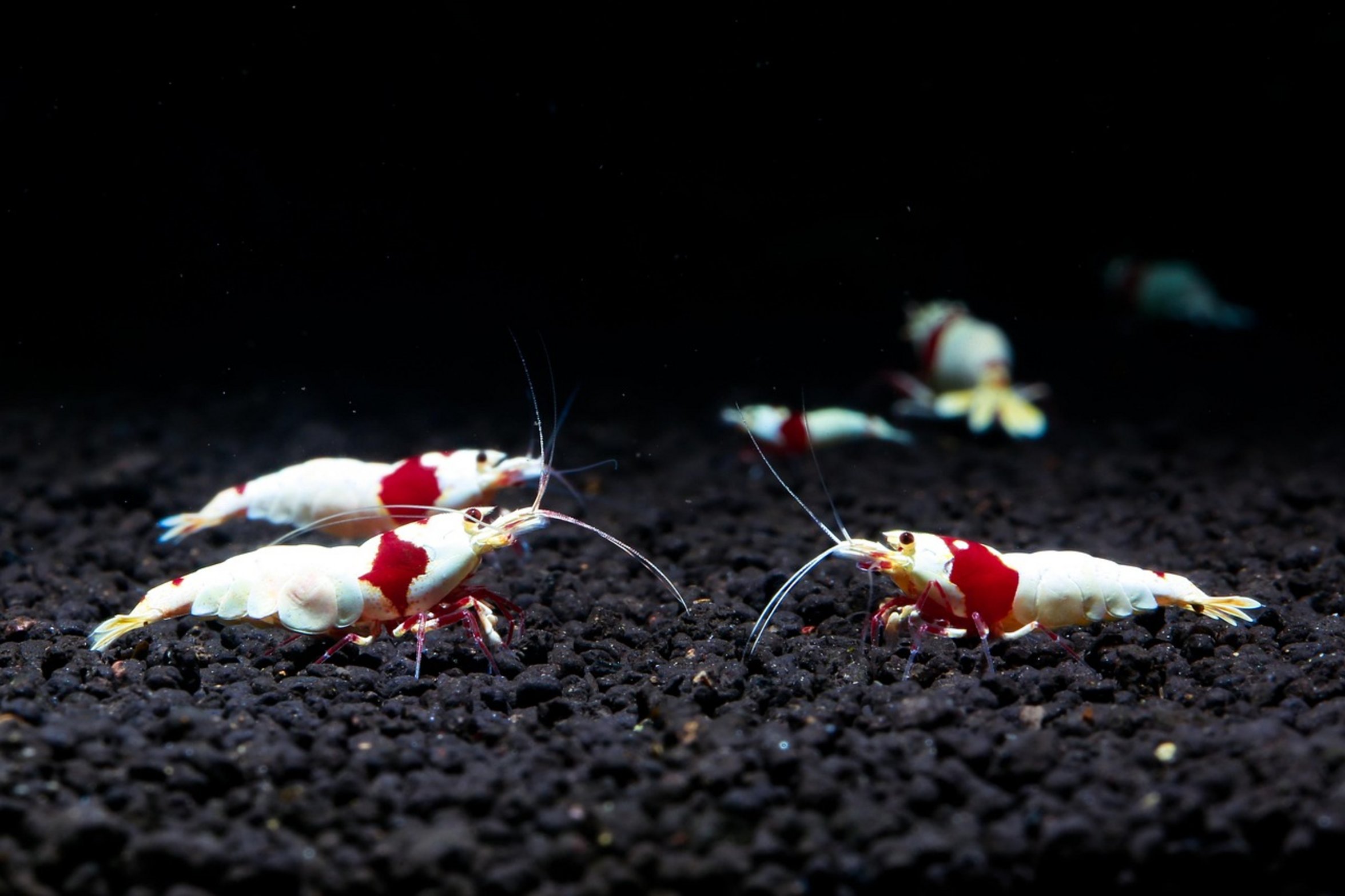
The first thing that kills a shrimp is temperature shock. Shrimps is cold-blooded. That’s why their body temperature are equal to the water they live in.
Two or three degree change can put them into a state of metabolic distress. Their metabolism slow down if your new water is cooler than tank water and their metabolism will spike if it is hotter. In either case, this stress the immune system.
This happens because most people fail to let the new water sit. They take a bucket from faucet and just dump it in. Depending on your plumbing and the time of year, tap water can be warm or cold.
Solution? Easy. Take the bucket you want to use and leave it in the room with the tank for an hour or two prior to pouring it into the tank.
That way, there’s no thermal shock. Cost = free (other than some time).
Avoiding Dangerous pH Swings
PH swings are the silent assassin.
Stable water can be called bad water by most standards but it’s fine for shrimp. Change is not. So let’s say your tap water is 7.8 but your tank maintain a pH of 7.0.
Mixing the two will cause a gradual drop. You may think this isn’t much. To a shrimp, it’s a chemical storm.
Higher pH means less toxic ammonia from waste and decay Adding softer tap water that lowers the pH can increase the toxicity of any existing ammonia. It is counter-intuitive. Adding softer water makes the remaining water cleaner.
You think. It also make any existing ammonia more deadly. So not only do you have some ammonia but now it’s more deadly.
Here stability beat perfection.
Maintaining Consistent Water Hardness
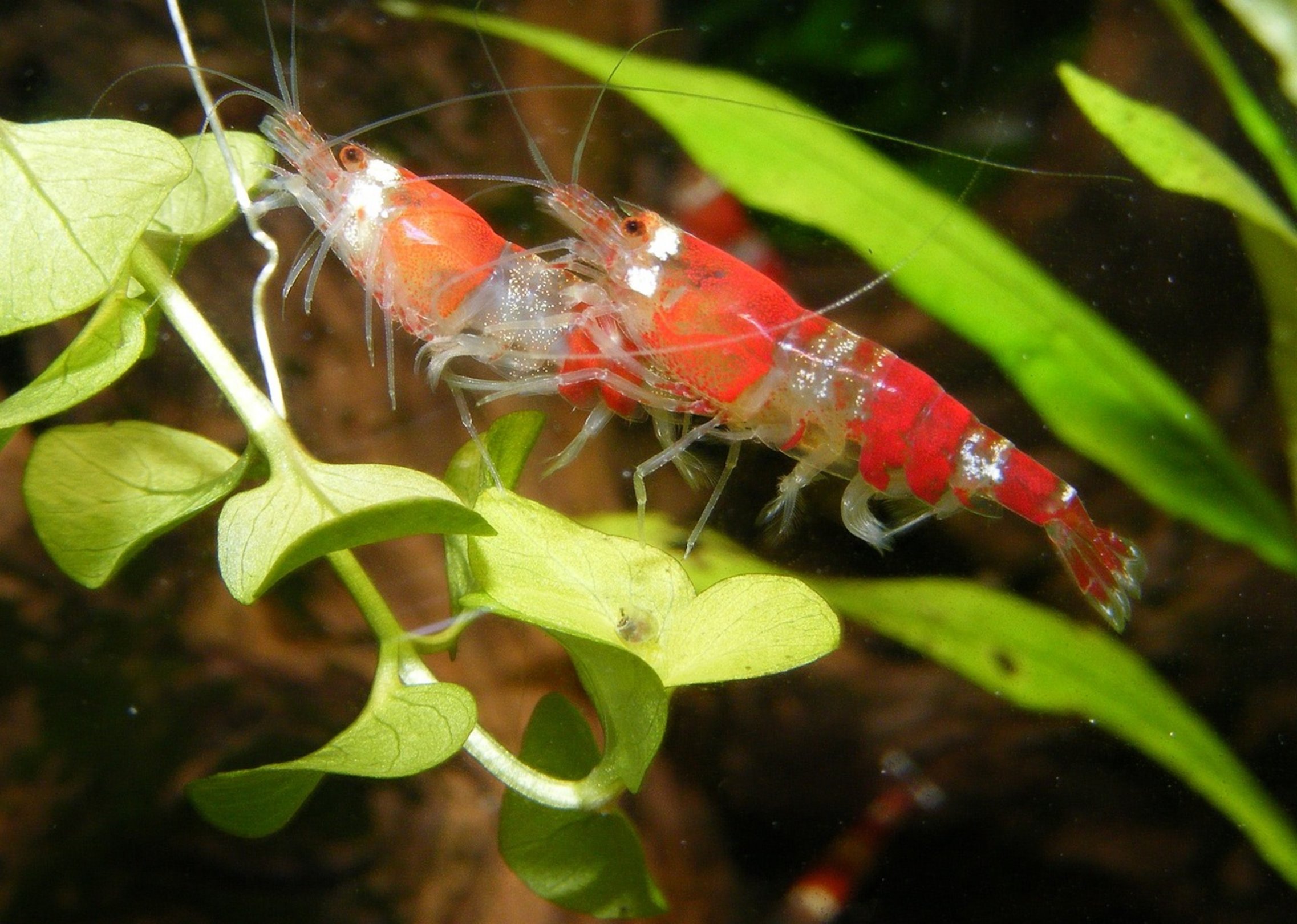
Carbonate Hardness and General Hardness are frequently ignored. A lot of shrimps needs the minerals to remain constant in order for them to molt and maintain their exoskeletons (Caridina & Neocaridina sp., for example).
If your tap water is soft (rain fed reservoir), that’s fine. If your well water is rock hard, that’s fine too. It doesn’t mean one or the other are bad.
But a rapid change from one to the other is. Over time, if you have minerals in your tank, then when you do a big water change using soft tap water, it will dilute that down quickly. Now the shrimp no longer has the mineral balance it need for its physiology.
You’ll see slow growth, failed molts, etc. It’s not negotiable for shrimp keeping, you want to match the KH and GH of your new water to your old water.
Removing Chemical Residues Safely
Frequent small changes is better than infrequent big changes. Another danger is chemical residue in the new water.
Although you’re using a good dechlorinator, there will still be some breakdown of byproducts. For example, chlorine break down to ammonia and chloride. And some dechlorinators removes only the chlorine while leaving the ammonia intact.
You’ve just added ammonia straight into the tank if your water conditioner doesn’t treat for chloramines. Some municipal water supplies or old pipes contains trace amounts of copper and heavy metals. Even trace amounts can be a problem for shrimp but not for fish.
Shrimp will take up heavy metals from the water through their body and gills. Never purchase any conditioner without reading the ingredients. If it says nothing about breaking down chloramines and removing heavy metals, then don’t buy it.
You may save $5 on a bottle of conditioner, but it could of end up costing you your colony.
Restoring Dissolved Oxygen Levels
When you do your water changes, there is lower oxygen in that water and for some time afterwards. Gentle movement are good but not so much as to reduce the level of dissolved oxygen in the water.
Shrimp has a high metabolism for their body size. The low oxygen stresses them out. Stressed out makes them weaker at fighting off parasites and bacteria.
Return to normal water movement speed after a water change. A filter return stream/powerhead will help re-oxygenate the tank faster. Consistency and caution are the keys to success.
Water Change Success Tips
Try to match the hardness, pH and temperature as closely as possible. Use a high-quality conditioner that covers all your chemical bases. Changing the water often (but with less volume) helps reduce the shock factor.
It’s a stable environment, one that your shrimps will thrive in. You’ll be able to sit back and watch them do their little dance of joy.
