
Fill a clean pond, come back in a couple days, and you might see green water. Green water reduce the amount of oxygen in the water and keeps light from reaching underwater plant. Left unaddressed, it can be harmful or fatal for your fish.
And most pond owner believe there’s something wrong with them. Truth is green water isn’t usualy a red flag; it’s usually a signal of life exploding out of control. Purchasing a chemical treatment can clear your water in hours, but it’s only temporary fix.
How To Fix Green Pond Water Naturally
Understanding Pond Ecosystem Balance
In fact, all this does is kill everything in the water. You also need to realize what type of an ecosystem you created. Just as a small lake are a living ecosystem, so is your pond.
Your pond want to produce. And when it produces too much, it tips scale into producing algae. Now your goal is to return the scale back to where the plants and bacteria is able to process the nutrients before the algae.
This is how you maintain clarity of the water without constantly fighting a losing battle each week. Green water is generaly a sign of an increase in algae. And algae love still water.
Nutrients. Light. If you have all three, you have an algae buffet.
Generally speaking, nutrients originate from uneaten food, decaying leaves, or fish waste. When the algae gets this kind of fuel, it exponentially increases its population. That’s why just skimming off the top won’t cut it.
You’re taking away the symptom (the obvious stuff) but leaving engine that powers it completely fueled underneath. The other key factor that everyone forgets is light. To grow, algae uses light (photosynthesis) for food.
Blocking Sunlight With Floating Plants
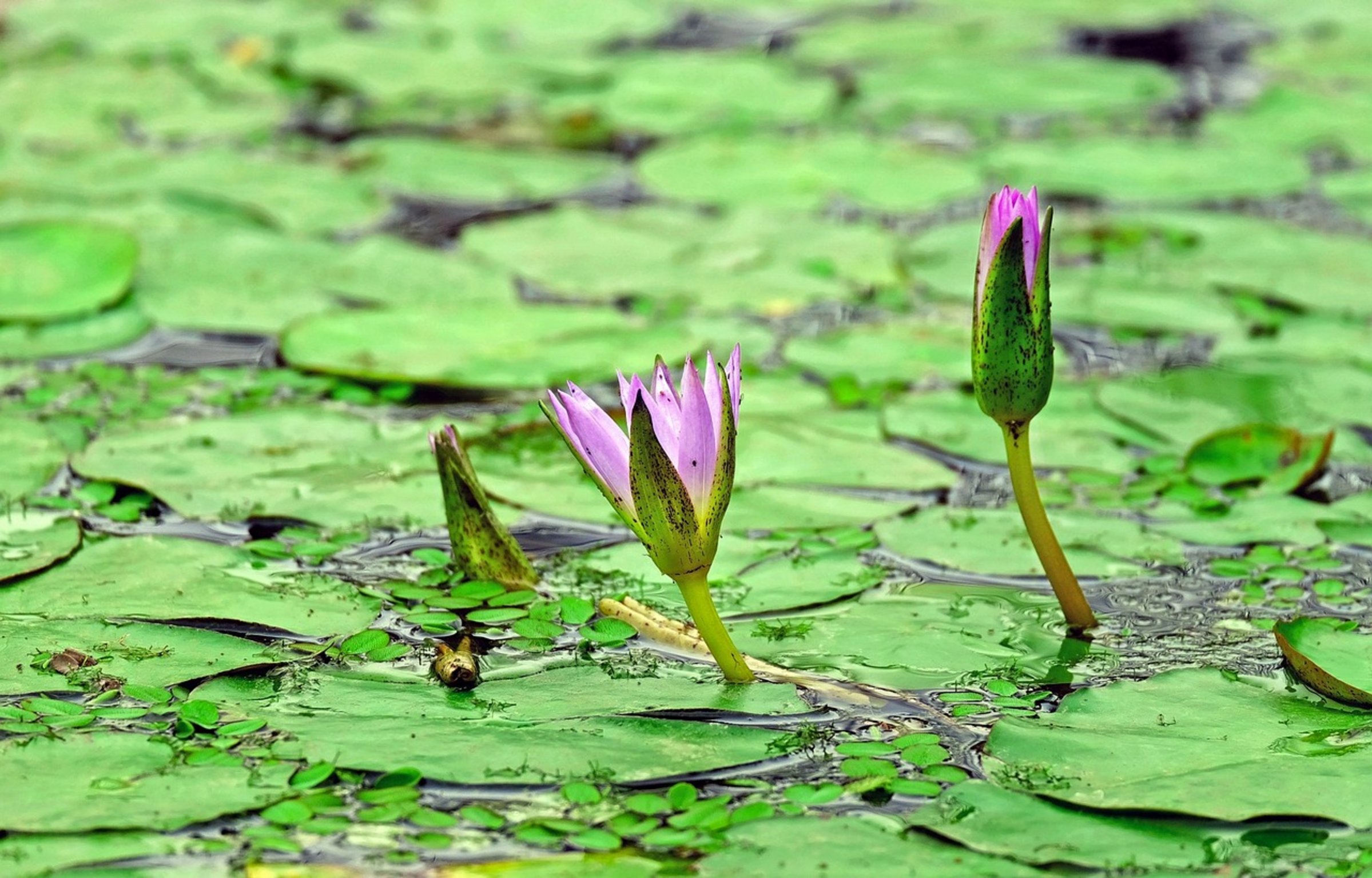
So if your pond have no shade and is totally exposed to full sun, you just gave the algae a free pass. Floating plant such as giant duckweed and water lilies will block up to forty percent of sunlight from reaching into the water column. It is a simple physical barrier that deprives the algae of its energy source, starving it so it cannot reproduce.
It is basic physics applied to biology. It is not magic. You’re simply making shade for the algae to not be able to compete.
Managing Nutrients And Fish Feeding
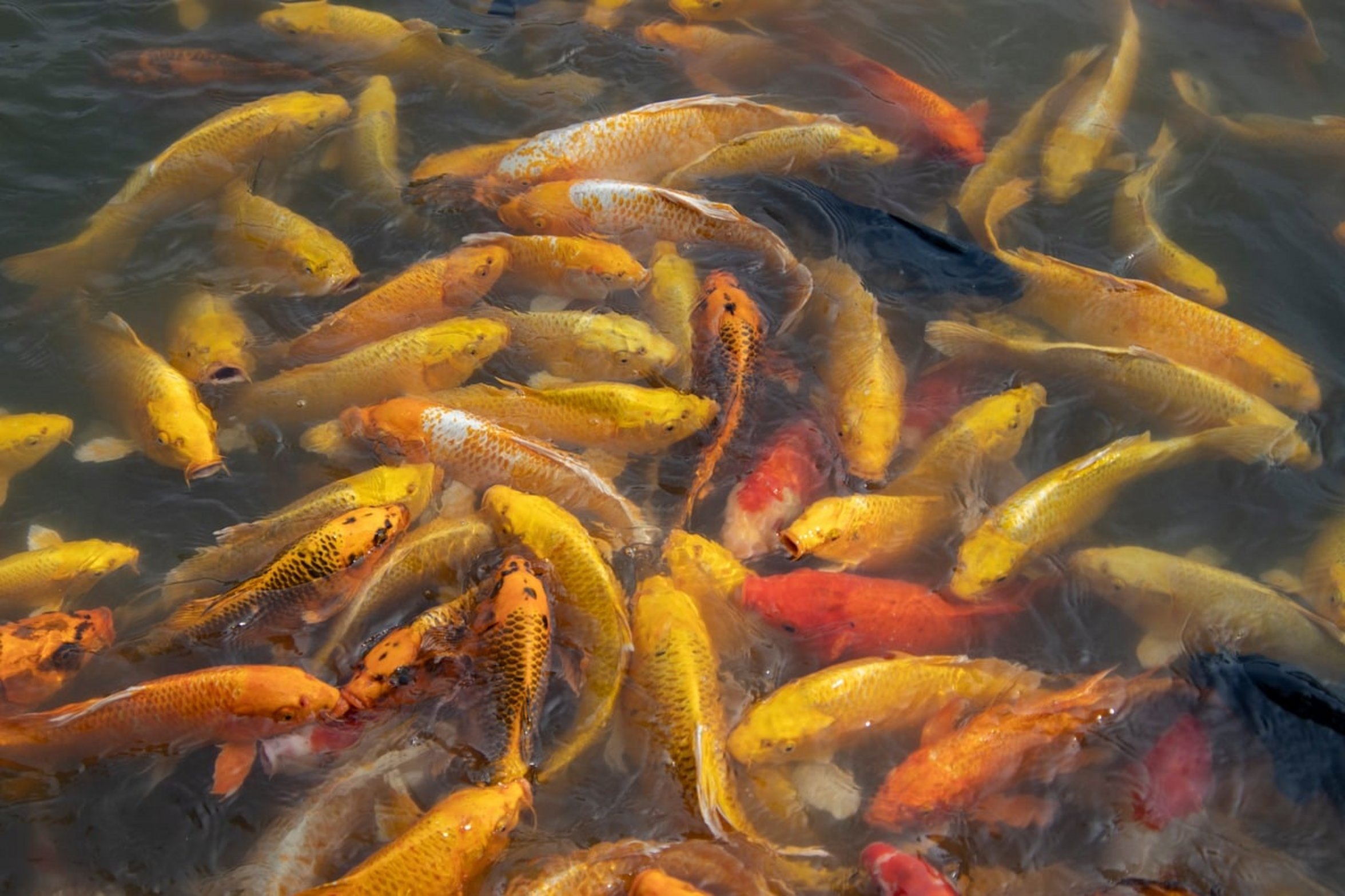
Where the rubber meets the road are nutrient management. There’s no getting around the fact that some nutrients will need to be provided; just not all of them, and certainly not in quantities that feed the algae. One of the most common mistakes people make is overfeeding their fish.
This result in excess food falling to the bottom and rotting, which release nitrates and phosphates (the major fertilizers) straight back into the water. Feed your fish a high quality, sinking pellet made by a reputable company such as Oregon Trail Foods or Hikari. Make sure the food get eaten instead of left to rot.
A little less food go a long way to keeping your water clean. The other thing that disturbs environment that algae thrives in is water movement. When there’s no water movement, those algae cells simply float around free and use every bit of available sunlight.
Increasing Water Movement And Oxygen

If you have some type of waterfall or fountain, this provides surface agitation. It looks pretty, but it also help with oxygen exchange at the surface (good for your fish) and keeps algae from matting up on the surface. Having an appropriately sized pump for your pond size is crucial.
You want something powerful enough to turn over all the pond water in a couple of hours, but not so powerful that it turns it over too much. The latter will be nothing more than a piece of decoration making noise. Clear water relies on an unsung hero: biological filtration.
Maintaining Biological Filtration
This doesn’t include mechanical filters that trap debris; rather it refers to beneficial bacteria that live in biological filter. They consume the harmful ammonia and nitrates generated by fish waste. Those chemicals accumulate otherwise and fuel the algal growth.
Make sure your filter contains plenty of media for the bacteria to colonize. Bio-balls (Oase, Fluval, etc.) and ceramic rings gives the required surface area. Cleaning your filter too vigorously will remove the bacteria.
To maintain the bacterial colony, rinse the media with old pond water. Not tap water! There are also chemical solutions, which are a double edged sword themselves.
Why Chemical Treatments Fail
They will clear up your water in a matter of hours, but they usually kill the good stuff too. This includes any beneficial bacteria, which leads to another bloom when it dies off. Again, you create a vacuum where something else blooms even more aggressively after the chemical dissipates.
Chemicals only work in an emergency situation and never as a maintenance approach. Always think of the long term by balancing filtration, nutrients, and light. Making green water go away takes balance and subtraction.
Move the water, block out the light, remove the excess nutrients. Take some time. Don’t expect overnight clearing of the water.
If you attack the root causes instead of just the symptoms, you can stabilize your pond. Stop fighting the algae and work with the ecosystem. The end result is healthy water that stays clear, not because it was chemically forced to be so.
