
Despite what you might have heard, goldfish is not necessarily the ideal first pet for kids. They’re colorful, cheapish, don’t need to be walked, right? That makes sense in theory.
Why wouldn’t people think so? That misconception has led many people to buy small bowls with goldfish and perpetuate a cruel cycle of neglect: frustrated owners and miserable pets. It gives goldfish a bad name…
When in fact this species are quite fascinating. But goldfish aren’t low maintenance. Well, they’re high maintenance in a way that a casual observer wouldn’t notice.
Why Goldfish Need More Water Than You Think
The Goldfish Misconception
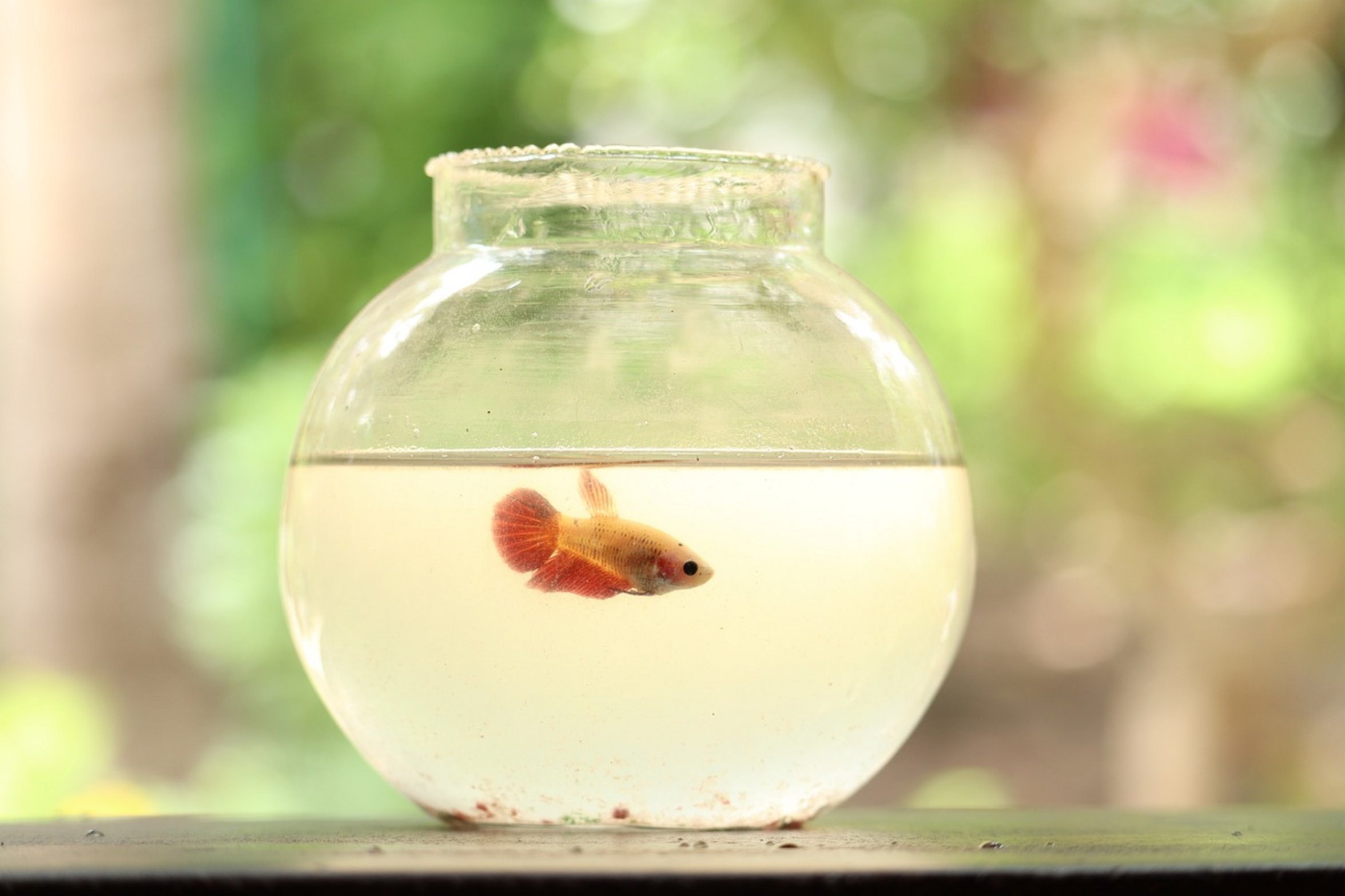
It doesn’t take an hour to scrub out a bowl, but you do need to understand water chemistry. Water volume is what keeps your goldfish alive. Most folks vastly underestimate how much room these fish really need.
Understanding Goldfish Waste and Metabolism
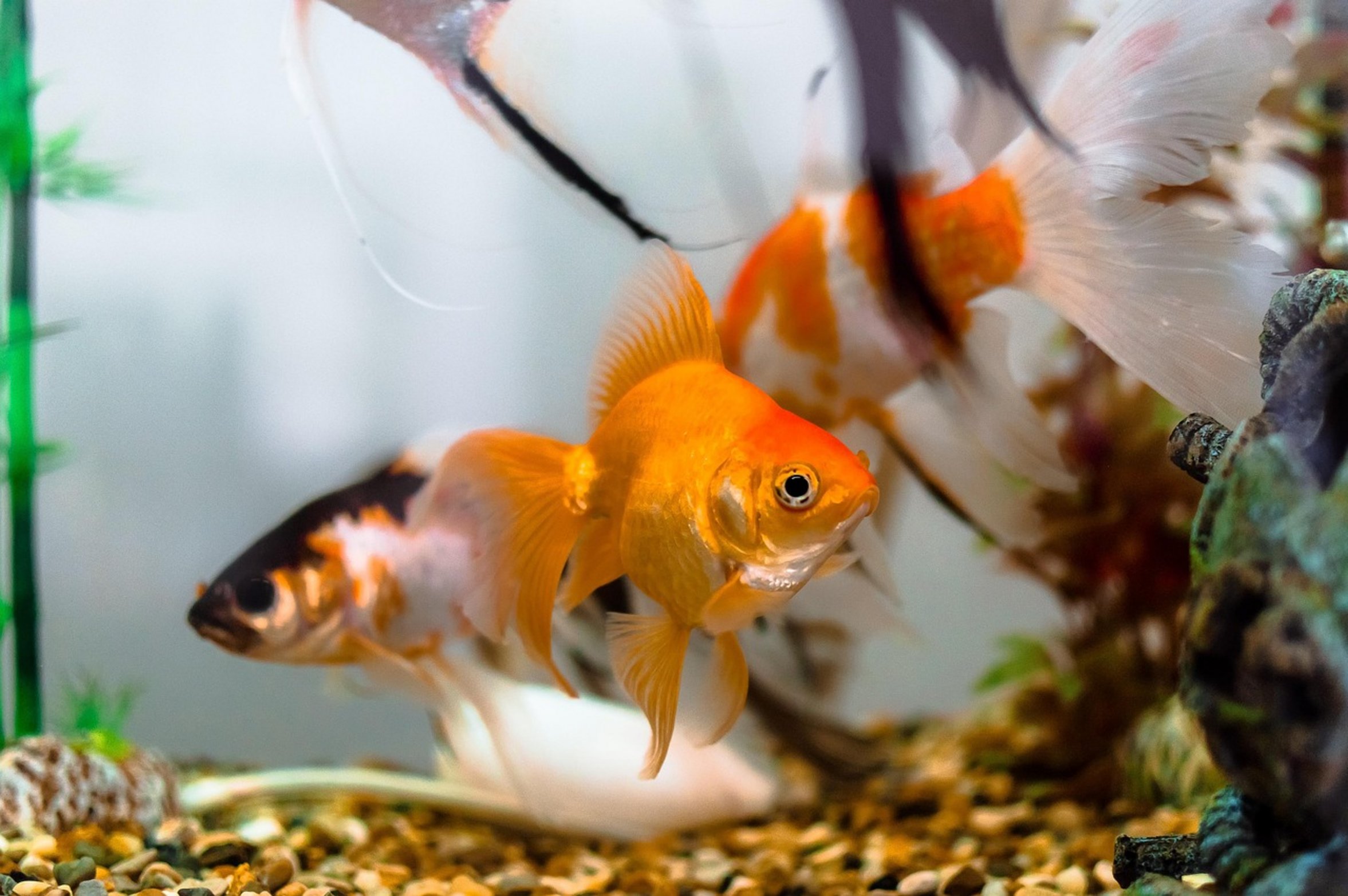
The reason for this misunderstanding are simple: there’s a lack of understanding regarding a goldfish’s body metabolism and the way it handles waste. Unlike tropical fish, which may survive quite well in smaller, heated tanks, goldfish is cold water creatures whose metabolisms creates special needs. Put simply, goldfish create a lot of biological waste compared to their own size.
And they need that biological waste treated or at least diluted. To do so takes volume; otherwise, the water will become deadly very fast. A goldfish’s biological engine are quite sturdy.
It eats 24/7 and is an omnivore. It also leaves behind piles of ammonia rich poop. That ammonia accumulates to lethal levels within hours in such a confined space as a bowl.
Why Tank Volume Matters More Than Filters
Volume gives you some buffer. That buffer lets you grow your own good bacteria which will settle on the surface area and help break down those toxic substances. The volume also buffers other aspects off the environment like pH and temperature.
Not clean but stable is what makes fish happy and healthy. Many people gets caught in the trap of adding more filtration rather than increasing water volume. Yes, a filter will help to keep your bowl clean for a day.
But it won’t establish an ecosystem. A filter cleans the water by passing it over some kind of media that contains colonies of bacteria. However, if your tank size isn’t sufficient, the bacterial colony can’t grow large enough to support itself when waste levels suddenly spike.
The result is that the system keep crashing. Instead, you’re stuck doing huge water changes on a regular basis, stressful for the fish and inconvenient for you. The old “one-inch-per-gallon” rule of thumb is out of date and hazardous.
Debunking the One-Inch-Per-Gallon Rule
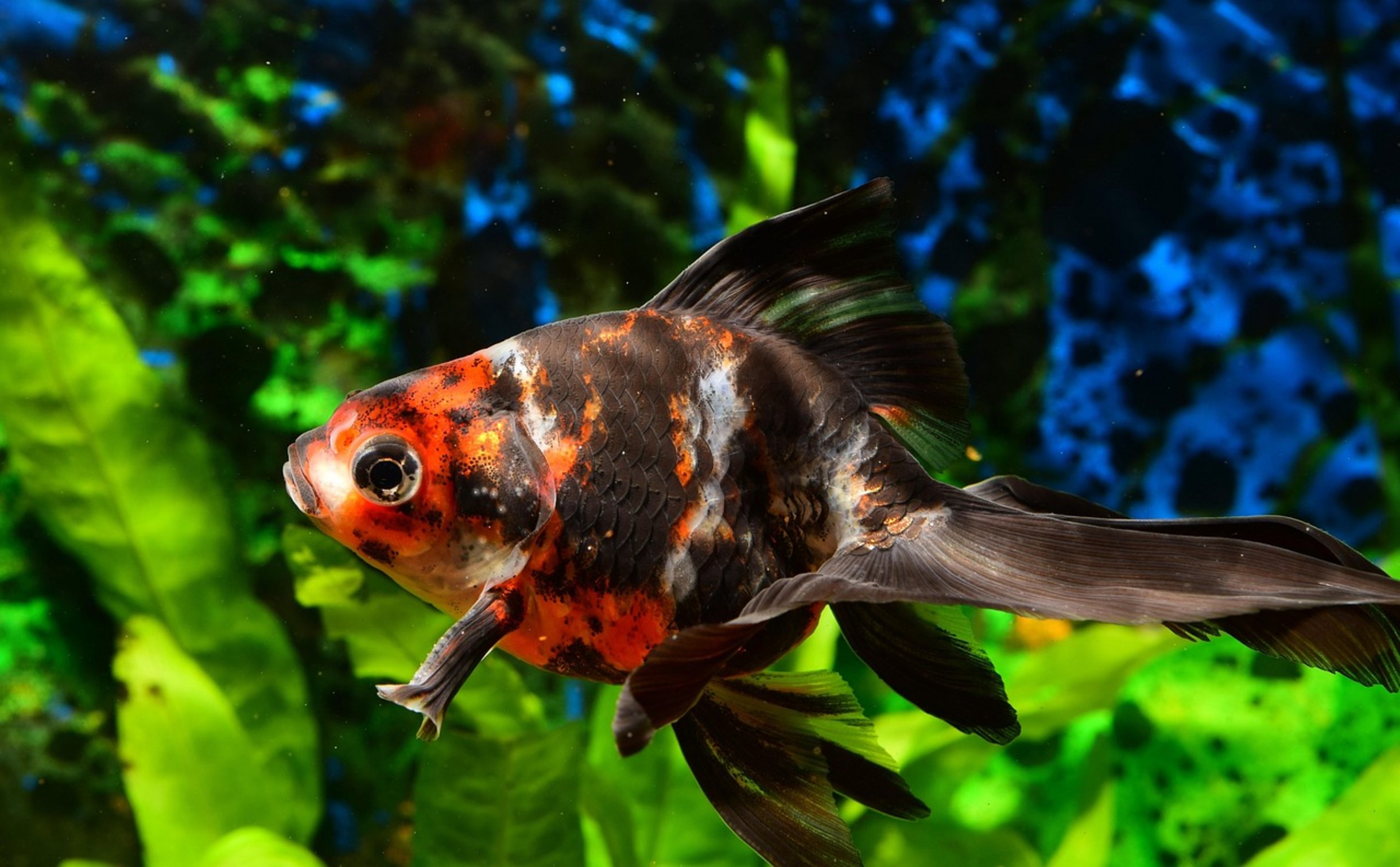
That guideline was established for smaller, narrow-bodied tropicals. It fails to consider either the size of your fish (a goldfish is no skinny-minny!) or how much waste it will produce. For example, at a bare minimum, each common goldfish require 20 gallons of water.
Shorter bodied fancy goldfish are an entirely different story and require additional space because they also do not swim as well or process their waste in the same way. This isn’t a recommendation for a goldfish’s healthiest habitat. Rather, this is merely the minimum required to keep your fish alive.
Health Benefits of Adequate Space
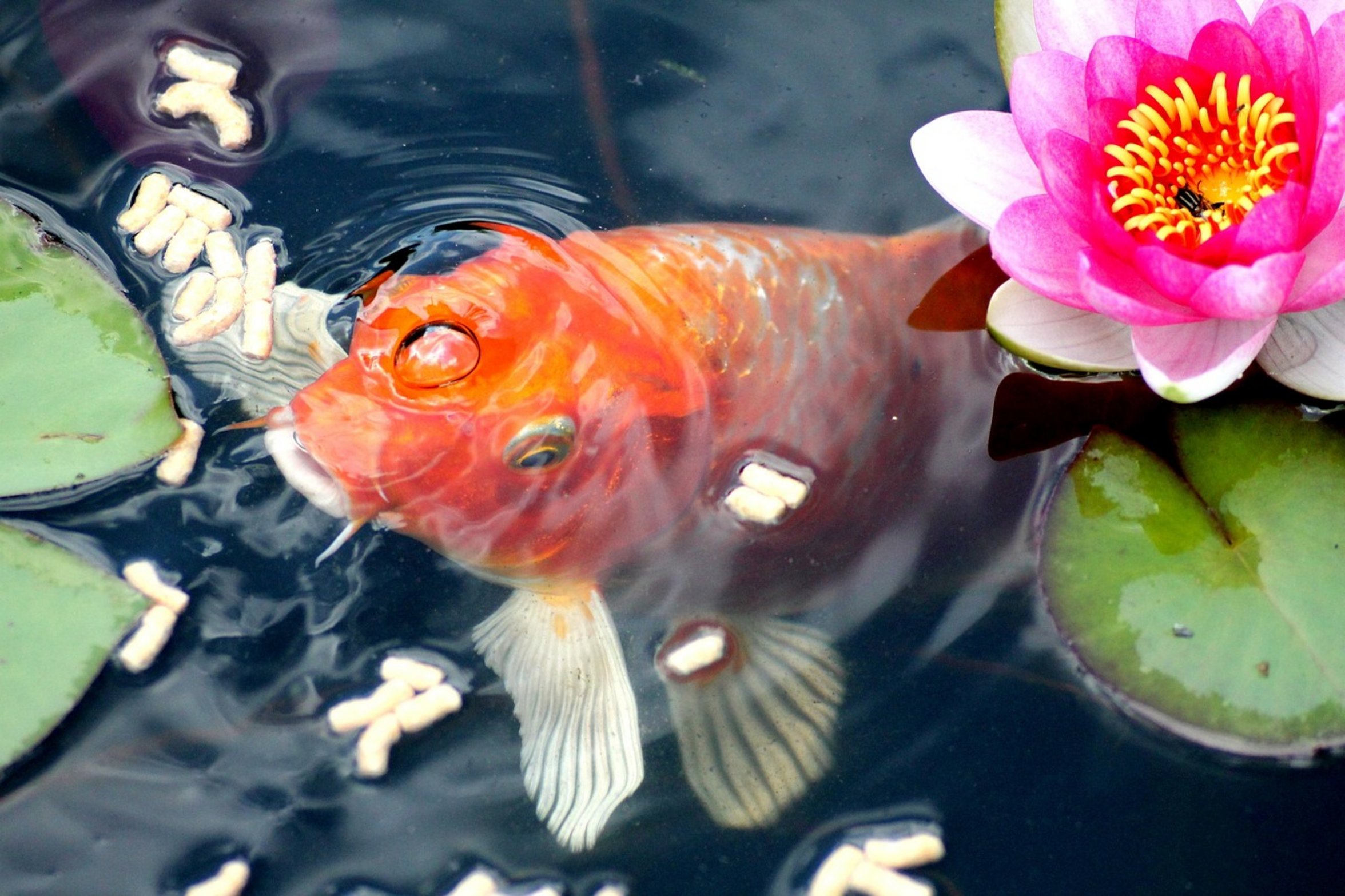
It also gives the fish room for their natural behavior. The more physical activity a goldfish engages in, the better his muscles will be. If he doesn’t have the space to move around, he will grow soft and susceptible to disease.
When a fish is stressed out due to poor water quality, its immune system weaken. Next thing you know, you see him floating on the surface struggling to breathe. Or there are white spots.
Bad luck? No. It’s a sign your environment is failing. The best way to avoid problems like this is through enough space for fish to swim.
Cost and Maintenance Benefits
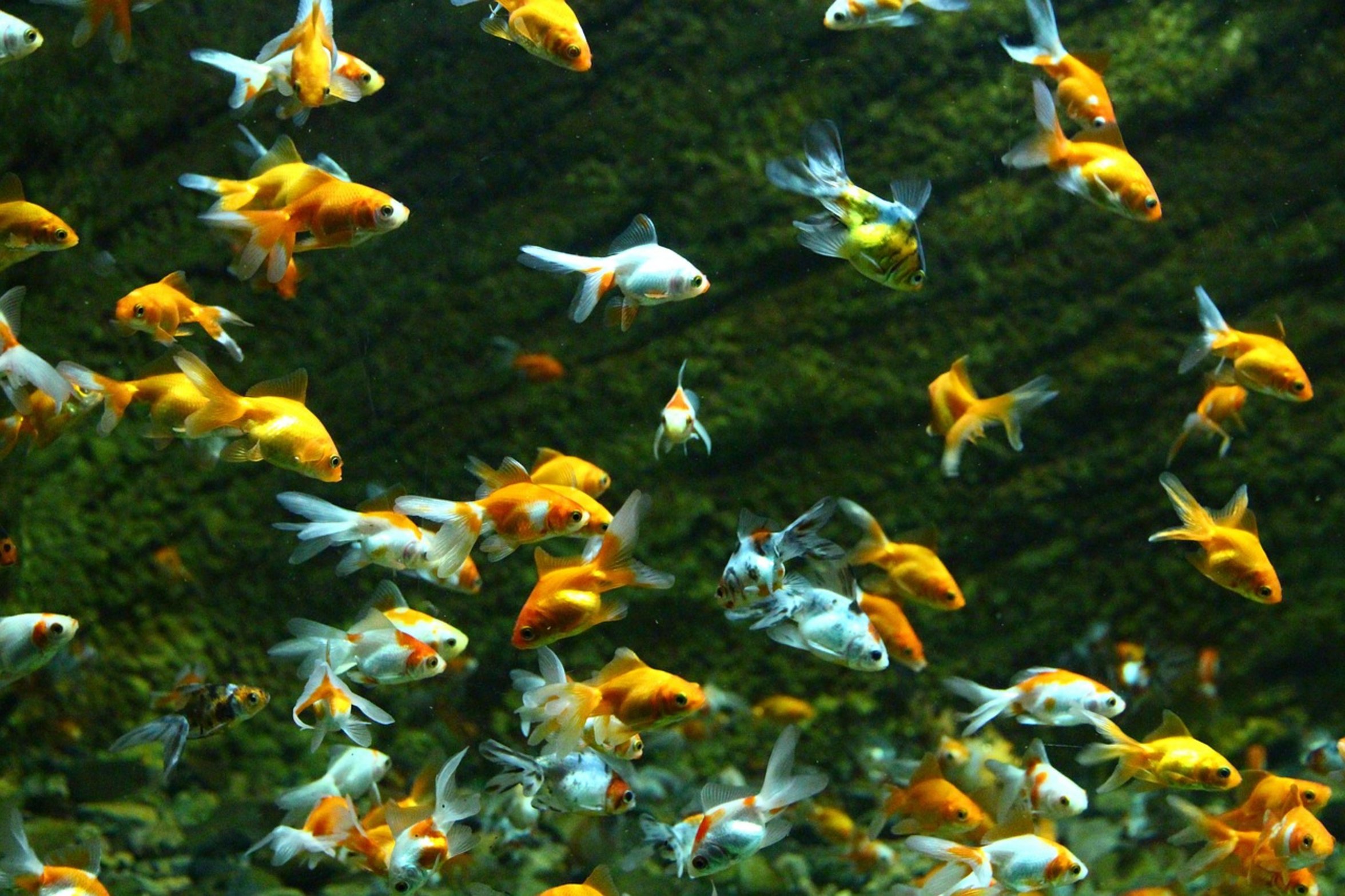
Or you may be concerned about the expense of setting up a big tank. Yes, it’s more costly at first. However, it ends up being less expensive than time.
Regular water changes and test kits becomes necessary with small tanks (those get expensive quickly). Large tanks self-stabilize. There will be minimal weekly upkeep.
Water stays great. You spend less time doing chores and less money on supplies. Less hassle and longer lasting fish mean an investment that pays off.
Tank Shape and Design Considerations
And some will tell you, “Oh, they don’t take up so much space, especially if it’s a dwarf.” That’s another potentially hazardous half-truth. All species. Even the smaller species such as orandas and/or ranchus.
Produce the same amount of waste on a pound for pound basis. The variance comes down to how well they swim, not how much waste they produce. Twenty gallons should be considered the minimum.
If you want two then add ten to fifteen more gallons. A pretty little fish doesn’t alter math. The overall volume is important but so too is shape of the tank.
Rectangular (or square) shapes has more surface area available for gas exchange. Round bowls might be cute but they lack good visibility and confine fish to small areas in which to swim. They’re bad for filter placement as well.
Use the typical rectangular aquarium. It’s not an object meant to sit on your desk, it’s meant to house aquatic animals. Design should match its use, especially where live creatures is concerned.
Creating a Sustainable Habitat
The transition from bowl to tank is the first step toward responsible ownership. From one perspective, it’s the move from “containment” to “habitat.” Your goldfish is no longer a prisoner of a decorative object. Now, it is a resident of a balanced environment.
And instead of needing to be scrubbed every day, the water stays clear because the system supports itself. That’s what separates raising a life from keeping a pet. Keeping goldfish doesn’t require you to be a chemist.
It simply requires that you understand the physics of their waste. Buy at least a twenty gallon tank if keeping one fish. Add more space for each additional companion.
Then keep the cycle going consistently and patiently. What you get are some vibrant, peaceful tanks that last for years. And that clarity is worth the extra square footage.
Your fish will thank you by being healthy and your house will look better because of it.
