
One of the longest-held aquarium myths is the idea of housing multiple female bettas. You watch videos of the school swimming peacefuly around each other. You think, “I’d love to have that in my house.” It sounds like a way to fix the myth that your fish has to be alone.
Who wouldn’t want all that color and action swirling about? For every success tale, though, there are dozens of failures resulting in missing pet or maimed fin. But why do these group fail?
Knowing why will help you either avoid them altogether or master them with realistic expectations. The root cause of most of your problems lies in a lack of understanding of bettas’ behavior. Bettas aren’t schooling fish (like rasboras or tetras).
Common Reasons Why Female Betta Sororities Fail
The Myth of the Betta Sorority
They’re labyrinth fish whose DNA has a pretty strong territorial streak. You can’t simply throw several together and hope for the best. By attempting to keep more than one, you’re forgetting biological drives that lead to aggression.
Natural Territorial Behavior
This isn’t due to personalities or sheer bad luck. It’s because you’re not taking into account what drive these animals when it comes to space and hierarchy in a confined environment. The number one key to having a successful sorority (or any community of animal) is space.
Hobbyists try to keep five or six female in a standard ten-gallon tank. That’s not gonna work. When tension flare, where do you think they go?
Nowhere! You require space. Specifically volume.
Tank Size and Space Requirements
If you can’t provide volume, then at least provide the needed horizontal space with a twenty-gallon long tank or greater. They’ll be able to establish territory and give each other some room. Otherwise, because they’re constantly together, their stress response kick in.
Their stress causes disease. Disease kills them. It’s a simple cascade that people miss until it’s too late.
Stress and Health Risks
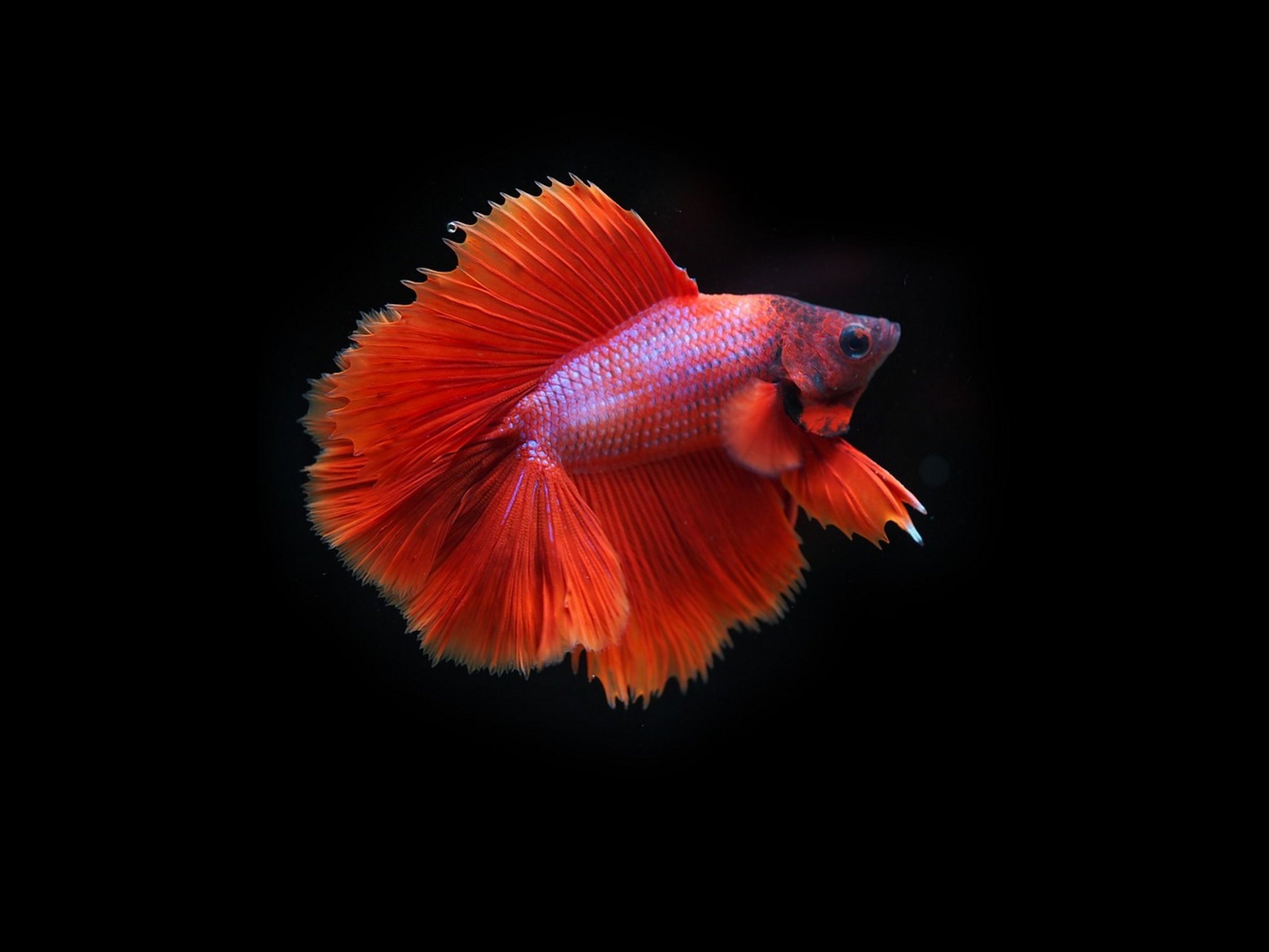
People get tripped up by the assumed gender. Male bettas has a reputation for being fighters, thus making females appear to be more gentler option. While they can be peaceful, it depends on situation.
Female bettas in nature tend to school loosely (though they won’t stand for close quarters with rivals). When you take out the males, what you don’t take out is the need to compete for space/resources. Still need to dominate?
Yep. They will still defend what they think is theirs. Yep.
Female Aggression and Hierarchy
It’s a very dangerous assumption to make, that females are somehow innately docile. This results in overstocked and unhappy tank. Surprisingly, breeding quality and genetics can also be a factor in compatible fish.
Many showy fish is not as tough as other breeds. They are bred specificly for fins and color. The more elaborate the fin (i.e., crowntail, veiltail) the less mobile they become and slower to evade aggression.
Choosing Hardy Fish Varieties
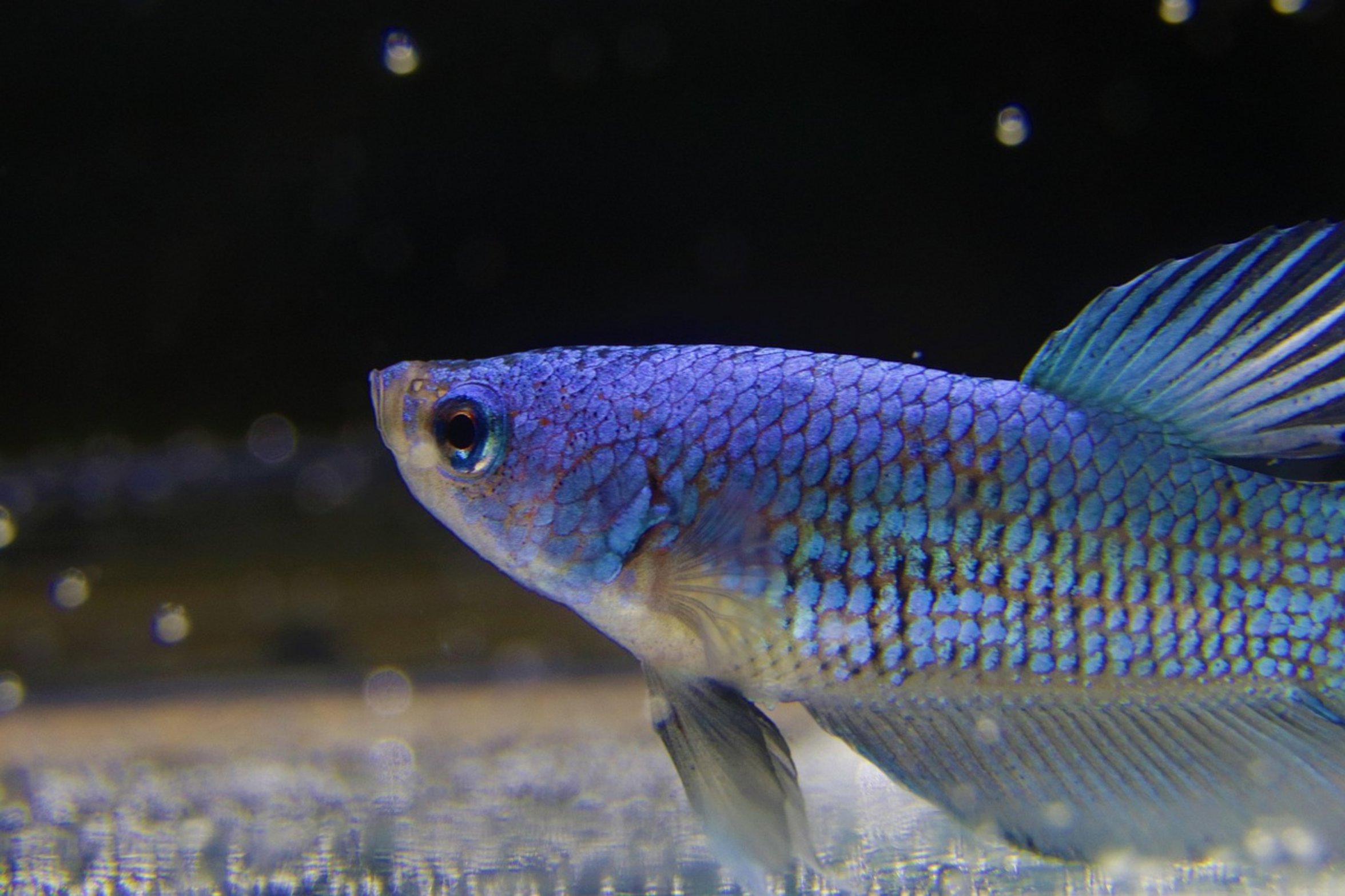
Wild type morphs or halfbacks swim faster, usually possess a stronger immunity, and therefore do better in groups. Harder fish increase your chances of success. So if you’re going to select fish strictly on looks, keep in mind that you sacrifice their ability to survive social stress.
It’s an aesthetic/survival tradeoff. Good water quality increases the conflict. Waste piles up fast in a community tank.
Spikes in ammonia and nitrite from waste production compromise each fish immune system. When one fish is compromised it’s an open invitation for another. If a fish doesn’t like its environment or feels poorly, it will become more aggressive.
Water Quality and Filtration
Make certain you keep your tank clean with regular water changes. Your filtration system need to be overpowered for your biological load. Water isn’t clear; it’s clean.
And clean water is social peace. There are no exceptions; new members go into quarantine. Never put a new female in with your other resident.
Do it one at a time. Allow the hierarchy to form and then add another variable. Go slow.
Quarantine and Introduction Process
The dominant females will have time to lay down the law, but the newcomer won’t be overwhelmed. You’ll also have an opportunity to see how the rest of the group respond. Maybe the aggression level is too great initially.
Then you can intervene. Too many times people don’t do this and new fish gets injured or bullied into submission within hours. Know that there will be some failures.
Even if you take the best care, you can still lose a fish. Dominance shifts. Dominant personalities comes and go.
Know what you would of do when one of your fish becomes a target. This isn’t a set-it-and-forget-it deal like a sorority is. That’s why it’s called a sorority, because it needs constant attention and intervention.
Commitment and Monitoring
If you’re not up for that kind of commitment, then leave them by themselves. An individual betta in a rich environment is happier than a handful in a hostile environment. Honor their nature, and they’ll repay you with beauty.
