
An axolotl look like a cartoon character. Its smile always seem to be saying “I’m having a good time” and its puffy, featherlike external gills make it look even more cuddly. That cuteness explains their recent explosion in popularity among pet owner who keep them as exotics.
However, behind that adorable face lurks the reptilian body of a creature with strict requirements. Warm water doesn’t sound bad since so many tropical fish species does well in warmer temperatures. This is not true for axolotls.
Getting it wrong on the temperature scale have serious consequences. Yes, these amphibians are sensitive to heat. By nature of their biology, they’re cold water fish.
Why Axolotls Need Cold Water To Survive
The Axolotl’s Cold Water Requirement
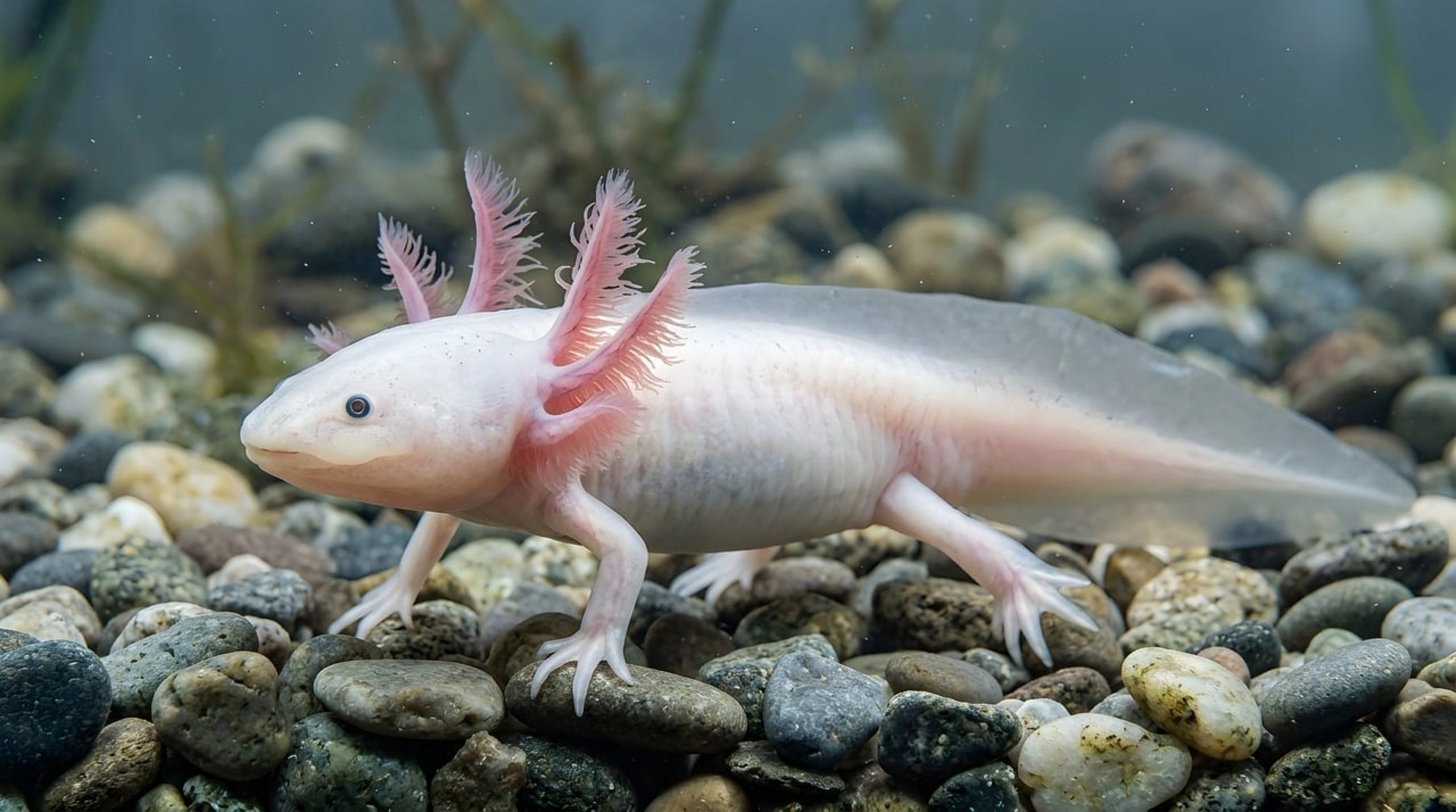
Disregard that fact and what you has is an animal in a state of stress, growing poorly or not at all, and frequently dying premature as a pet. They don’t need cool water because it’s comfortabley; they need it because it’s how they survive. The first hint comes from knowing they naturaly occur only in the complex lake system found in and around Mexico City, specifically Xochimilco.
Now, this isn’t a warm, tropical rain forest pond. It’s an area with cool year-round water temperatures. Rarely will you see more than sixty-five degree water there.
More often, it’ll be hovering right at fifty five to sixty degrees. They has evolved to work best in those conditions. This have everything to do with metabolism.
Metabolic Rate and Oxygen Needs
Axolotls, like all amphibians, rely on their surroundings for body heat. That means they depend on surrounding environment to control their metabolic rate. As such, if the water become too warm, their metabolism increases as well… dangerously so.
They use more oxygen than their lungs can delivers. It’s a bodily bottleneck. Even though they’re in water, they’re literally running out of air, which makes them stressed and lethargic.
People frequently ignore another important consideration: how much oxygen does the water hold? Cold water holds more dissolved oxygen then warm water. Warmer water hold less oxygen.
This means an axolotl in warm water face a double threat to its oxygen needs. Not only does its higher metabolism require more oxygen but the warmer water provide less and less of it. It’s a perfect storm for respiratory failure.
Keeping the water cool means you can ensure they has enough oxygen to sustain their unique breathing style.
Immune System and Feeding Behavior
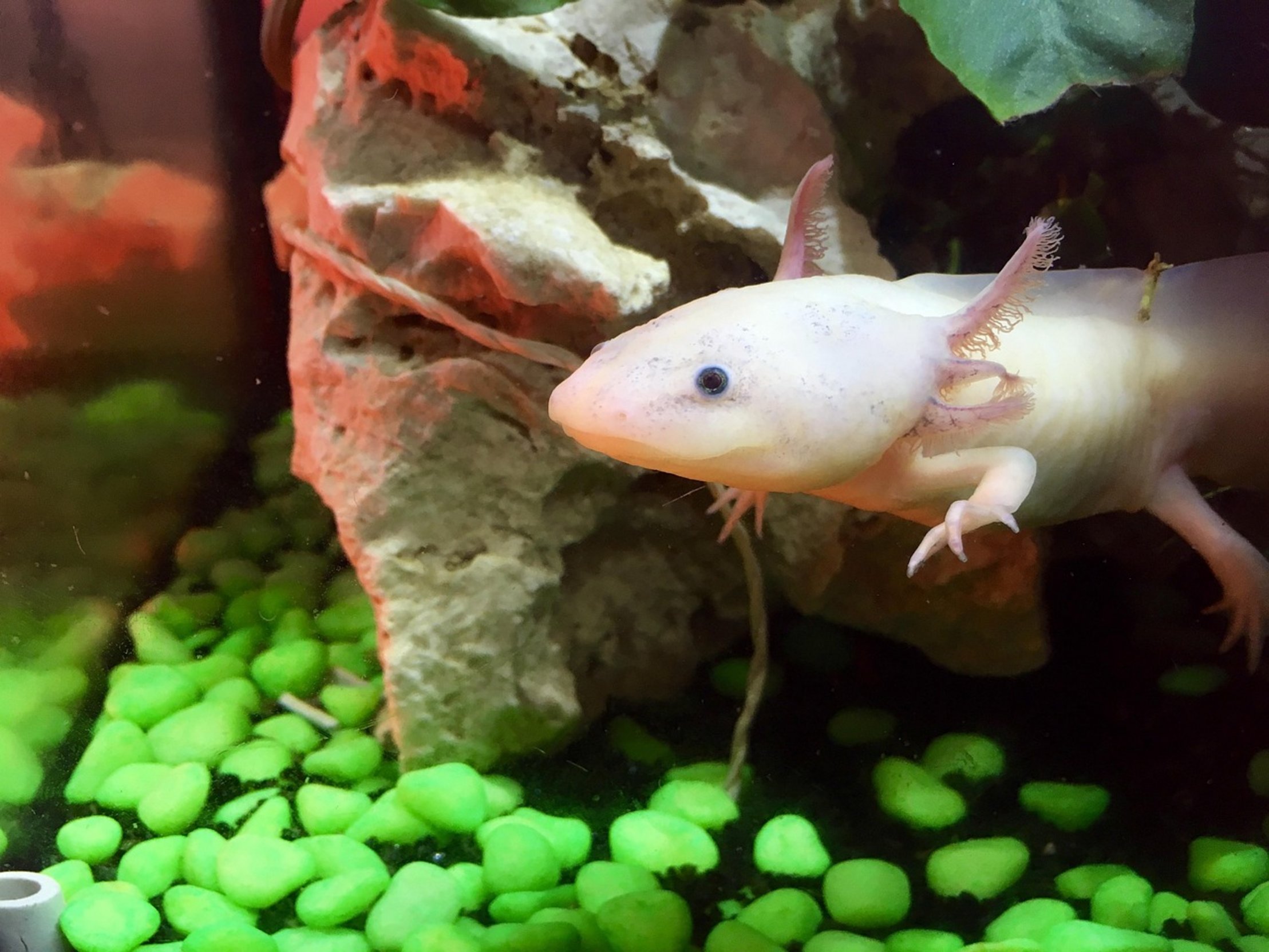
Similarly, their immune systems depends on temperature. In cold water, they maintain an effective yet balanced immune response.
In warmer water, their immune response will be suppressed, making them prone to bacterial and fungal infections. Those infections spreads rapidly in a compromised tank. If the water is too warm, even a simple skin lesion become fatal.
This cool temperature serve as a natural preservative against such germs and makes the animal resilient. Water temperature also affect feeding behavior. Metabolism increase in warm water, so you might notice your axolotl becoming more aggressive at meal time.
That sounds great, right? That is not really true. Usually this will result in overfeeding and dirty water.
When they eat fast, that waste poison the tank quicker than your filter can keep up. Cooler water slow their metabolism, which slows this process down. It promotes feeding at a more natural rate.
This keeps the water clean which is important since their skin rely on the environment to stay healthy.
Essential Cooling Equipment
You need a proper cooling system, as this is non-negotiable in most climates. A standard heater will not cut it for your axolotl if you livig in a warm house.
You must have either a dedicated refrigerator or some sort of chiller to hold the tank. It’s an investment but a necessity. Some owners attempt to use ice packs or fans but these results in unstable temperature swings.
Not only does stability matter but so does the temperature. Shock could of occur from sudden spikes and drops. So, what does this mean?
Creating the Ideal Habitat
Mimic Xochimilco as much as possible. That means being cool but never too hot. That means using equipment that prioritizes cooling over heating.
It means knowing how to monitor and adjust accordingly. When you get it, the set up starts to make sense. You’re not simply keeping a pet alive.
You’re preserving an entire species that developed to live in very specific niche. If you respect their cold water requirement you’ll be able to keep that smile genuine for years to come.
