
Water conditioner marketers is aggressively promoting their products, and all the pet store tell you one thing, always treat your tap water for every drop that goes into your fish tank. They promise to take out heavy metals, neutralize the chlorine and chloramine, and make your water safe. It sounds like insurance, “I won’t let anything happen to my fish.” And it IS insurance.
But why would you need insurance unless something bad can actualy happen? The burning question then arises for the newbie (and veteran) hobbyist alike. Should I use bottled conditioner for each water change?
Deciding If Your Fish Tank Needs Water Treatment
Why Tap Water Needs Treatment
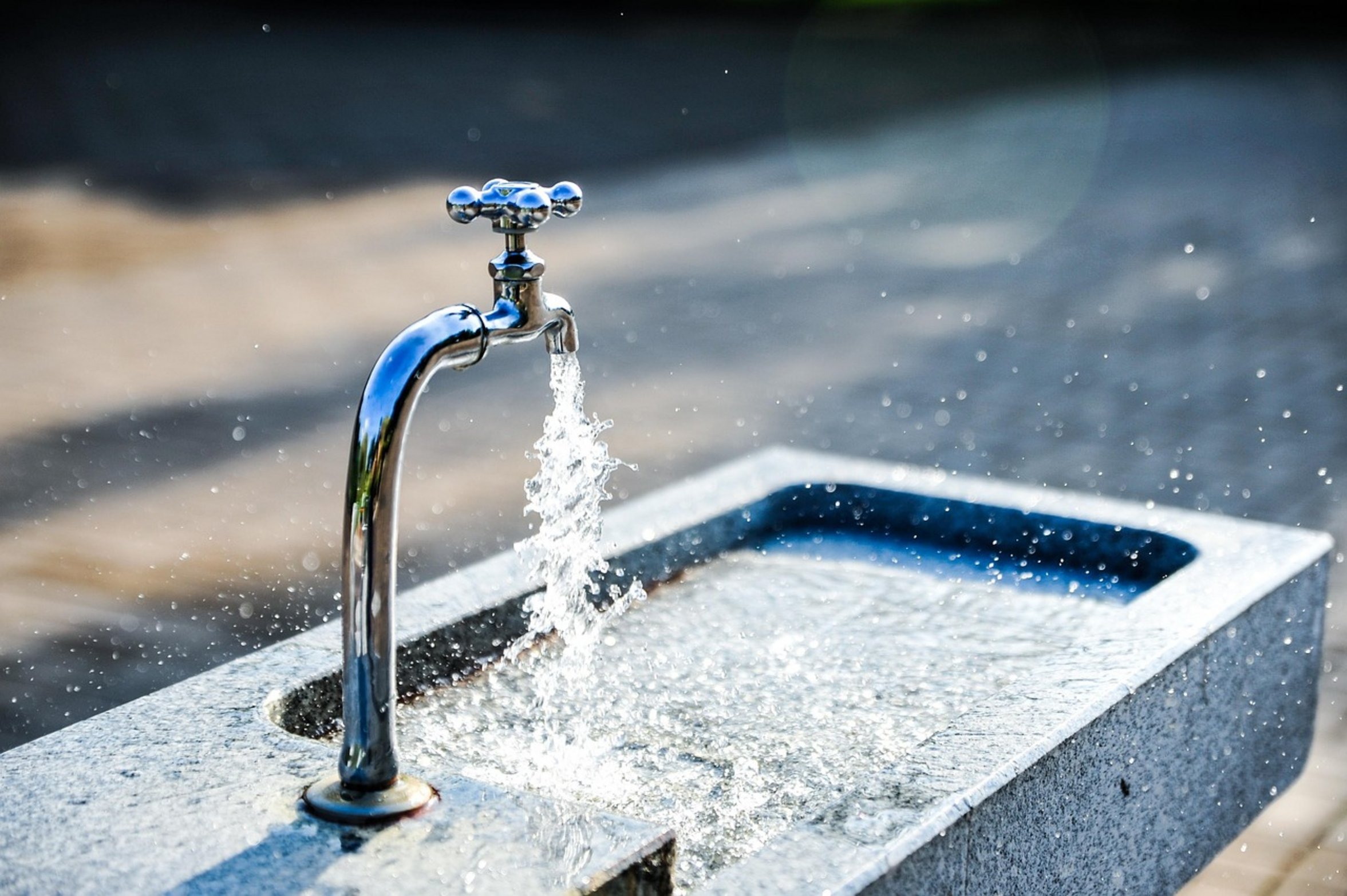
The answer lie in the label of the conditioner you are using and what’s in your water. Knowing what’s in your tap water trumps knowing how much to dose. Chlorine is the “old standard” that municipal supplier still use.
Chlorine Versus Chloramine Removal
It’s cheap and kills thing effectively, but it’s also a gas. It will dissapears quickly if allowed to sit in an open bucket for a day or two. So maybe you can just air it out.
Maybe. Chloramine is the “new standard,” and it is a compound of chlorine and ammonia which mean it won’t evaporate. It need a chemical reaction to be broken down.
Benefits of Using Water Conditioner
If your system use chloramine, you don’t have the option to just air it out. While most new conditioners are made for both, there are some out there that reduces the chloramine to safe nitrogen (e.g., Seachem Prime or API Tap Water Conditioner). What they do is also remove other harmful impurities such as heavy metal ions that can leak from aging plumbing (e.g., lead or copper).
There’s no question that this is useful since most water source have unseen contaminants, even if it looks clear. Your conditioner serve as protection. It keeps trace element from harming the good bacteria in your filter and your fish’s slime coat.
Why Humans and Fish React Differently

Some keepers think that they can skip treatment and save money. They also figure that since they drink it every day, it must be okay. That doesn’t hold up for several reasons: People are not fish.
We’re more resistant to changes in water chemistry then they are. While we have a liver to filter out toxins, fish absorbs everything straight into the blood stream through their gills. What’s harmless to us may kill your shrimp or betta.
Using Conditioner With RO Or Distilled Water
It’s a biological thing. When you treat the water, you know that it is safe for people by meeting municipal human safety standards and safe for fish so they won’t die. But what if your water is pristine?
What if it’s distilled water, reverse osmosis water, or clean rain water? In this case, there isn’t any chlorine present to threaten your fish. Those waters also lack the heavy metals and disinfectants that conditioners are meant to fix.
Therefore, using a regular dechlorinator is unnecessary. In fact, you may just be introducing more organic compounds to the water. Generally speaking, you’ll typically want something like a remineralizer to replace lost minerals like calcium and magnesium.
Your fish needs these to regulate their body fluids (osmoregulation). Unless you operate a giant public aquarium, you don’t need a jug of any kind containing the stuff. Bottles will suffice for all those small home tank.
Importance of Consistent Dosing
Regardless, just remember. Never miss A DOSE. Treat every change, build their trust in you through consistency, and they’ll stay stable.
Missing one dose or adding a new variable can potentially cause stress or illness. Overestimate the necessity rather then risk it. Your fish are worth more than that.
Summary Of Water Treatment Needs
The short answer is yes if your water comes from the tap and no if it does not. If you’re using bottled water, it’s likely filtered. If you aren’t buying distilled or reverse osmosis water, it won’t be either of those.
In most cases, your tap water do require some sort of chemical treatment. So the bottle sitting on your shelf isn’t a placebo; it’s necessary. Know what’s coming out of your faucet (check your water report) and then determine whether you want to take it out.
It’ll do wonders for your fish. You should of checked the label first, it is moddern science. This will make livig more comfortabley.
Its a luxurius feeling when water is clean.
