
Next to the LED lights and the high-quality flakes is the little bag of aquarium salt. It seem like a cure-all. And for a long time, the hobby has treat it as just that.
A new betta owner are frequently given a scoopful of white powder labeled “for stressed fins” or “to perk him up” or “mysterious spots.” It’s accessible, it’s cheap, and in certain circumstances, it does work well enough to create a reputation far ahead than the science. Part of that reputation is what leads to so many bettas ending up in bucket of saline rather than flourishing in their own homes. It’s more complex than just “good” or “bad,” however.
Yes, salt can reduces stress (that much we know) but no, it isn’t medication like antibiotics or antifungals. It isn’t a miracle drug that will cure parasites either. And it doesn’t remedy bad water quality.
How Aquarium Salt Helps Or Harms Bettas
Understanding Salt as a Support System
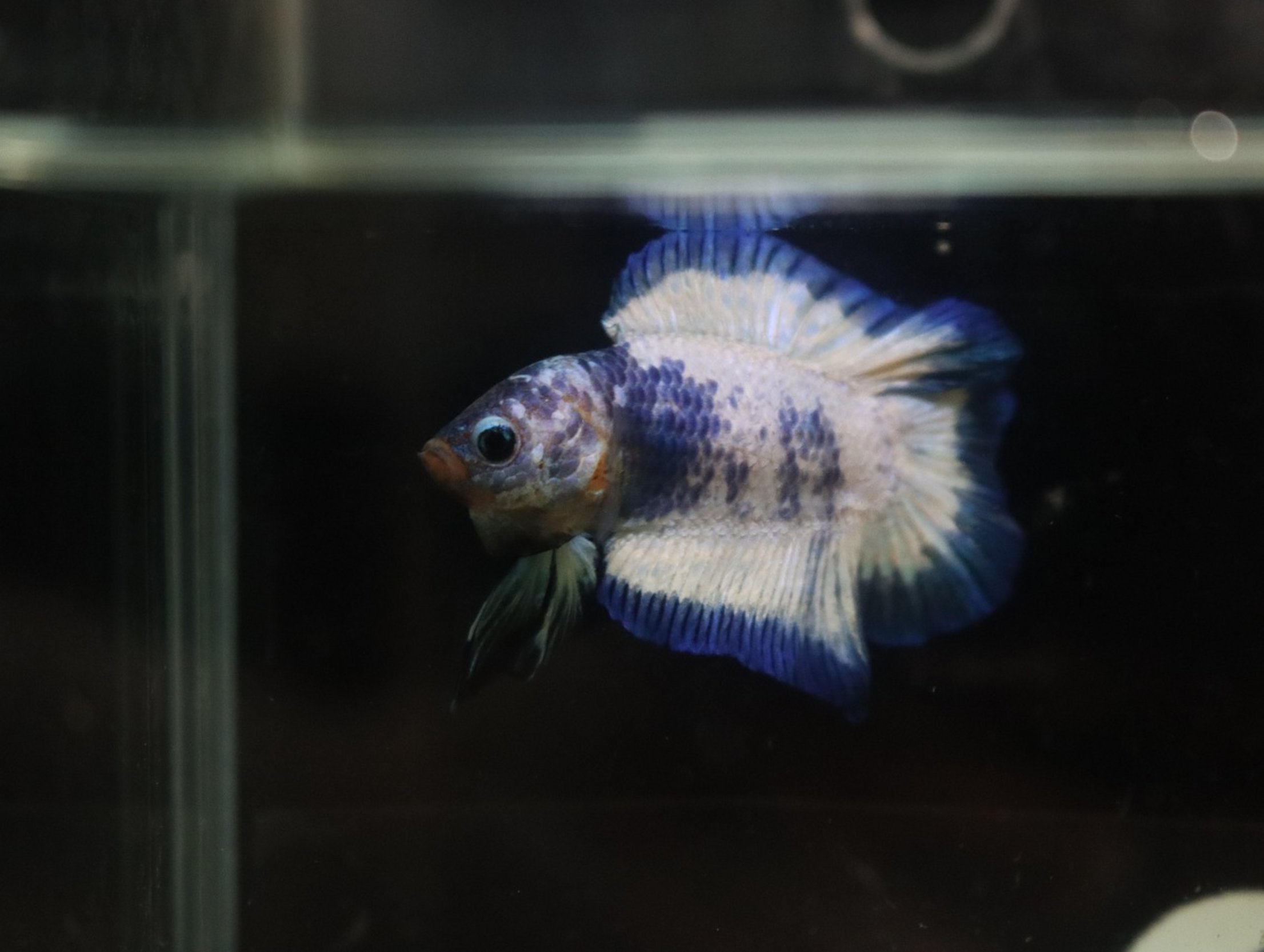
That said, salt is a tool for regulating water that allow fish to maintain the right levels of minerals and fluids in their body. So, yes, salt helps with this but it isn’t a magic bullet, it won’t actualy kill parasites by itself. Knowing this is what separates salvaging a sick fish from gradually drying out a healthy fish.
Few guides shows the fine line between healthy neglect and beneficial treatment. You want to know where that line is, and when you should pick up the bag or leave it alone. What does a betta’s health have to do with it?
Reducing Osmotic Stress for Better Healing
Concentration, biology, and individual fish comes into play here. Learn what happens to a betta’s body when exposed to salt so you can treat accordingly instead of by habit. For bettas, salt’s main benefit is that it decreases osmotic stress.
Essentially freshwater fish has to absorb water but also constantly release salts via their gills. To help keep themselves in balance, they go into overdrive trying to hold onto minerals and flush out extra water. By adding just a little salt to your tank you lessen this gradient.
In essence, the water now is a bit more like the betta’s insides. They don’t have to spend as much energy keeping their body in check. And what do they use that energy for?
Immune response and healing. Think of it more like a support system than a cure. It is worth it now more than ever.
When to Use Salt for Injuries and Stress
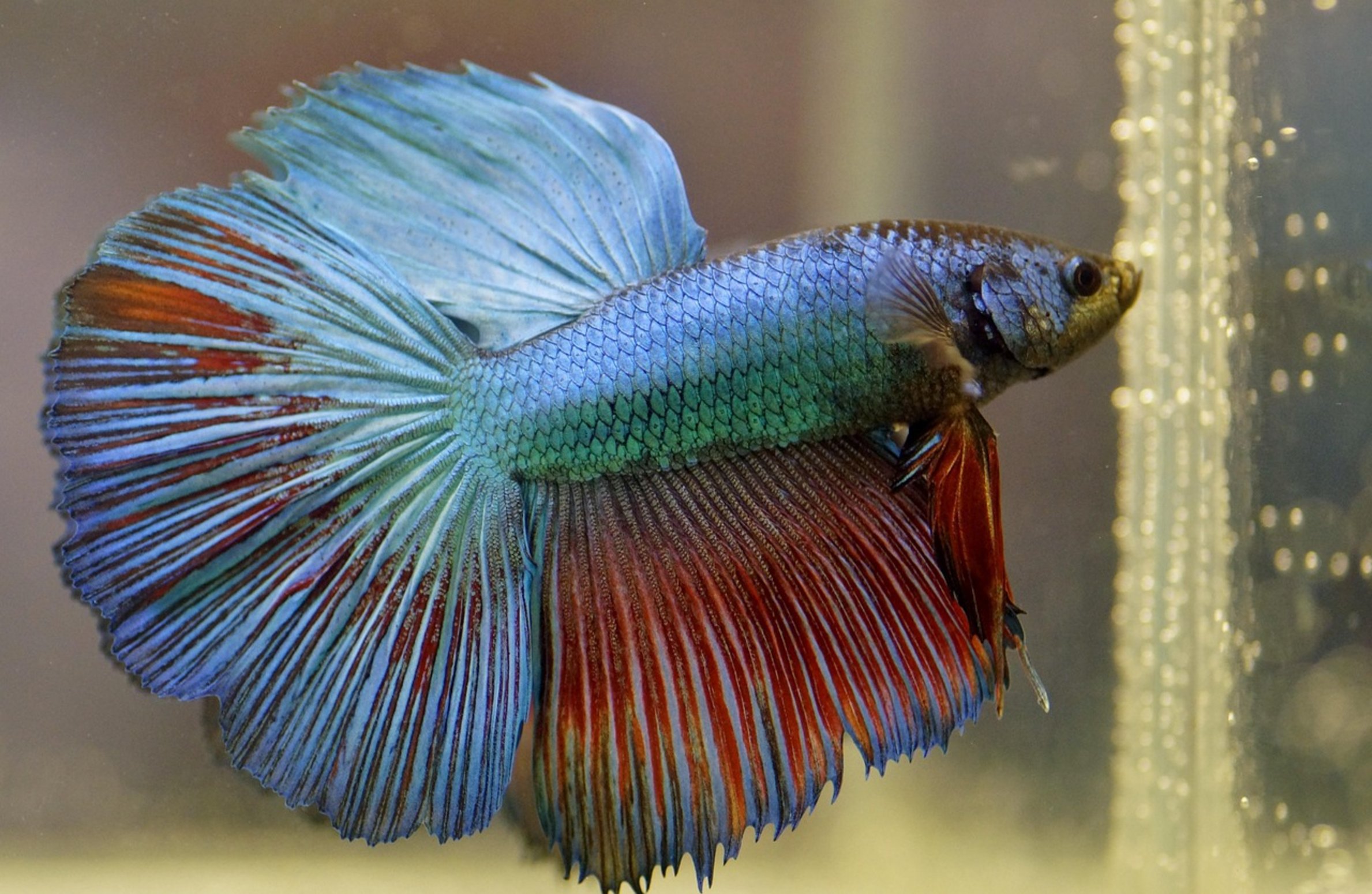
When they’re stressed. When they’ve just been moved. It is also good when they have a slight injury and you want them to recover quickly (nips on fins).
They has no reserves because they’re stressed out by being moved or having an injury. Salt reduces the load on their gills and kidneys. It provides them with a physiological break.
It may help with minor bacterial issues where they are still eating and active. Basically you’re trying to reduce the physical toll of what’s already going on so they can let their own defenses kick in. The thing is that salt isn’t a cure-all.
Risks to Live Plants and Beneficial Bacteria
A lot of the problems bettas gets are parasite or fungus related. Using salt won’t remove a high bacterial load or a velvet infection by itself. It will delay appropriate treatment if you rely on it for those issues.
Also, many hobbyists uses salt in their tank with live plants. Sodium and chlorides is harmful to most aquarium plants. Low levels of them will still damage plant roots, cause stunting, and over time kill off your plants.
You may be able to keep the salt, but your ecosystem won’t. The majority of mistakes occur in dosage. Generally speaking, a dose of one to three teaspoons per gallon are the therapeutic range for betta fish.
Safe Dosage and Biofilter Maintenance
Above this, you risk dehydrating your betta. Evaporation causes the water to become more concentrated. Since the betta fish is a labyrinth breather that gulps air at the surface, high salinity becomes bad.
Not only does it make it harder for them to breathe, but it can also irritate those special tissues on their gills. Watch the salinity carefuly. After treatment, don’t just top-off the tank with untreated water.
That will spike the concentration. Either dilute all the water or realize the treatment is over. There is also a problem with the long term.
Some people simply add salt and never remove it because they think it will keep their fish healthy. Bad move. The good bacteria in your filter aren’t immune to the effects of ions over time.
They becomes weakened if exposed too long. Over time, the biofilter will crash, spiking the ammonia. No amount of salt you’ve added would of saved your betta from poisoning itself with its own waste.
Using Salt Only for Emergencies
Salt is for emergencies only. It is not a permanent way of life. So what does this mean?
Well, leave the bag hanging on that hook in the cabinet. But do not use it as a daily vitamin; use it more like a tourniquet. Pull it out if the fish is having trouble (injured, stressed, etc.).
Pull it out when the fish gets better. Monitor the water, monitor the plants, respect the biology. Salt can be a friend when used to supplement the fish’s natural defenses.
It can be a foe when it replaces good husbandry. If you have clean water, you’ll seldom need to go looking for that salt.
