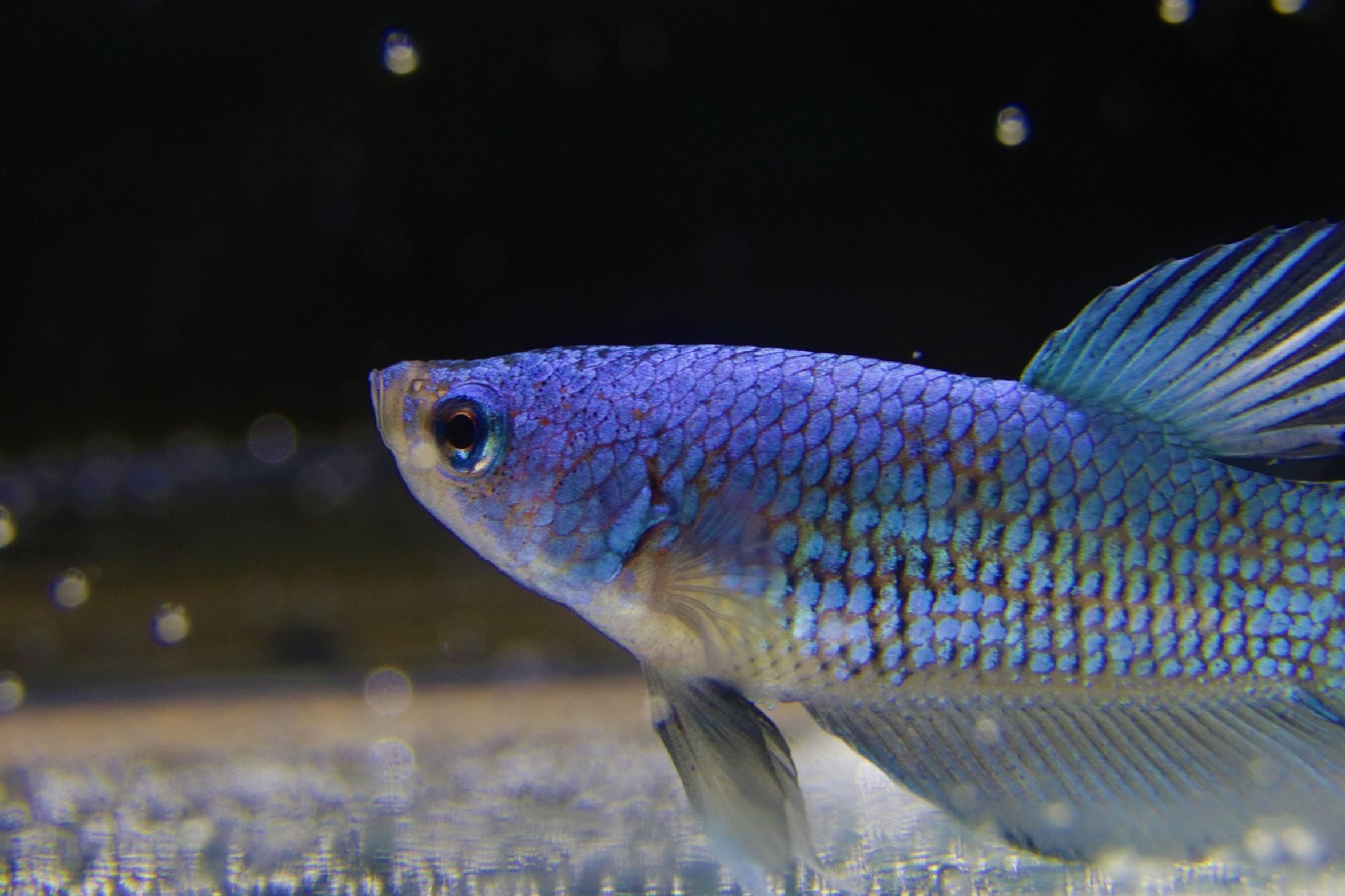
You see them all the time, Betta fish is marketed as an “easy” pet. They’re available in little jar; you put some water in them, plop the fish inside and off you go. It seems like nothing could be easier, right?
Sadly, many of those very same fish will develops cloudy eyes, clamped fins, and ultimately pass away too soon more frequent than any other commonly-kept aquarium species. In most cases, inadequate water quality isn’t even the issue. It begins with what’s served on a dinner plate.
One of the only variables you has control of regarding your betta’s day-to-day life is feeding. How much, when, and what goes into your betta’s mouth are up to you. Do it incorretly and you create an environment that no amount of filtration can remedy; one that will poison your betta.
Do it correctly, and you’ll witness a vibrant, active fish that show color for years on end. Overfeeding is significantly more prevalent than underfeeding so the stakes are higher then most people think. A good quality, specifically formulated labyrinth fish food.
Essential Guide to Feeding Betta Fish Daily
The Importance of Betta Fish Diet
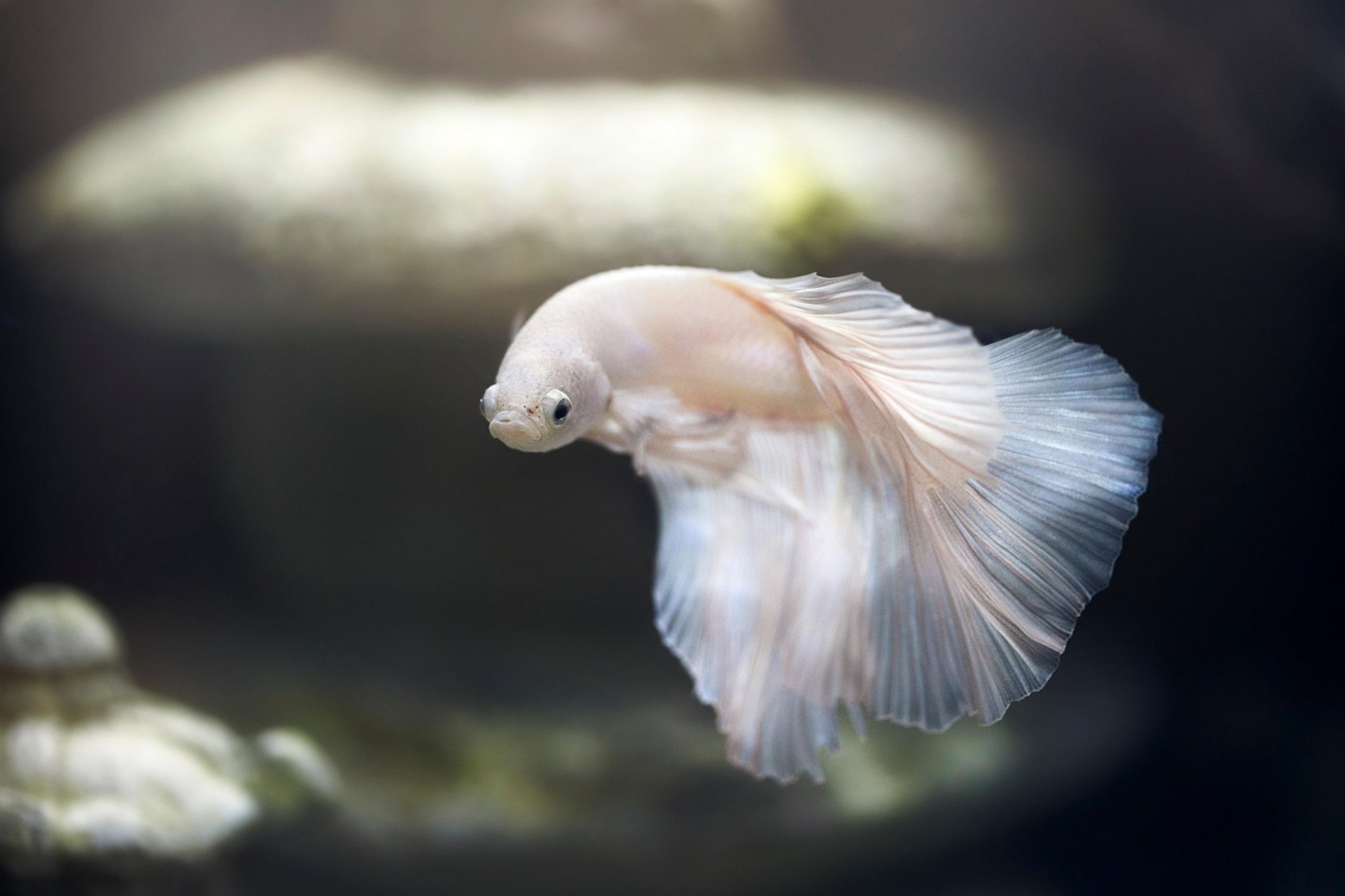
Flake or pelleted; form the bedrock of every betta’s diet. Foods like Sera Bettabites or Hikari Bio Gold contains all the right nutrients and proteins with minimal filler ingredients. These is floating or sinking pellets that is similar to what bettas eat in nature (insects).
Don’t switch between five different types of foods. Try to use just one proven food. If your fish stop eating something, it will be easier to identify when they’re on something consistent.
Quality are more important than variety. These carnivores is all about the protein. Wild bettas feeds on insect nymphs, small crustaceans, and mosquito larvae.
Choosing High Quality Staple Foods
While pellets fill the bill (pun intended) to meet your fish’s basic requirements, its not much of an adventure. Enter live/frozen foods. Here’s where bloodworms excel: They’re high in protein and trigger a hearty feeding response.
For variety, and for digestive health, daphnia is another option. Instead of daily feeding, offer these treats two or three times weekly. This combination provide nutrition while preventing the lethargy that comes from a boring diet.
Using Live and Frozen Treats
Most new owners makes the mistake of feeding too much food. Your betta has an eye-sized betta stomach. Yes, I know it sounds small but it’s true.
Feed your betta as much as he/she can eats within two to three minutes. Most of the time that will be a pinch of flake or two to four pellets. Anything left floating beyond five minute means you fed too much.
Clean up the uneaten food promptly. Food left in warm water will rot fast. That cause ammonia spikes and cloudiness.
Cloudy water stress the tank. Stressed fish has weakened immune systems and are prone to disease. Weekly fasting, while odd, is essential for betta fish.
Correct Feeding Portions and Frequency
Many believe it’s cruel to starve their pet. It isn’t. Fasting is good for them.
In the wild, they don’t have food everyday. Fasting once per week (a full day) give their digestive system time to clear out waste and gas. It also teaches them to eat greedily when you do present food.
A hungry fish are a healthy fish. Skipping this can lead to swim bladder issues and other internal swelling that will cause pain and likely death. This is a small sacrifice for a long term benefit.
The Benefits of Weekly Fasting
Lastly, take note of what’s happening when you feed your betta. Does he/she dart out, grab the food, and eat it cleanly? That’s a good sign of a healthy betta.
Does he/she seem to lose the food after grabbing it or have trouble keeping it down? Check for swim bladder disorder. Overfeeding dry pellets (which expand in the stomach) is often a cause of this condition.
Try soaking the food in water for a minute before feeding to help prevent this. Watch also for bloating. A rounded belly that doesn’t goes away within a few days should raise a red flag.
Immediately cut back on your portion. I know people gets fancy when it comes to feeding their bettas… Specific times and all sorts of stuff, but let’s face it: they eat a lot less then you think.
The trick isn’t really in knowing when to feed them so much as not feeding them too often. It can be tempting to treat our pets constantly. However, being a good keeper mean having a fish that thrives, not simply survives.
One way to do this is by fasting one day per week. Stick with high quality staples, use protein treats sparingly (if at all), and fast regularly. You’ll be rewarded with a slim fish and a clean tank, the hallmark of a well-kept betta.
Signs of Health and Common Issues