
Hot pink, vivid orange, and electric blue. These are the color that we see when we look at GloFish sold in pet store. But most of us assume that their color result from some combination of optical illusion and heavy editing.
The truth, however, is rooted in biology. GloFish aren’t simply painted pets; they’re living example of genetic engineering aimed at aquarium hobby. Knowing more about GloFish make them more than a decoration, it makes them an interesting biological accomplishment.
Understanding GloFish Danios And Their Genetic Creation
What Are GloFish
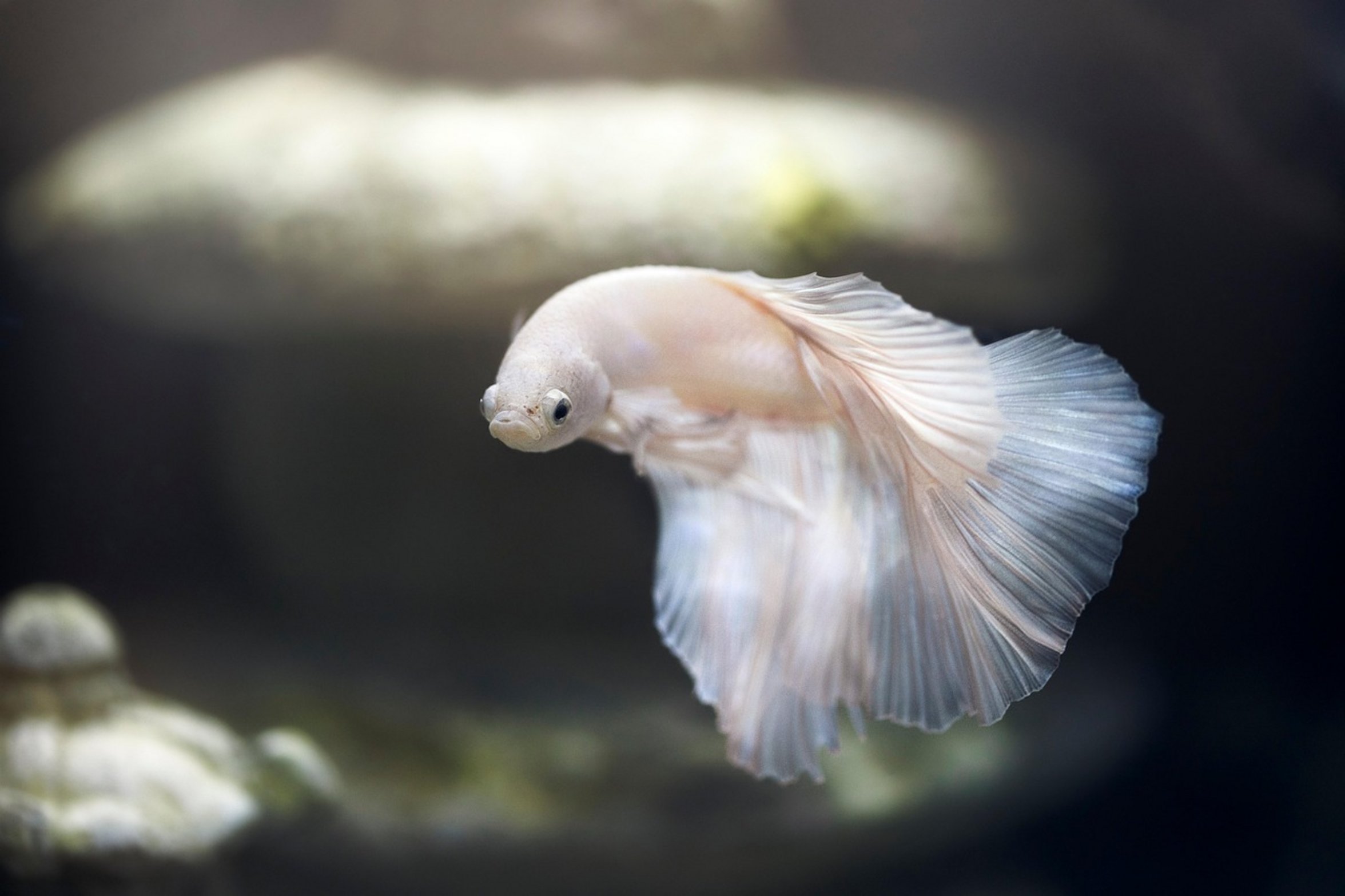
The underlying species for most GloFish lines are the zebra danio. It’s an attractive, hardy tropical fish that’s relatively low maintenance, non-aggressive, and very active. In nature, it’s a fairly subdued fish with a silvery body and faint horizontal striping…
Nothing realy noticeable in well-lit tanks. Enter scientists who altered its look … forever. These are fluorescent proteins.
How GloFish Are Made
You’ve seen it before. Fluorescent protein are what cause some marine animals, such as jellyfish and corals, to glow. To glow.
Scientists has identified the gene that control this glowing behavior and implanted them into eggs of fertilized zebra danios. Before hatching, they manipulate cell on a very specific level. The color of fish does not fade with time or come off like paint on a car, but that’s because this isn’t a temporary dye job.
It’s an inherited genetic modification. The fish express the fluorescent protein in their skin cells for rest of their lives. Because it’s permanent, GloFish are a trustworthy product for both hobbyist and retailers.
It’s done through a process known as microinjection. Scientists use incredibly fine glass needles to inject the foreign DNA into developing embryo. However, only a very small number of injected eggs actualy take up the new genetic material, which means they’re thrown away.
Those that succeed then has the stable fluorescent trait, which is why all GloFish sold have it. Does it hurt the fish? I’ve heard you ask.
Are GloFish Healthy
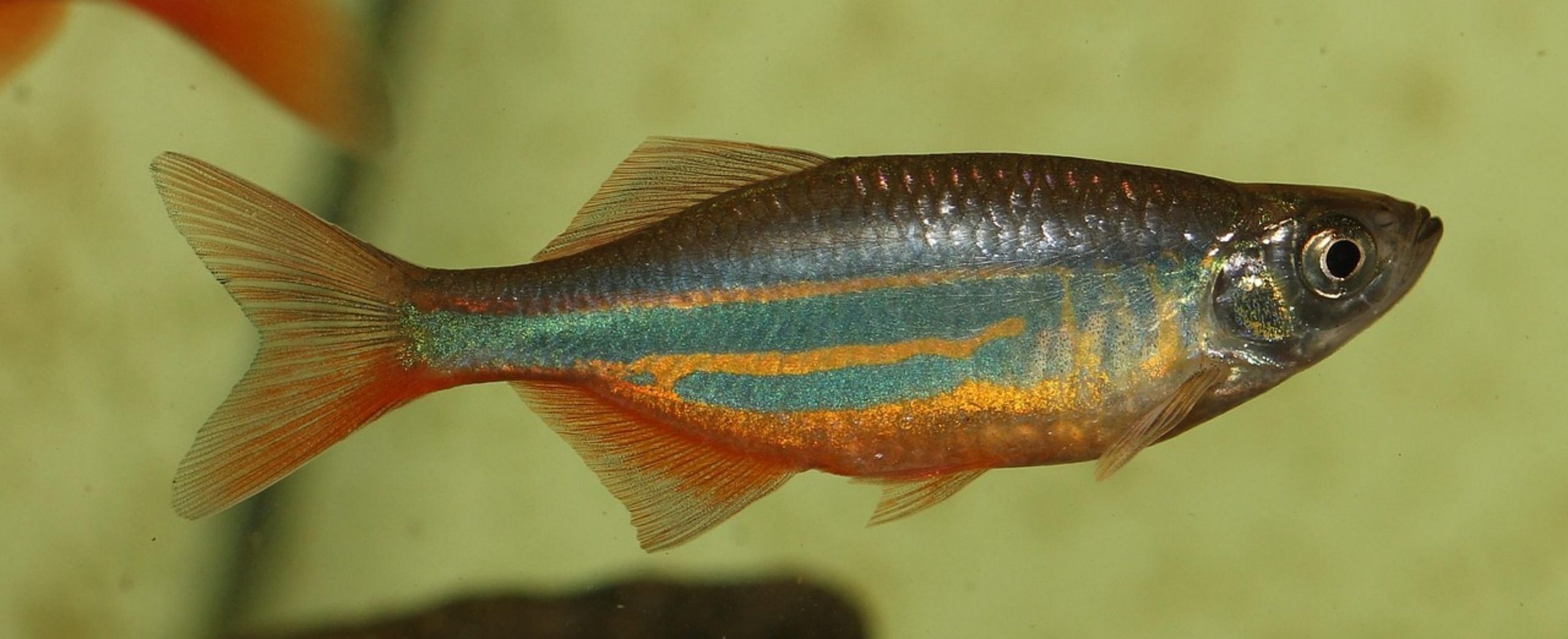
Based off many tests conducted by independent veterinary groups, no, they’re just as healthy as their natural counterparts. The modified fish don’t have shorter life spans, they don’t get sick more often, and the new genes doesn’t throw off their behavior, reproduction or digestion. In short, it’s purely a surface change that doesn’t mess with the biological machine.
GloFish Lighting Needs
Another misconception is that these fish only glow under UV light. Fluorescent proteins are visible as they absorbs other types of light (like standard white light) and then “glow” with their own light. While the effect may appear more intense and dramatic under a blacklight, you do not actualy need one to see the fish.
Under standard aquarium bulbs/room lighting, they will still appear vibrant.
Caring for GloFish
GloFish can be treated like any other tropical community fish. Like all tropicals, they enjoys a warmer tank temperature, ranging from 75-80 degrees F. Because these fish do not like to be alone, they should of been maintained in numbers.
Just as with their natural counterparts, live plants and lots of cover help to reduce stress. What do I feed? It’s simple, these guys are omnivores and they’ll eat any good quality pellets, flakes, the occasional frozen treat, etc. The key is paying attention to their behavior as sometimes a little color change isn’t a great indicator (they get really colorful!).
They may lose there appetite or act lethargic. These are all better clues that something might be wrong.
Environmental Impact

Some people is concerned that these fish will be released in the wild, causing an environmental problem.
They’re quite hardy but are tropical fish, so they won’t make it in a temperate climate unless there’s a source of heated water available to them. Nature experts considers the chance of them forming an invasive population to be low. Even so, responsible owners don’t release them into nearby waterways.
For me, that’s what makes GloFish so appealing. It’s simple and you’re getting something beautiful to look at with minimal fuss, just warm water, some social groups, hiding spots, and high-quality food. They’re not too difficult for new keepers but still has something new to offer the experienced fish keeper.
All I see is cool technology and fun to play with, nothing more, nothing less. The advancements in biotechnology can be seen when looking at a tank of glowing danio. It not only turns an ordinary pet into a living work of art, but it is also art that is alive.
You don’t need to know about gene splicing to enjoy them, but knowing how they are made give you another level of appreciation and respect for the animals in your tank. Yes, they’re real fish. Just ones with a dazzling moddern wardrobe.
