
Aquarists love tiny, colorful crustaceans known as cherry shrimp. Besides there beauty, they scavenge the invisible film that coats tank surfaces. Because of their bright red (sometimes orange) color, hobbyist frequently use them to decorate tanks with black substrate and green plants.
They is one of the most popular choices for nano tank enthusiasts. But most new keepers overlook some important diet requirements for these crustaceans. Getting there nutrition wrong can be simple.
The temptation are to give them flakes like any other fish. After all, isn’t that what fish eat? No. Shrimp aren’t fish.
They’re bottom dwellers with different digestive systems. Feed them wrong and you’ll float food in your tank but starve your shrimps. Feeding them wrong will also rot uneaten food and potentially poison your tank.
What Cherry Shrimp Eat And How Often To Feed Them
Understanding Cherry Shrimp Diet Needs
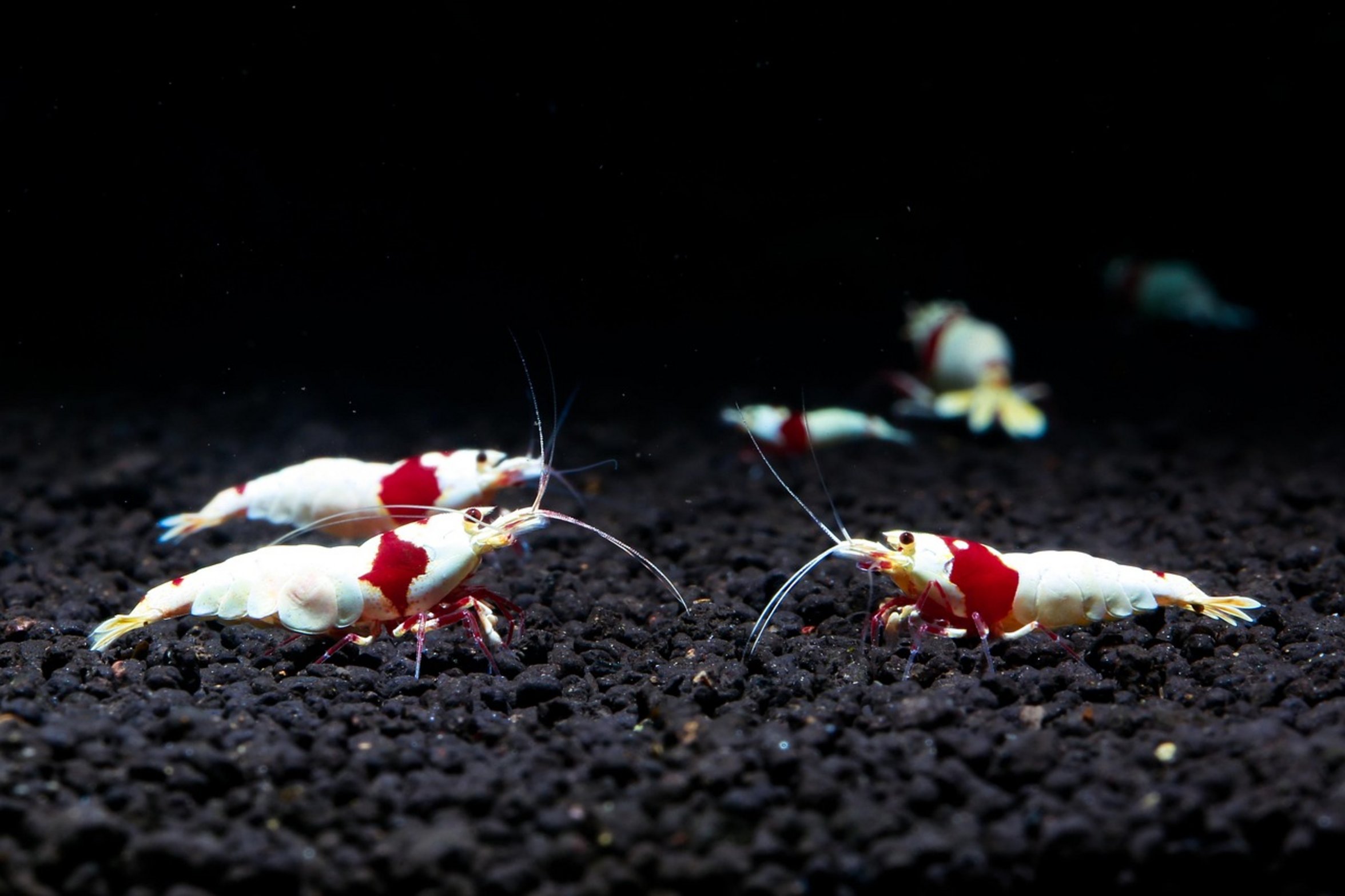
What they eat is important if you want a healthy colony rather then confused, pale shrimp. Biofilm is a thin film of bacteria and algae growing on plant leaves, rocks, and even glass. For wild shrimp, it’s what they primarily eat.
The Importance of Biofilm
And it should of be a major part of the diet for captive shrimp as well. To get biofilm, you don’t have to go out and purchase some specialty product. In fact, keeping your tank completly sterile is harmful to them.
A little dirtier tank is better for most species of dwarf shrimp (Neocaridina davidi included). This keep their digestive system active between feeding times because there is always something for them to graze on. Biofilm can be thought of as a continuous food source.
It’s accessible to your shrimps, and readily available. If you notice any shrimp rubbing along leaves or grazing on the glass, they’re eating. This naturaly eases stress so they can work on shell hardness, and focus on breeding.
To increase biofilm, create a planted aquarium with some type of surface that biofilm can grows on (e.g., smooth rocks, wood). Failure to do this will result in a lack of the easiest means of providing food to your shrimp.
Using High Quality Shrimp Pellets
In addition to biofilm, they require specific protein to keep them so brightly colored.
The common solution here are high quality shrimp pellets. There is several brands such as Fluval Bug Bites or Hikari Shrimp Bio-Gold that make pellets containing wheat germ, spirulina, and other crustacean foods. They also dissolve fast (which is a good thing since they aren’t surface feeders).
Ideally you want the pellet to hit the bottom before it is dissolved. A couple of times a week will provide concentrated nutrition that biofilm doesn’t always provide. Protein fuels not just reproduction, but also growth.
Preventing Overfeeding and Water Pollution
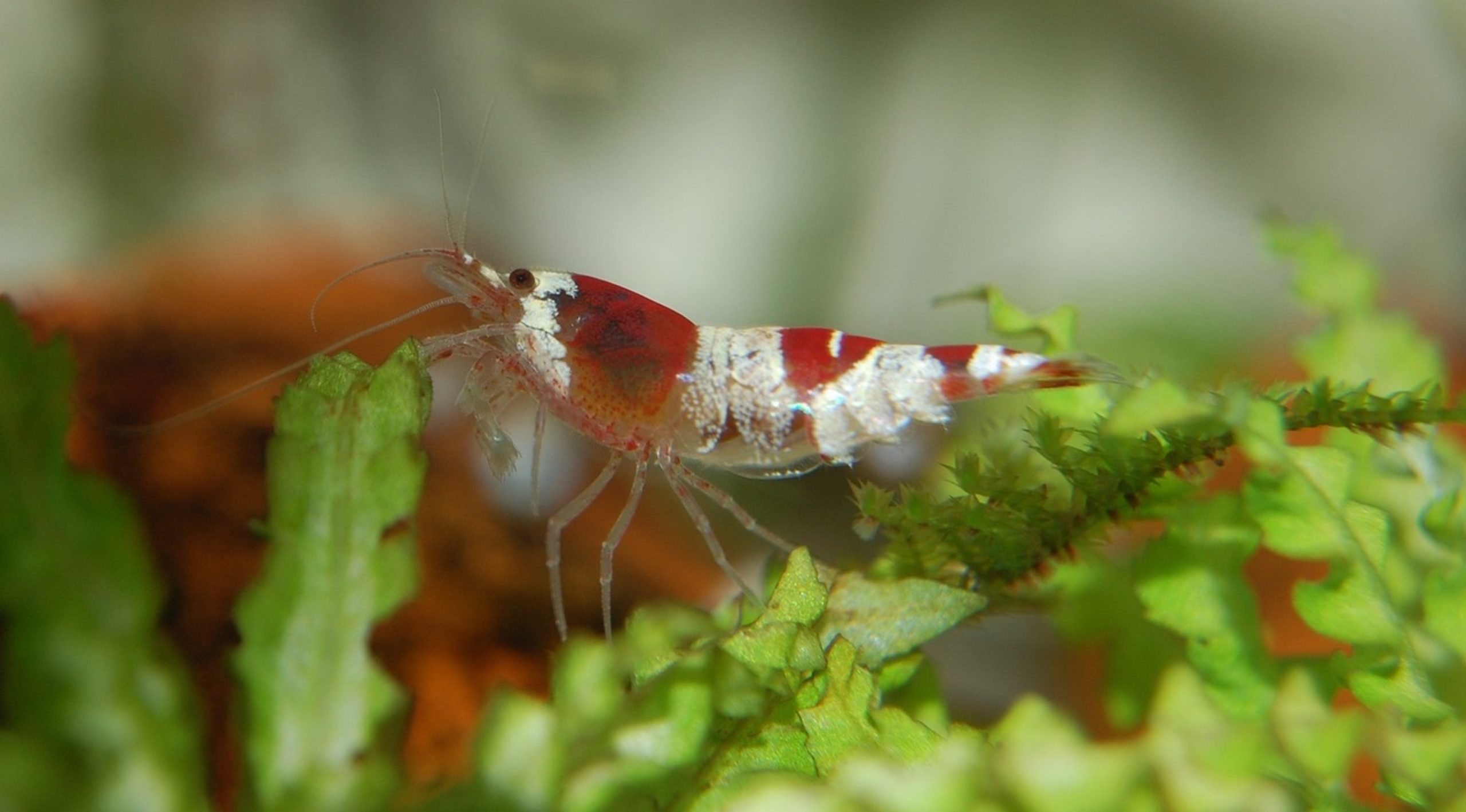
There’s a catch: too much protein will destroy your water quality faster than anything else. When you overfeed, those uneaten pellets fall to the bottom of the tank and start to decay. Decaying organic matter produce ammonia and nitrite, which spike your water parameters and can kill off your beneficial bacteria colony.
To avoid this, the key is moderation. Only feed as much as your shrimps can eats within ten minutes. If there’s still food remaining after ten minutes, you’re feeding your beneficial bacteria more than your shrimps.
Remove the excess using a siphon if needed.
Feeding Blanched Vegetables
Finally, some vegetable matter that adds necessary vitamins and fiber. Peas, zucchini, and blanched spinach are great choices here.
To soften the food so it can be digested and chewed easy by the shrimp, you’ll want to blanch the veggies. Boiling them for two to three minutes is enough to wilt the tissue without destroying the nutrients. Throw a piece in the tank and see how fast your colony gobbles it up.
This will also let you know if they’re active eaters (which is a good way to know) and get a better idea of what they do. Vegetables help keep the tank clean of waste and can also help keep your water quality good. Vegetables absorbs nitrates from the water column, which can be especially useful in planted tanks where light levels might encourage algae growth that competes with biofilm.
Vegetables also becomes part of the natural filtration process. Because you’re feeding them some variety (once or twice weekly), it helps balance out their system. They get a change from all those processed pellets.
And it simulates what they’d encounter in nature, a variety of foods like algae and biofilm in a natural pond.
Establishing a Feeding Schedule
How often you feed them is just as important as what you feed them. Every day isn’t necessary.
Feeding daily can create bad water quality. Three to four times a week using specialized pellets are generally good enough. Treat them to vegetables once a week.
The off-days will be filled in by the biofilm. This will keep them fed but also prevent overfeeding.
Checking Shrimp Health and Belly Fullness
Observe their bellies.
If they have a full, clear belly then they’re getting there fill. If it’s hollow or sunken then they want more and it might be time to tweak the feeding schedule. Quantity isn’t the issue.
What matters when feeding your cherry shrimp is consistency, providing something every day or most days, and variety. If you feed them a combination of food containing some protein plus natural grazing supplemented occasionally by plant material, they will be happy. You’ll have nice, clean water and your shrimp will stay bright.
Your tank will appear to come alive and be active, just like in nature. Little red dots dart around the greens.
