
If you’ve ever had a goldfish, watching them grow a bubble eye is an odd sight indeed. One minute your pet is fine. The next, they has large, individual, fluid-filled sacs growing on either side of their face that look like miniature balloons stuck to their head.
It’s a dramatic transformation that raises instant red flags to anyone who owns one. For novice aquarists, whose mental image of a healthy fish are one that’s sleek and unblemished, it can be downright disturbing. Is my fish OK?
Am I doing something horribly wrong with my water? What’s going on? What is actualy happening here?
Understanding Goldfish Eye Bubbles and Treatment
Are Bubble Eye Goldfish Deformities or Breed Traits?
Why does this condition occur? And how do we distinguish between cosmetic deformities and actual medical issues? Just as a note: The bubble eye isn’t some random mutation; it’s one of the traits of a particular variety developed by selective breeding across multiple generations.
In fact, all these varieties includes the Bubble Eye, Ryukin, and Oranda. They was selectively bred to produce interesting and unique-looking goldfish. They are genetically prone to building up fluid-filled tissue behind their eyes.
This is exactly what happens, and it is why breeders keep breeding them to look this way. Yes, the bubbles are natural for these fish and are actualy part of how they are built. They are not an indicator that something is wrong with your fish if it are otherwise healthy.
That’s important to realize upfront so you don’t think it should of been fixed immediately. So how do you know? Are the bubbles pathological or genetic?
Distinguishing Genetic Bubbles from Infection or Trauma
In most cases, the answer lies in the bubbles themselves. Clear, symmetrical bubbles is generally genetic; they’re made of the same substance as surrounding body fluids. They don’t bother the fish.
It doesn’t affect its behavior, eating habits, etc. If it’s a sudden onset in a previously “normal” goldfish without this trait, then more than likely, it’s due to something external. Swelling from trauma or some type of infection may mimic the genetic trait. Generally cloudy or asymmetrical, this swelling can lead to severe infection and require attention.
Knowing when you have a condition vs. Knowing when you have breed characteristic will save you money on pointless treatments. If the swelling is due to trauma (injury), then the treatment method will be entirely different. Goldfish can be physically harmed by hitting hard objects like decorations, being attacked by aggressive tank mates, or even just being handled roughly.
Goldfish are very active swimmers and like to explore things…they’ll bump into everything without knowing what might happen. They don’t know that delicate tissue behind their eyes could gets punctured by hitting an ornament or plant. This could result in a serious infection.
The fluid will turn cloudy or bloody, meaning there is an open wound that need treatment. Maintaining clean water is the best solution for promoting recovery. Bacterial load in clean water are reduced, and the fish’s natural defense mechanisms can go to work.
Water Quality and Injury Prevention for Goldfish
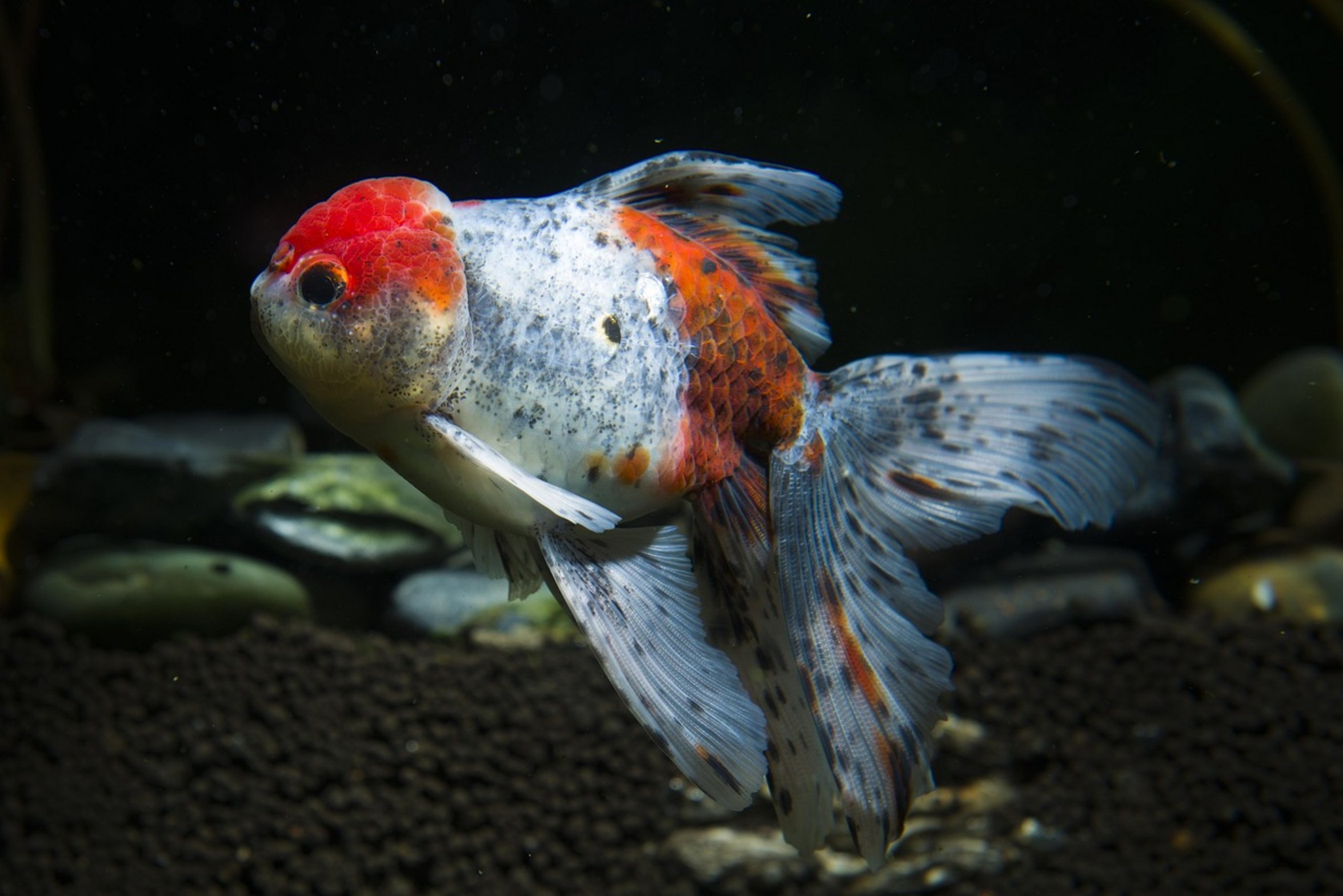
Water quality is also a major factor in prevention and recovery. Remember, goldfish is messy eaters. They generates lots of waste.
Spikes in ammonia and nitrates stresses the immune system. Secondary infections are more likely after even minor injury on stressed fish. Regular testing of water parameters will help you keep things stable.
Partial water changes can help dilute toxins. This basic step in maintaining water quality can be difference between mild issues and problems getting worse. This is not just for eye-problem fish, but for all fish in the tank.
Managing water quality early help everyone. Good water is base of good health. Infection requires targeted treatment.
Treating Bacterial Infections with Quarantine and Antibiotics
Antibacterial treatments can removes the germ that is causing the swelling. For bacterial infections, common antibiotics found in the aquarium hobby include products such as Kanamycin or API Erythromycin. Always follow the dosing directions.
Note that over medicating will kill the beneficial bacteria in your biological filter. If possible, isolate the infected fish to a quarantine tank. Keeping them in a quarantine tank not only reduces the stress (which hinders healing) but also protects main display tank from being contaminated with the germ.
Keep a close eye on the fish. Are their symptoms getting better or worse? When it comes to eye issues, prevention is best.
Preventive Care: Tank Setup, Diet, and Monitoring
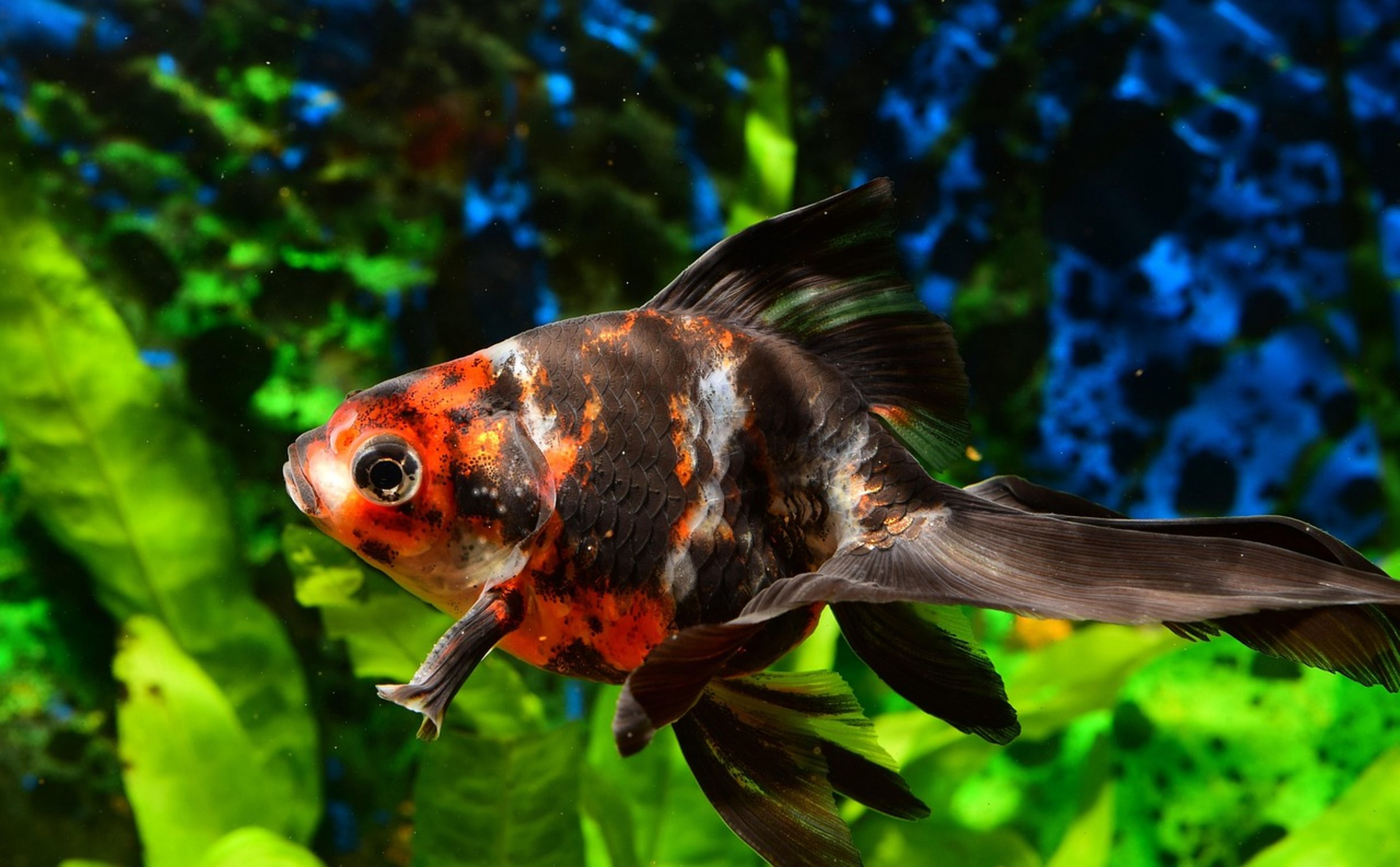
First off, keep the tank decor away from any sharp objects. Smooth stones are better than jagged rocks; soft plants are better than jagged décor. Second, make sure the tank isn’t too crowded so there’s no aggression.
Third, provide enough hiding place to reduce stress. Fourth, feed your fish a well-balanced diet high in vitamins to keep them as healthy as possible. A stronger immune system means healthier fish.
If they gets into little bumps and scrapes, they’ll heal quicker. And if they do get infected with something, they’ll fight it off easier. Observe regularly.
Monitor your fish everyday for anything out-of-the-ordinary. Look for any change in appearance. Look for any change in behavior.
The earlier you detect things the better. Treatment will be both simpler and more effective. A unique characteristic is what makes a bubble eye goldfish beautiful.
A bubble eye is also a work of art, a living sculpture. But being special means you must be careful how you treat it and where you keep it. It has sensitive parts!
Regardless if it’s genetic or acquired, the care is still the same. Keep water good and create a home where they can stay safe. Address any wounds quickly but don’t freak out at normal characteristics for the breed.
Knowing the distinction will help keep your fish happy and healthy. Small details matter for your fish’s long-term health.
