
Oh no! You notice the fins look all raggedy and your betta doesn’t look so much like a dancing queen as he does a moth that’s been through dryer. If you’re like most hobbyist who have seen this, you panic right away.
You run over and start grabbing out the heavy artillery… Antibiotics, and you begin dosing the tank with whatever you can find. While I understand where that thought process come from, that typically isn’t the right course of action.
What you’re witnessing may not even be that severe and can easily be reversed without turning the tank into chemistry lab. That’s where problems arise: allowing an infection that may have started off minor to become systemic. Will this rot stop at the fins?
Then there’s hope for your betta to recover. Will it spread to body? It will all depend on quality of the water and the timeliness of action taken, sometimes timing makes the difference between life or death.
But don’t forget, what you do to environment matters too, treat the tank like you’d treat the fish. It’s important to know what early signs are so that you can spot them. It’s also important to have some patience; not all fin rot looks like tattered clothing immediatly.
Treating Betta Fin Rot Before Spreading
Early Signs of Betta Fin Rot
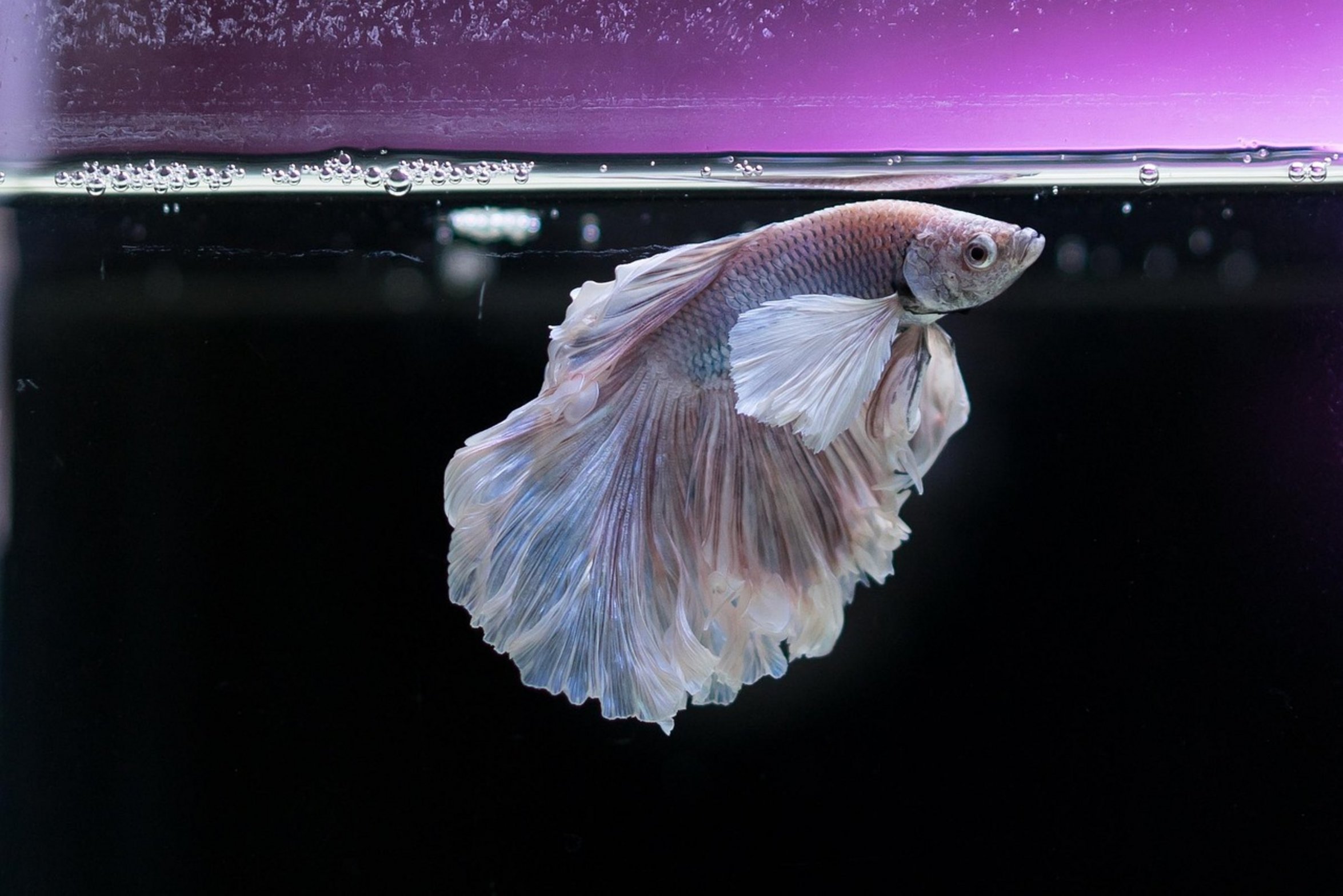
Many times, it begins with a bit of cloudiness on the fin. A white line will appear up along side of the fin ray. The fin tissue will look translucent where it would otherwise be healthy and opaque.
At this point, the infection has not spread into the major body cavity. If you catch it at this time, there’s a good chance that you’ll be able to salvage the fin tissue… And, more importantly, you’ve saved fish’s life. First thing to do, test your water parameters.
Water Quality Causes Infection
In nearly all cases where fin rot occur, it is due to poor water quality. Spikes in ammonia and nitrite can damage the slime coat on the fish. They also harms the immune system.
This makes the fish more likely to get bacterial infections that wouldn’t bother a healthy fish. Test your water now. And if you’ve got any detectable ammonia, there’s your issue.
Many mild cases will go away simply by fixing the water. There is no need for medication. If water quality isn’t the problem, then it’s time to think about treating your specific problem.
Salt Bath Treatment Method
First line of defense is to use a salt bath (classic!). A salt bath will help reduce tissue irritation and draw bacteria out off the fish. To do this, you simply give the fish a brief dip in a diluted salt solution.
Don’t use table salt, use aquarium salt! Follow the directions for the dose. A salt bath is gentle.
It doesn’t harm any of the beneficial bacteria in your filter. It basically creates an environment that makes it hard for pathogens to survive. Depending on how far along the rot has progressed, it might be time to add an antibiotic.
Using Antibiotics for Bacteria
For a bacterial infection, something like Seachem Kanaplex or API Fin & Body Cure would be effective. They will specifically addresses the bacteria that cause the rot. Follow the instructions on the package.
You do not want to overdose; it’s not beneficial. It can harm your biological filter and make your tank unstable, which is detrimental to your fish. Your goal is not only to remove the infection but to stabilize the tank so the fish can get better.
Hospital Tank for Recovery
You can reduce stress by treating an isolated fish, which is easier than trying to treat a community one. A hospital tank let you monitor the betta closely without the distraction of tank mates. Dosing meds in a hospital tank separate from your main display tank makes treatment easier.
Monitoring the betta without distractions (tank mates) is also easier with a hospital tank. Healing slows down when a fish is stressed. Dim lighting are helpful in keeping stress down.
Keep the water clean and warm, A heater running at eighty degrees can boost the immune system and speed up recovery. It’s always better to prevent rather than have to treat. Regularly change the water, keep the tank clean.
Prevention and Daily Care
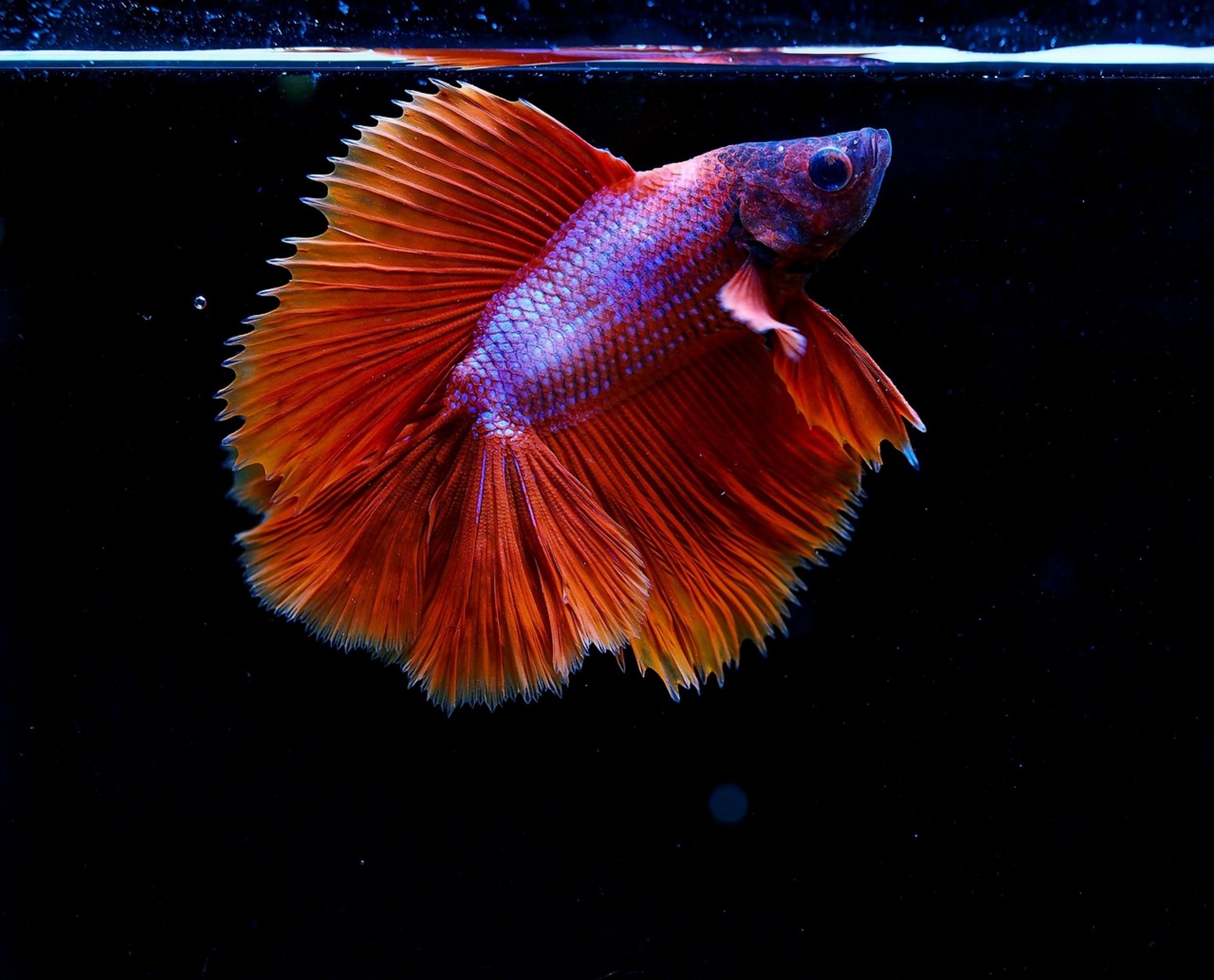
Don’t use any sharp decor in your tank. It tears tender fins. Use a good quality diet that promotes overall health.
Your best protection from illness is a strong immune system. Examine your betta every day. The earlier you detect something is wrong, the more you save those fins (and lives).
That being said, fin rot isn’t a death sentence. Far from it! Fin rot is a warning sign, there’s something wrong with the environment.
You can treat the infection quickly and address the water quality, which gives your betta the best chance of healing. Don’t wait until the damage spread. When you notice those white edges, do something about it.
