
If you have some neon tetras that are gradualy turning white instead of blue, then something serious are wrong with your tank. Usually, this indicate a disease called Neon Tetra Disease. It is not a mild infection, but an infestation of a deadly parasite.
This parasite attack the nervous system and the fish’s internal organs. The visual signs (i.e., what you see) tend to be one of the final things to occur; you must look at the fish itself and its water environment for clues as to what is happening. So what’s the parasite?
It’s called *Plistophora hydroides*. How does it spread? It spread through contaminated water and through carrier fish that show no symptoms.
That means you could have a tank full of fish that look healthy and think all is good, but carriers may carry the parasite for months making prevention hard. The best thing to do then is learn the early warning signs so you don’t wait until the school begins thinning out. By the time physical symptom occur, it’s often too late as damage has been done.
Spotting And Stopping Neon Tetra Disease Spread
Understanding Neon Tetra Disease
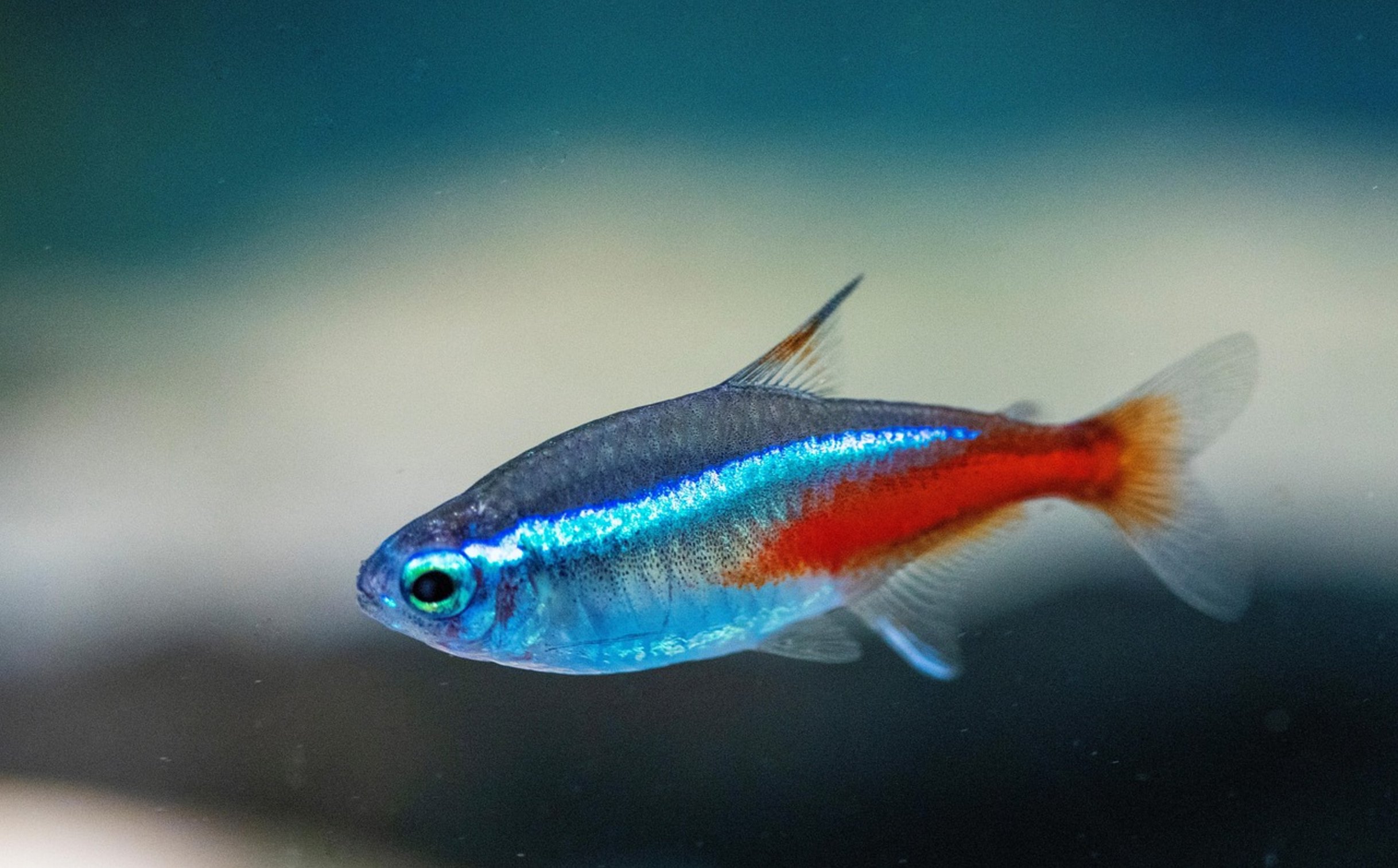
Early detection is critical. The first signs will typically be behavioral. Look out for fish hanging around on the surface or stopped schooling.
Early Behavioral Warning Signs
The parasite also attack the nervous system, which causes them to lose control of their movements and seem lethargic. Observe your tetras at feeding time. If they miss a bite or react slowly, something’s up.
Don’t wait until you see visible sores. By then the parasite has already done great internal damage.
Visible Physical Symptoms
As the disease runs its course, physical signs appear and one of the most noticeable ones is a cloudy, white spot on the fish’s body.
It’s not fungal; it’s the parasite itself replicating inside the organs and muscle tissue. As this occurs, you’ll notice a fading of the vibrant red stripe along the side of the tetra, making it look more gray or dull. You might also notice bloating in the belly as the internal organ fail.
These physical sign show that the parasite has overwhelmed that particular fish. Neon Tetra Disease is a difficult disease to diagnose as it can mimic several others such as bacterial infection and even Ich, but treating with typical remedies for these will be ineffective. Also, treatment may cause more stress on the affected fish than already exists if you medicate incorrecty.
There really isn’t a cure and most aquarists discover this when their medication don’t help the fish. Realizing this is key to preventing the spread of NTD.
Quarantine and Isolation Protocol
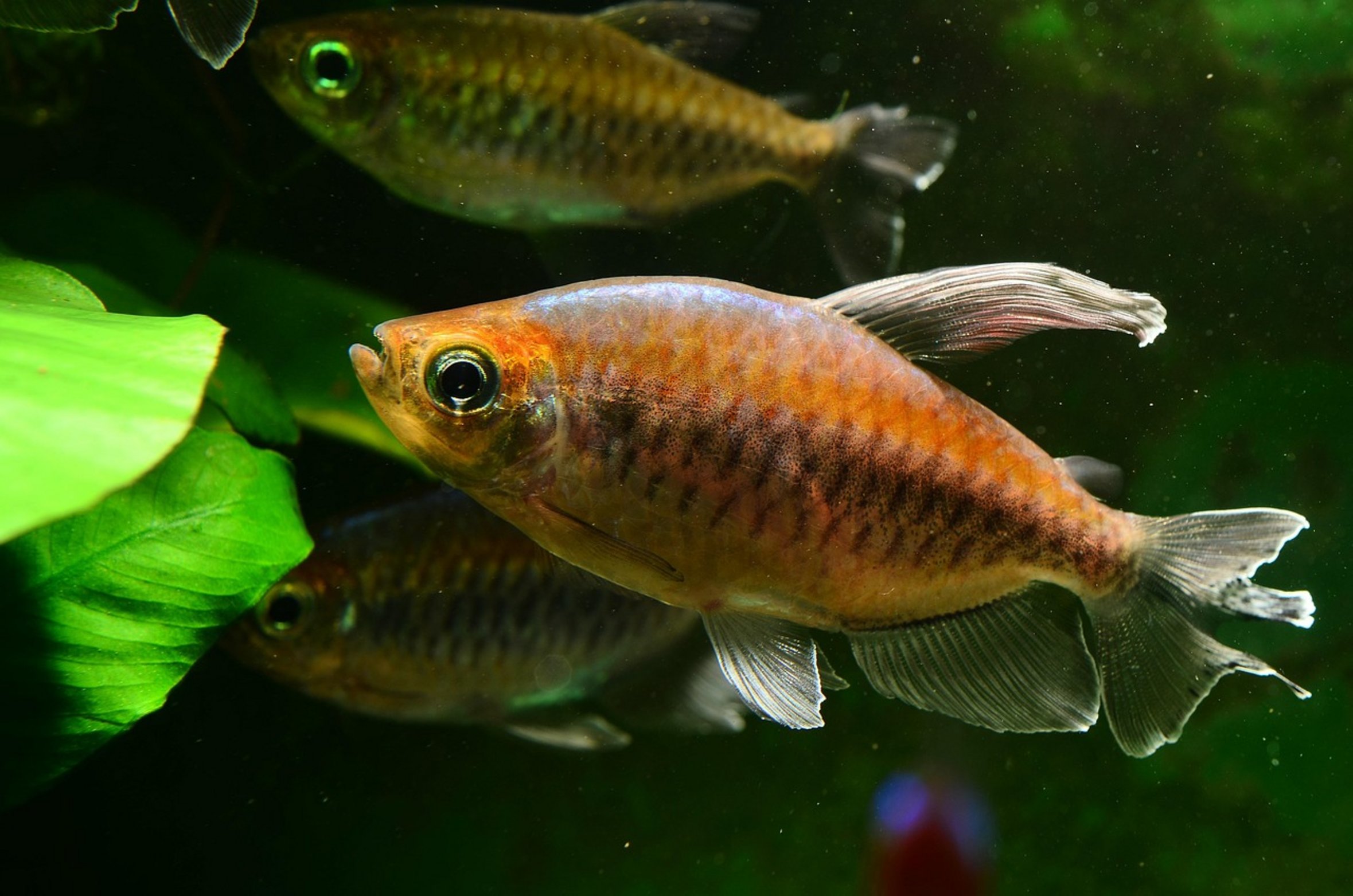
If you suspect you have an outbreak, then your best defense is quarantine.
Immediately isolate any fish exhibiting symptoms into a dedicated hospital tank where you can continue to observe them without compromising your main community. Do not place them back in the display tank. It’s sometimes necessary to sacrifice the individual for the good of the whole; even if their condition stabilizes, they may still carry the disease.
That’s a tough call, but remember… The goal is protecting the remainder of the school. So how do you prevent?
Prevention Through Responsible Purchasing
First, when buying new fish, purchase only from reputable dealers with strict quarantine procedures. Ask what their protocol is for isolating new fish and any health testing that’s performed. If a dealer can’t answer those two question, shop somewhere else.
Second, whenever you bring new fish home, you should of quarantine them. For at least three weeks, isolate them in a separate system. Why?
Because it takes time for hidden diseases to surface, the extra step will pay off big-time down the road.
Maintaining Optimal Water Quality

Good water quality also decrease your fish’s chance of getting disease. Strong water, such as having no ammonia or nitrite, leads to strong fish with a healthy immune system.
High levels of any parameter stress the fish, which in turn makes them more susceptible to parasites and other diseases. To keep your water in check, consistently test for parameters and change water regularly. Remember: A stable tank is a resilient tank.
If you can keep your tetra tank pristine, they’ll have a better chance at fighting off whatever threatens them. Neon tetra disease isn’t something that can be treated with medication. If your fish get it, you handle it by being careful about strict tank maintenance (hygiene) and separating affected individual from healthy ones.
In other words, take care of them and quarantine anything new. This protects your beautiful school of neon tetras, which is worth it. Keep an eye on your fish and your water to prevent diseases from starting.
