
People often overlook the bottom of the tank. When was the last time you looked at yours? Sure, you monitor the temp, you wipe the glass, and you observe the fish swimming around.
But substrate typically lies there as dead space. Wrong. Substrate is one of the most important parts of an aquarium, as it form the base of the tank’s ecosystem.
It supports plants, holds beneficial bacteria, and anchor anything else that needs to be anchored. It also affects how all the other creature in the tank behave and feel comfortabley. Get it wrong and what used to be a beautiful display becomes a biological nightmare.
Choosing Between Sand And Gravel Substrate
The Importance of Aquarium Substrate
Should you choose gravel or sand? This is more than an aesthetic decision. It’s also a chemical and mechanical one.
A sand substrate has a uniform fine surface that lets fragile roots grow as well as natural substrate sifting by bottom dwelling animal. Gravel creates areas big enough for waste to drop into so the substrate itself doesn’t builds up poisonous gasses. Each has its advantages, each have its drawbacks.
Choosing Sand for Bottom Foragers
Decide based off what occupies the tank and your willingness to do maintenance. Sand is preferable for bottom foragers. This includes fish with specially adapted mouths, such as loaches, or other appendages, such as barbels (sensory appendage found on catfish like corydoras).
Imagine having your dainty feature scraping across rough, sharp rocks. Eventually, those teeth will be worn down or even broken off. Likewise, those appendage may become worn.
These animals is meant to sift around in the substrate looking for food. On coarse, uneven gravel, they won’t be able to do so comfortabley. They’ll became stressed and may have a harder time finding food.
So, sand provides a place where these animal can act naturaly. They’re free to siphon up bits and pieces without worrying about getting cut up. That’s why many community tank owner default to using fine silica sand.
Not only does it look nice and bright, but it’s also safe for the fish. The drawback? Because sand compacts, waste will sits atop the layer instead of sinking.
Gravel Benefits for Planted Tanks
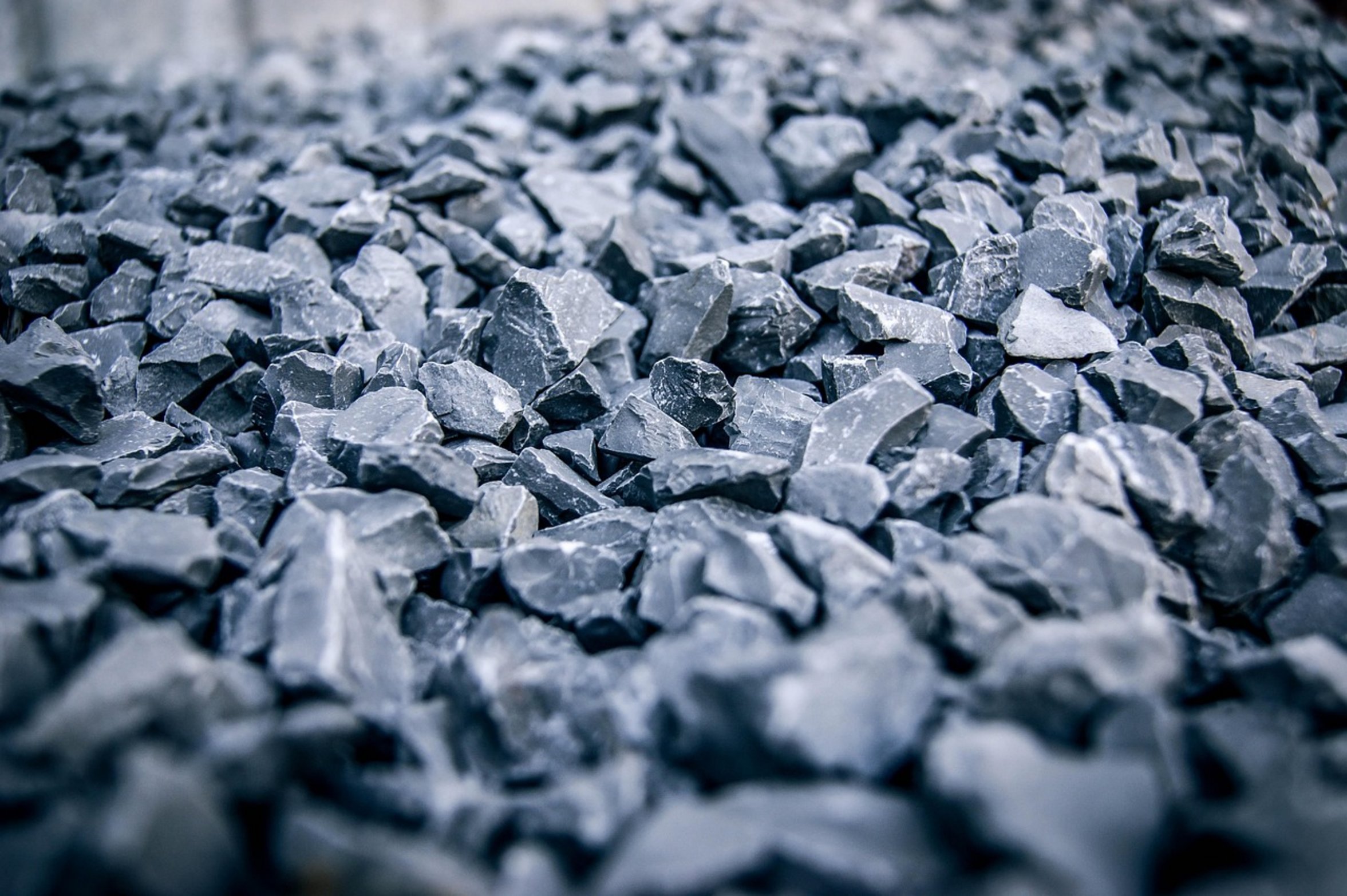
You end up having to vacuum the surface regularly. This is about waste management. Because gravel consists of large particles, there are voids between each stone.
Waste settle in these voids and gets degraded by bacteria, preventing it from rotting in the water column and releasing ammonia. Because of this, gravel require less frequent intensive cleanings. There’s no need to vacuum every square inch of the substrate.
Plus, it’s much better for planted tanks. Plant roots have spaces to wiggle through, giving them better access to oxygen and nutrients than they would get in compacted sand. For an underwater garden, gravel offer the structure needed for lush plants.
Avoiding Chemical Imbalances
Of course, this isn’t ideal for all species of fish. Bottom feeder might get hurt on sharp gravel surfaces. The pH factor is not really a consideration unless you select an inappropriate substrate.
Gravel and sand are inert and won’t impact your water chemistry. That’s good for most tropicals. Most tropical prefer stable environments.
Don’t use limestone or crushed coral substrates unless you’re keeping African cichlids or any other species that do well in hard, alkaline water. These types of substrate react (buffer) by raising the pH. Place these in a discus or neon tetra tank and you’ll end up making their lives miserable.
You’ll be creating either mineral imbalance or a chronic issue with acidity in your tank. For general purpose tanks, stick to inert materials. Use hardness if there’s a biological need.
Maintenance and Cleaning Tips
Reality consist of theory and maintenance. Vacuum sand carefully. Stir it lightly to let off some gas that gets trapped without clouding the whole tank.
It takes practice. Gravel is more forgiving. Blast it with your siphon and most of the junk will sink down into the layer where the bacteria can deals with it.
If you don’t ever deep clean though, gravel can holds onto detritus in the lower levels. Eventually that pocket of rot fouls the water. Both substrate take some care.
Neither is really low maintenance. The technique and frequency of maintenance make all the difference. Buy to match your tank setup.
Finding the Right Fit
Do you have shy bottom dweller that need to burrow? Then go with sand. Then go with sand.
Do you have lots of plant and maybe want the roots held down? Go with gravel. Do you have a mixed community, including both?
Layer. Apply a shallow bed of sand over gravel and protect the foraging member of your community. The sand will keep the deeper filtration qualities of the stones but provide protection for the foragers.
It’s a compromise that works for many hobbyist. Be sure the sand isn’t too thin so that it sinks completely into the spaces between the stones. A well-planted tank feels alive Sand, rock, gravel (whatever you use as substrate), your choice matters because picking the wrong one can turn a tank into a biological nightmare.
Substrate provides the surface area for biological filtration, which maintains water clarity. Substrate provide your fish a sense of place. You can choose a solid crunch of gravel or a soft sweep of sand.
Whatever you pick, know that the work gets done on the bottom. Pick carefully, and watch your fish swim and glow in color. The foundation matters.
