
There is an easy way into the hobby: Keep cold water fish you don’t need to heat. No heater means no electricity expense or worries about equipment malfunction. It sounds like a straightforward solution, it seems right up your alley.
But just because something survive in a cold pond doesn’t mean it won’t need attention in a bowl. Most coldwater project die for this reason. For example, many people use rosy barbs as a go-to fish for such tank.
Essential Tips For Rosy Barb Coldwater Tank Care
Understanding Rosy Barbs as Coldwater Fish
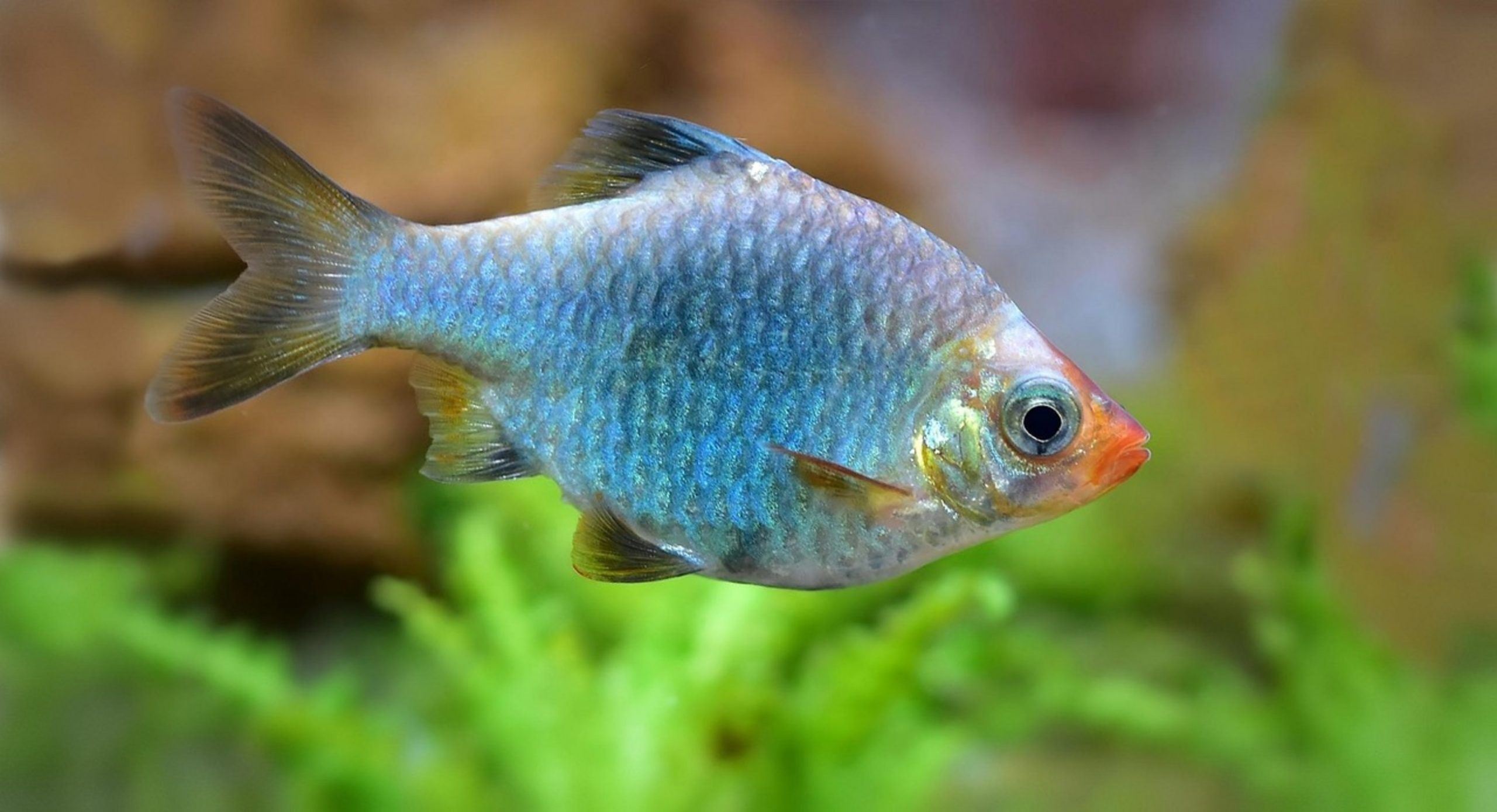
Rosy barbs is active, colorful, and hardy. The orange on those fin really pops from the backdrop of a dark substrate. Hardy doesn’t necessarily translate to “indestructible.” In fact, they needs certain things to stay healthy.
To do that, you have to realize what those thing are, and then work with your water temperature rather than against it. You’re dealing with a dynamic system. It’s dynamic seasonal.
Maintaining Ideal Water Temperature
The first thing you have to do is get a handle on temperature. Rosy barbs are very comfortabley in temperatures ranging from 64. 72 degrees Fahrenheit. Below this they become prone to sickness because their immune system doesn’t work as well.
Above this they becomes stressed. It’s rarely the winter chill that’s the problem. Inside most homes, the temperature stay well above freezing.
The real threat is during the summer heat. Direct sunlight on a tank will make it far to warm for comfort. Monitor the ambient air temperature of the room.
Use a fan to help cool the surface of water if necessary. Coldwater fish don’t die quickly from the cold. They die fast from excessive heat.
Managing Water Quality in Cool Tanks
Cooler temps also increase the importance of water quality. As the water cools, biological filtration will slows. Water will not be processed at its previous rate.
Beneficial bacteria is less active. More waste builds up than what can be handled by the tank. The tank needs to be cleaned, but regular cleaning shocks the beneficial bacteria.
So… how do you handle this? The key is balance. Change water more often, but in smaller amounts.
Only remove ten to fifteen percent of the water at each change. That will keep your parameters stable. This prevents the beneficial bacteria from collapsing when temperatures fluctuate.
The key are stability. Rosy barbs have a very flexable metabolism depending on the temperature. In colder water, they digests slower.
Adjusting Feeding Based on Season
Don’t overfeed them in winter! The fish won’t be able to process all that food. This will cause spikes in ammonia level and make your water cloudy.
Cut back on the portion size. Feed quality pellets/flakes sparingly. Sometimes just a bite or two every other day is plenty, especially in the coldest months.
As temperatures increase in spring, you can feed more. Observe the fish. If they eagerly swarm the surface, then they’re hungry for more.
If they leave any food on the bottom, then you’re providing too much. In a small tank that’s not heated, tank mates makes a difference. There isn’t much room.
Choosing Compatible Tank Mates
When there’s nowhere to go, aggression can increases. Rosy barbs are nippy but they’re peaceful. If they see something slower than themself, the chase is on.
Keep them separate from long-finned fancy goldfish. That delicate tail won’t last long against the barb. Rice fish or white cloud mountain minnows would of been better tankmates.
Both prefer similar temperatures. Both like to swim around actively. Both keep the barb busy without causing aggression.
Variety is the spice of life. Boredom cause fin nipping. It is cause and effect at its simplest.
Decorating with Plants and Lighting
Plants are beautiful but they serves a purpose too. Anubias, for example, or Java fern can thrive in cool water with no artificial lighting. These hardy aquatic plants eats up the nitrates that break down into ammonia.
They’ll also create hiding spot. Because of this cover, rosy barbs will feel more secure. Lower stress levels mean a better immune system.
No need for fancy lighting either. A regular LED bulb is fine. Maintain a steady light schedule.
12 hours on and then 12 hours off will keep your fishs internal clock set properly. It’ll also discourage algal blooms. Algae thrives in warm conditions as well as stability.
Keeping everything moderate will keep your tank clean. What’s so appealing about having an unheated Rosy barb tank? It’s transparent.
You can see the fish, the water, and the ecosystem at work. There are no hidden mechanics. If the water’s clear and the fish are going nuts, then you’ve done something right.
A coldwater tank is just as much a low-maintenance hobby as long as you respect the biology. What goes into caring for a tropical tank should also go into caring for a coldwater tank. The heat has been removed; the care hasn’t.
And that is how you succeed.
