
Perhaps you’ve looked through a catalog at the picture of Redtail Catfish and thought it would be an appropriate size for your 75-gallon tank. Oh, that smooth black body with those red fins! Yep, this should work in my tank, right?
Wrong! Not to say it’s not the right fish for you. It just isn’t for a typical home aquarium.
I’m not saying we shouldn’t purchase these fish. I am saying that we should not keep them in improper environments. You might think of it as just another oversized tetra that needs more space.
Why Redtail Catfish Are Bad Home Pets
Why Redtail Catfish Don’t Belong in Home Aquariums
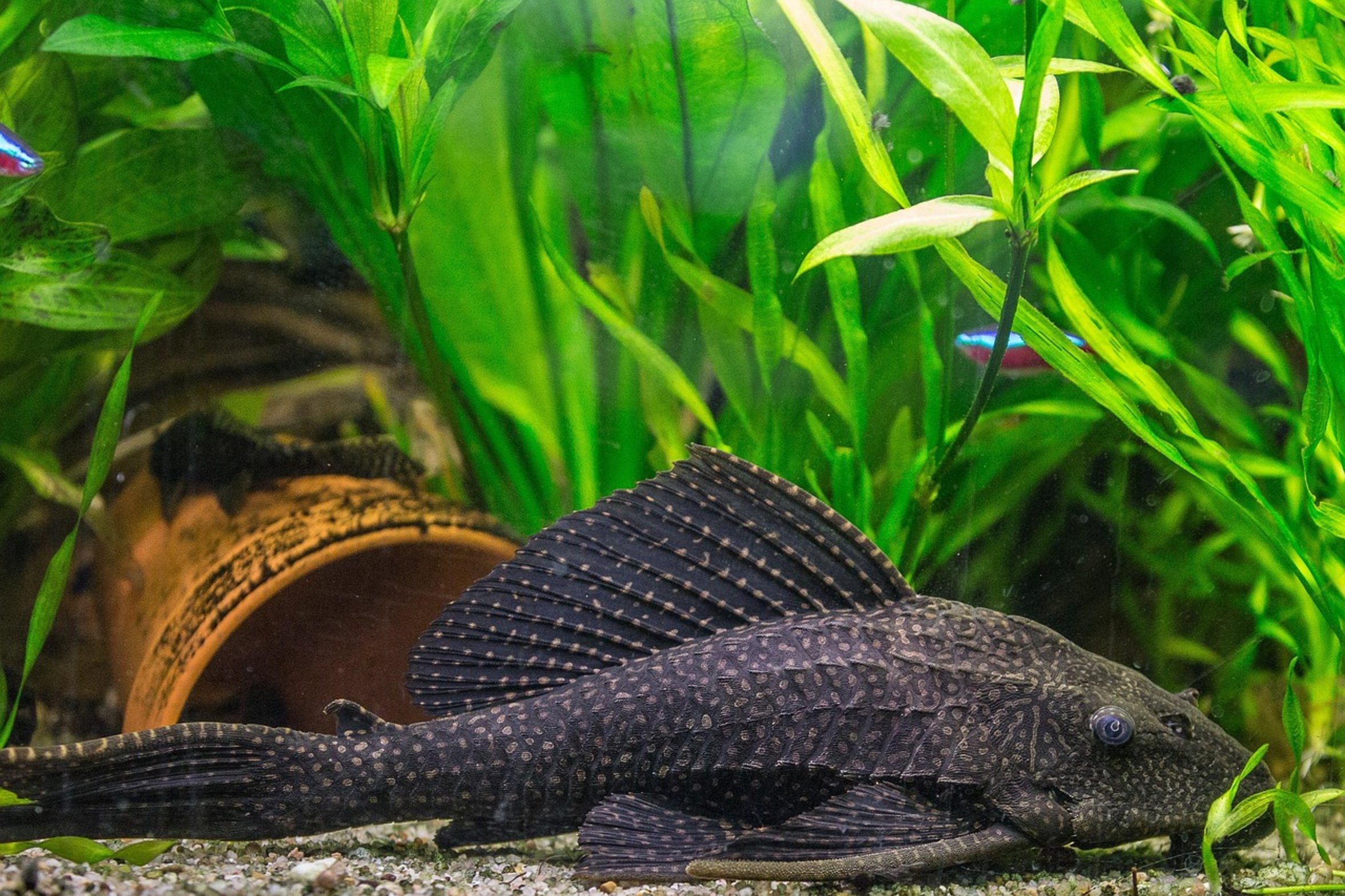
That’s where your thinking go wrong. A Redtail Catfish, *Phractocephalus hemioliopterus*, is built for the massive rivers off Amazon. Keeping one at home is akin to bringing a small boat motor into a house.
It’s an animal vs. Human environment mismatch. The obvious portion of the problem are size. Not only do these fish generates copious amounts of waste, they’re big, active, and they produce heavy waste.
The Infrastructure Problem of Keeping Redtails
Biological loads of mature Redtails exceed what typical home filters can manage. Buying a more powerful filter will not be the solution. Such equipment is expensive, loud, and large in size.
The electrical demands, the plumbing requirements, and even the floor reinforcement needed for such a setup exceed most home capacitys. Those who want to keep them often refers to some of the few successful examples. Those are the hobbyists who constructed custom backyard concrete pond.
Yes, a backyard pond is not a home tank. Constructing one takes considerable work and becomes its own dedicated infrastructure project. Compare a pond to an aquarium.
That’s like comparing a highway to a parking garage. One is scaled and designed for storage. The other are scaled and designed for flow.
The Redtail belongs in the river. In a home tank, they will suffer stress, get sick, and die sooner then later. In the first, they will suffer stress, get sick, and die sooner then later.
As that fish matures, so does the price of your mistake. Yes, you’ll upgrade your tank several times, each time postponing the day of reckoning. You’ll cycle through a string of filter and carbon before you’ve earned enough money to replenish them.
Sooner or later, the fish is just too big to be sold or returned to LFS. By now, it’s simply too valuable to be released back into the wild, where it becomes an environmental hazard. Choices vanish and you’re stuck with a dilemma without a solution.
The Reality of Stunting Redtail Catfish
But some will say you’re doing them a mercy by keeping it stunted. That’s a dangerous myth. Many times stunting result in severe skeletal deformities and organ failure in catfish.
What most don’t realize is that a small tank does NOT make for a happy, compact Redtail. A stunted Redtail are a sick little animal suffering in silence. The environment affects how they grow, not what they need.
A stunted Redtail still has the same waste output and digestive capacity as a bigger one. Regardless of its physical size, water quality suffer. Or, consider some manageable and beautiful alternative catfish species.
Better Alternative Catfish Species for Home Tanks
Check out the genus *Synodontis*. There are some neat species here with good size for community tank and interesting behavior. Consider some of the larger *Corydoras* as well for a nice addition to the substrate without the need for huge equipment.
Standard set up works great with these guys. No chance of disaster and lots of pleasure instead. It’s no wonder the Redtail has such appeal, the creature is majestic.
But just because something is majestic doesn’t make it fit for keeping as a pet. Anyone who chooses to keep one because of that majesty are putting an aesthetic fantasy ahead of animal welfare, and nearly inevitably will end up regretting their decision. The place for the fish is in the river.
It’s not the Amazon and your house isn’t the Amazon either. That understanding is what make someone a responsible hobbyist. Keep the dream but let the fish go back to the place it realy lives.
