
So you’ve made reservations at hotels, booked flights, and now it’s time to get out from under your every day job. There’s only one problem: you forgot about your aquarium! While you’re gone, your tank remain alive.
How To Prepare Your Aquarium For Holiday
Understanding Aquarium Ecosystem Stability
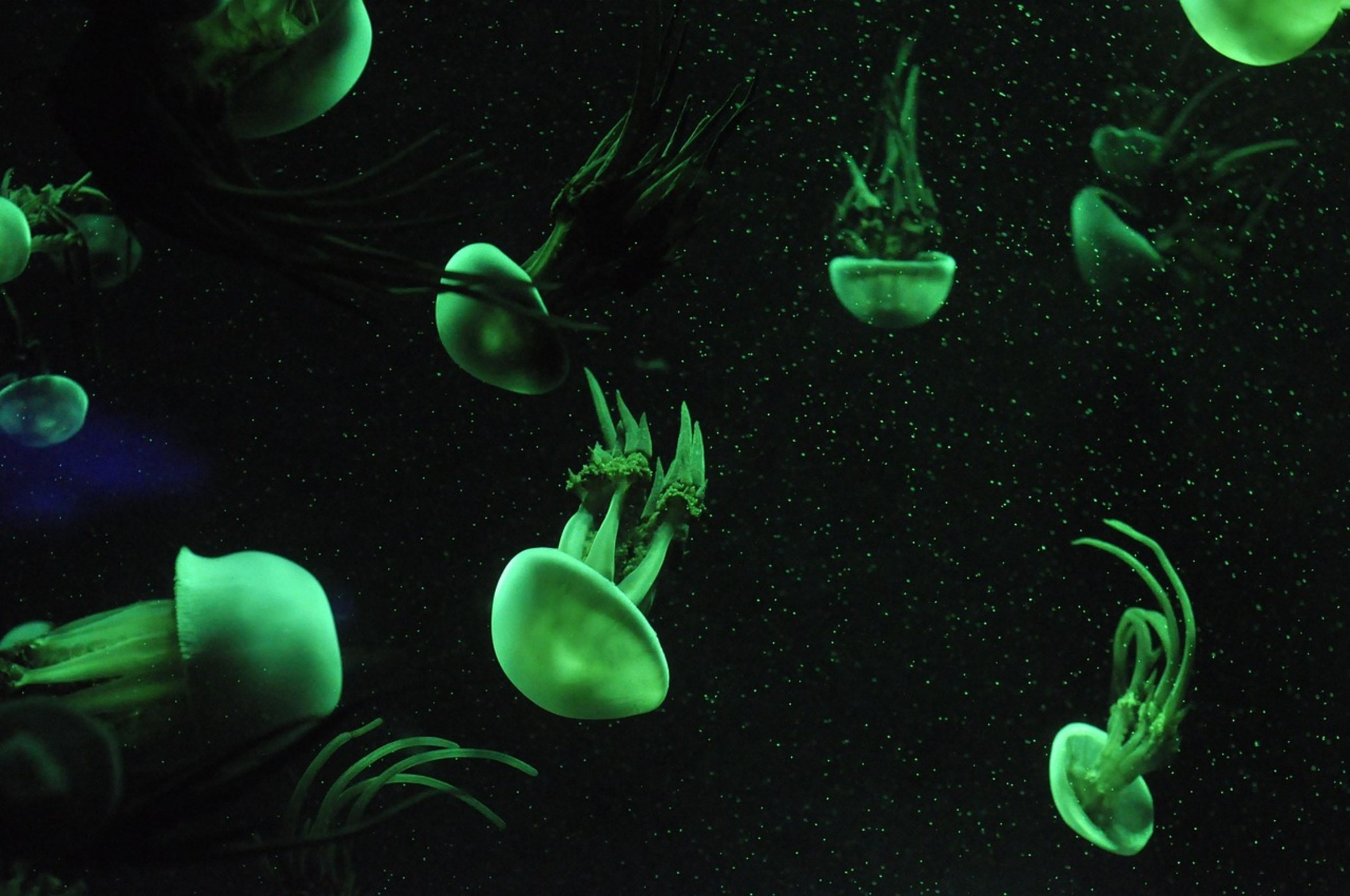
It’s an ecosystem in motion. Water chemistry doesn’t stop just because you aren’t around. Fish is eating, plants are growing, and bacteria is working through waste.
What will you do? Without a plan beforehand, you’re leaving your fish’s well-being to luck. It’s risky, A neglected tank can go belly up in no time.
Filters gets clogged, glass get covered in algae, and ammonia spikes will kill off those more sensitive fish. You do not want to spend your sunset watching a video of your dying angelfish. Your job is to maintain it as close to perfect as possible, but stable is better than perfect.
You want a system that require minimal maintenance. You can’t do that at the last minute right before you leave. Preparation starts weeks ahead.
What you do now will give you peace of mind later. Safety involve timing. Most aquarists make the mistake of treating their tank the day they leave, but that is actualy dangerous.
Pre-Departure Water Chemistry Testing
However, that is stressful and stress makes fish more susceptible to disease. If the fish are stressed and weakened, they’ll get sick sooner. Two weeks ahead of your departure, begin modifying the feed schedule.
Slowly decrease how much you’re feeding. Less food = less waste. Less waste = less ammonia produced.
That, in turn, will help keep biological filter clean. Starving the fish isn’t what you want. They won’t starve if you don’t feed them for a few days.
But they will die from high ammonia. Lastly, test your water. No. I don’t mean a water change.
Yes, I do mean test the water chemistry. The water needs to be clean, first of all. But beyond that, are the chemical parameters okay?
Are nitrates, nitrites, and ammonia at acceptable levels? Is pH correct? Is the temp where it should be?
Correct anything out-of-whack ASAP. Don’t delay. You want the water to be clean when you depart.
Final Water Change and Filter Care
Three days prior to departure, perform a major water change. This will reset nutrient levels and remove toxins. For accurate readings, use a good test kit.
Those cheapie strips provide false info. Know exactly what conditions are when you leave. A predictable tank is a stable one.
Yes. But take care when cleaning. Scrubbing away the algae and glass is okay.
Not so much the filter media. Many people make this mistake. The filter contain good bacteria which keeps your water safe.
If you wash it with tap water, it will kill the bacteria (because there’s chlorine in it). If your filter sponges gets clogged, rinse them only in old tank water. Squeeze gently to dislodge the debris.
Leave the biological part alone. It’s doing its job. Often a slightly dirty filter is a healthy one.
Reliable Fish Feeding Solutions
How do I feed? Some feeding is more reliable than other forms of feeding. Automatic feeders can be good if you make sure they are tested first.
Run automatic feeder while you are at home for three days. Carefully adjust portion size. Too much food will rot and foul your tank.
Less then what the fish need will cause starvation. Ask a neighbor to assist and make certain you explain everything clearly. Tell them specifically how much food to feed.
Most vacation deaths occur because of overfeeding. Kind neighbors tend to throw in way too many pellets. Write out steps and tape to the tank.
Expect that they won’t know how much to feed.
Equipment Safety and Lighting Control
Safety of equipment and lighting. Turn off non-essential lights to prevent excess light from fueling algae growth.
Algae grows, clouds the water, and competes with plants. If you have lights, set up a timer to turn them on and off. Keep the light schedule consistent.
Typically eight to ten hours daily is sufficient. Inspect all equipment for damage or leaks. Is the heater functioning properly?
A broken heater will shock your tropical fish. A broken filter will suffocate them. Are cords secure?
Water and electricity don’t mix. Avoid accidents by double checking your setup.
Post-Trip Recovery and Observation
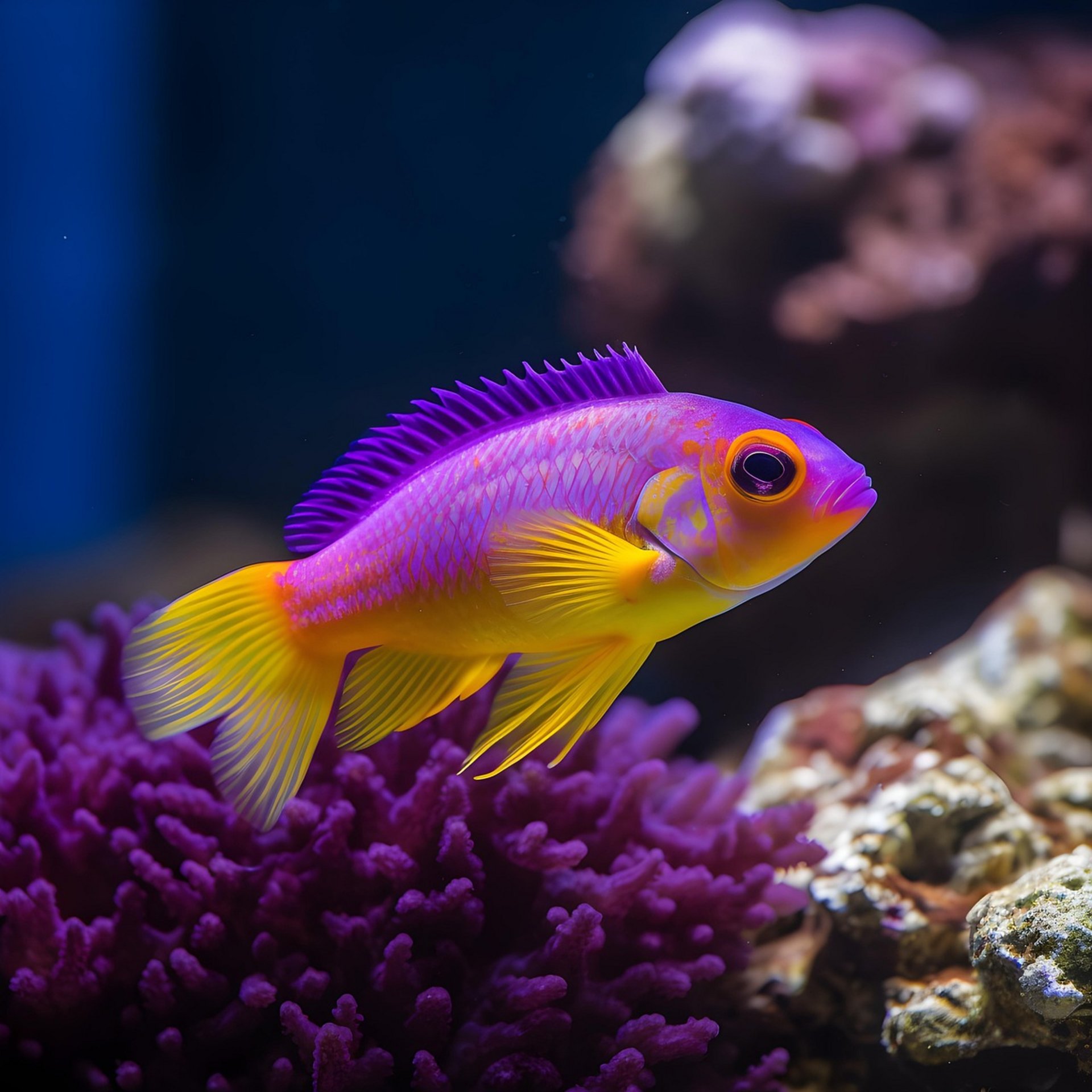
Don’t just jump right back into your usual routine when you get home.
The tank has been on a different schedule. Slowly ramp up feeding over the next few days. Check water again.
Observe behavior of the fish. Are there any signs of illness or stress? Don’t jump in.
Let the tank adjust if necessary. Sometimes it takes time. Being there will make them more active.
Allow them to have some space. You don’t want to shock them or throw off the balance too much. You got to take a break and so should your fish.
They made it through your absence. Now they need some gentle care to help them calm down. You cannot rely on technology alone for a holiday in an aquarium.
Preparation requires patience. Anticipate potential issues. Trust your biological set up.
Your world was made to function; now let it. Fill your bags knowing that all will be well. All will remain stable, the fish will wait, and you’ll return to a healthy tank (no disaster).
That’s what careful prep produces.
