
The time it takes platy fry to grow varies based off the tank they’re in, their food, and there genetics. So how long does it take? Knowing this timeline will help you ensures that your fry do well.
It’s also important because you’ll know when to step in if something goes wrong, which is typicaly in those first few weeks of life when fry are at they’re most vulnerable. The first week is quick, but that’s a ruse. The Platys gives birth to there young as full-bodied, swimming fish.
Platy Fry Growth Timeline And Safety
Growth Timeline and Vulnerability
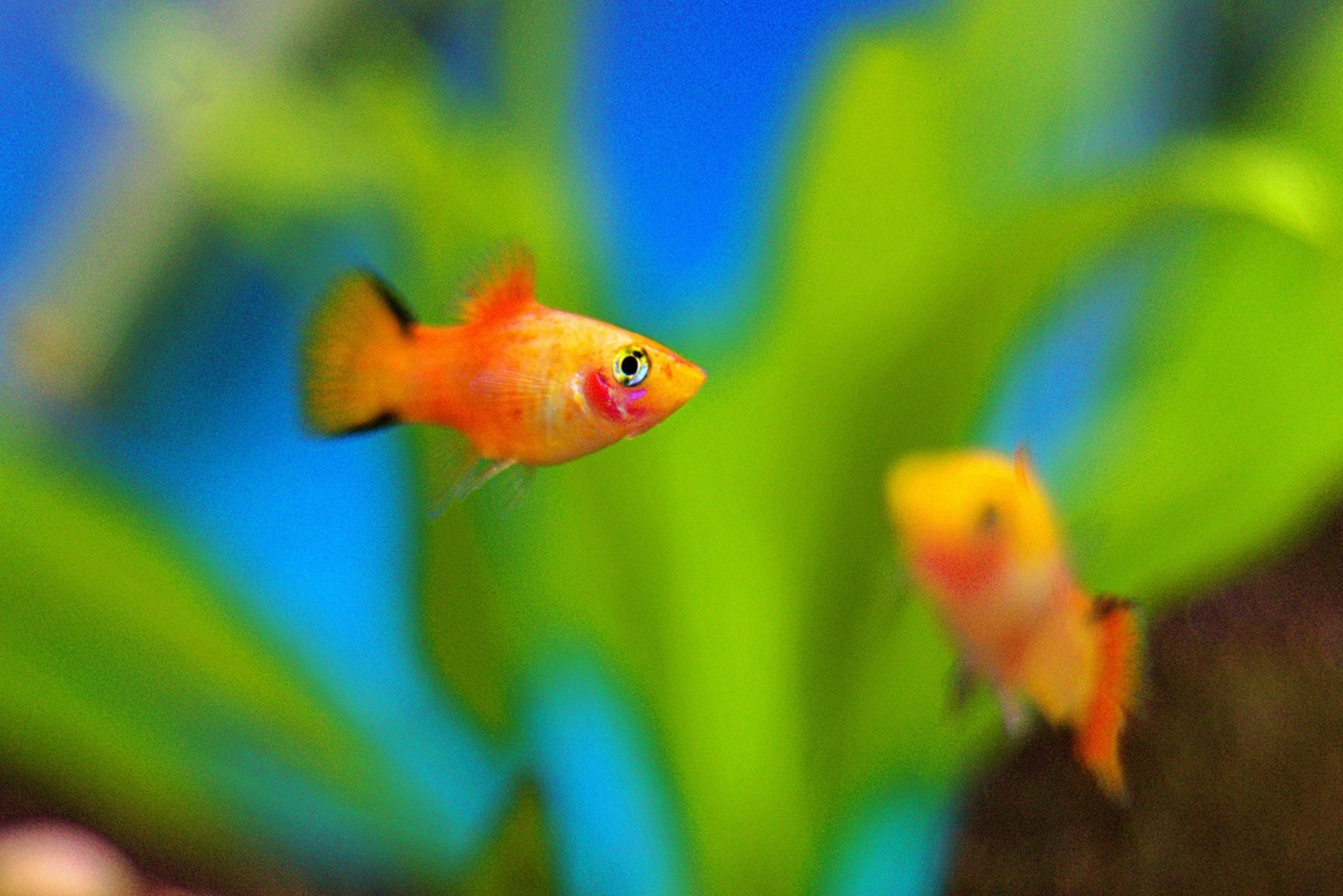
At birth, they’re approximately three millimeters in length, tiny. Within a few days, they may double in length (to perhaps 6-8 millimeters by day seven). Their initial expansion are due to the yolk sac they consume upon birth.
However, just because they grew rapidy doesn’t mean you can relaxes; they remain extremely tiny relative to adult tankmate. That initial size increase is all about feeding strategy. Because the babies has such small mouth, tiny organism or some other specially formulated fry food are ideal.
Feeding Baby Brine Shrimp
Gradually move up to baby brine shrimp (good source of muscle-building protein) or even crushed flake food as the fry gets bigger. If you miss a meal with good food, it takes ’em much longer to catch up. And the slower they go… the smaller they remain.
This means they linger longer in danger zone. You want them to get ahead of the threat-level as quick as possible. What do I mean by relative safety?
To put it simply, most other fish in the hobby (e.g., guppies, tetras) will consumes any item that fits into there mouth. That’s just how they’re built; it isn’t personal. If a fry is smaller than the gape of your biggest tank resident, it’s vulnerable.
In typical community tanks, this occurs between 3-4 weeks old. At this point, you’ll notice them taking on more of a shape and look as “fish”, including coloration. They’re still fragil, but not snack-sized anymore.
Separating Fry from Adults
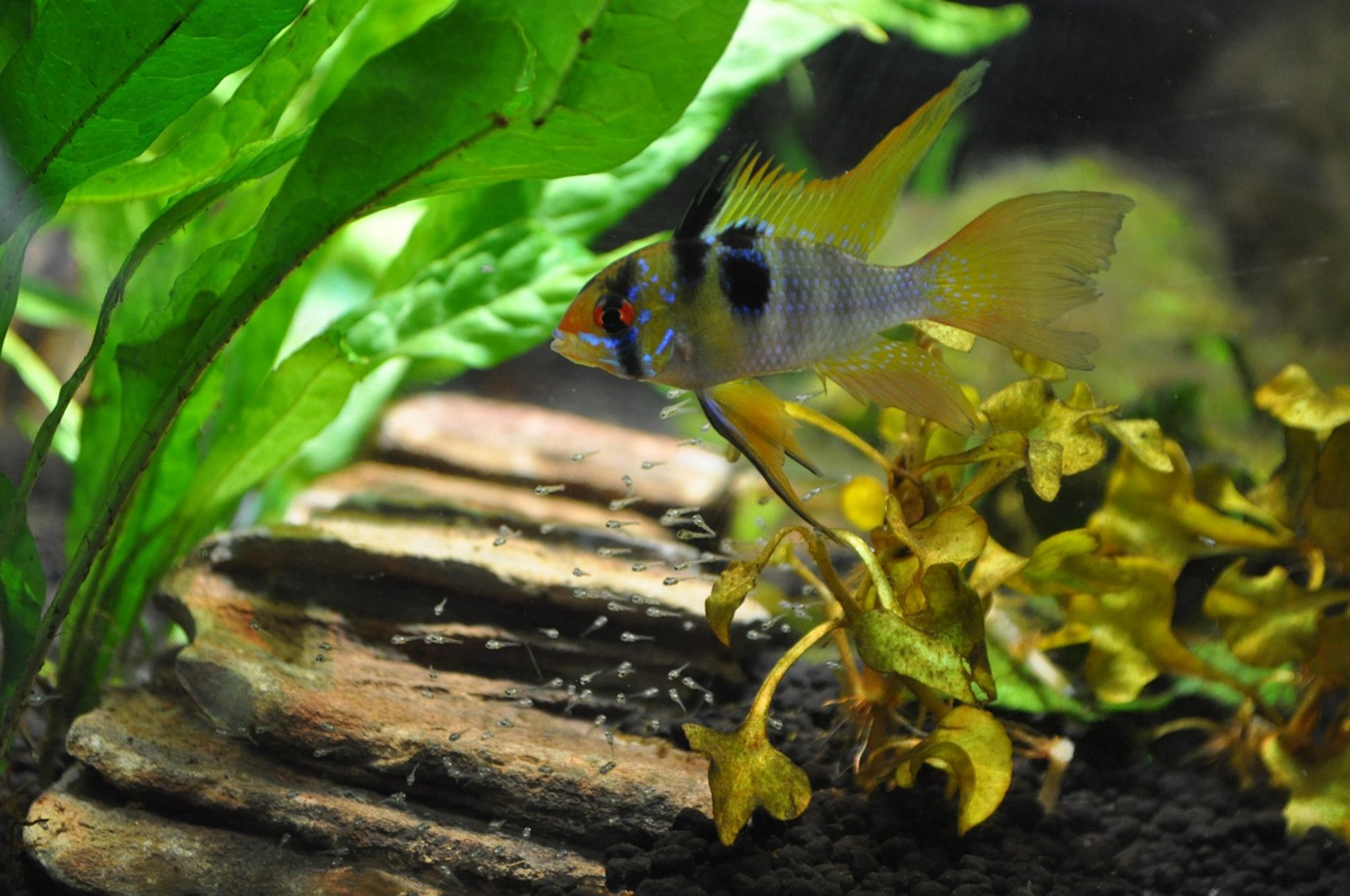
Still, you must be careful if you want to keep them with their parents. Platys is typically docile adults but they’re also opportunistic feeders. Hungry adult platys won’t think twice about eating one of there young.
That’s why separating them are the safest bet. Your options include a dedicated fry tank or a breeding box. While the former provide specialized care, the latter keeps fry in proximity to the main tank.
Either way, your fry won’t end up accidentally ate. Which option works best for you depends on how much tank space you have available as well as how closely you’d like to watch over them. Their survival rate depend on something else: water quality.
Maintaining Water Quality
Like adult fish, fry excrete waste. However, since they’re much tinier than adults, they’re more prone to spike parameters (i.e., ammonia & nitrite). These contaminants is absorbed into there bodies more easly.
To maintain stable parameters, regular and relatively minor water changes needs to be performed. A tiny change can impedes their growth or make them sick. Stability allow for proper development of there immune system while also promoting consistent growth that help them achieve safe size.
Color Development and Reintroduction
It also indicates how well they’re doing because the color development is something else you can see. Platies are usually a little translucent and drab when young (less than 2-3 months old), but then you’ll begin to notice there own individual breed colors emerging. The Red Wagtail begins to show some white and orangish coloring, while the Black Mickey Mouse pattern become clearer.
You know they’re growing well if you start seeing that change visually. If not, check your water conditions and there diet. Their appearance reflect good nutrition long before it does there size.
The young ones eventually grow up and becomes big enough to rejoin the general population. Introduce them at about a centimeter or better, and allow them to get acclimated gradualy. By that time they’re big enough to hold there own in competition for food and fast enough not to get bitten by accident much of the time.
And then it starts all over again with next generation, and you’ve grown them from those fragile specks to robust community fish. You should of watched them closely.
