
The water evaporates, so that’s why you need to top it up once or twice a week. To do this you get out your bucket, turn on the tap (to let the chlorine dissipate), then pour it into the tank. It only takes a minute or two but it makes sure environment is stable.
Knowing what cause the water level to drop makes you aware of a possible danger, a leak, vs. It is something that can be easily fixed. It also allow you to maintain stable water parameters for your fish. Specific gravity will also rise as evaporation causes mineral concentration.
If you don’t compensate for this your fish will be stressed.
Understanding Aquarium Water Evaporation and Maintenance
Why Water Evaporates and Top-Off Routine
Water loss depends on different factors, but the most significant variable are surface area. The greater the surface area, the faster water evaporates.
Factors Affecting Evaporation Rate
In other words, a tall narrow tank loses less water then a shallow wide tank. Consider a 100 gallon reef tank. Because the surface area is lower compared to amount of water, it loses less total water (though perhaps not “less” water by volume).
That same 10 gallon betta tank may lose a quart a week due to larger surface area compared to the amount of water. Small tanks should of being top-offed more often for that reason.
Impact of Heat and Airflow
Evaporation depends on temperature as well, with warm water evaporating quicker then cool water.
So if you have a tank that’s set up for tropicals and it’s eighty degrees in there, you’ll lose more than someone with cold-water tank who keeps their tank at sixty-five degrees. The heat lamp make this worse as they also cause thermal current to pull moisture from the tank into air. Many hobbyists attribute this loss to their filter spray.
The problem isn’t the filter, though… It’s the heat. Reducing the temperature of the room slow the rate of evaporation.
This provides a balance between how comfortable you want the fish and how much work you’re willing to do to maintain them.
Humidity and Room Environment
Room humidity also matter. If you live in an air conditioned environment or a dry climate, you’ll need to top it off more frequently.
Air that’s realy dry aggressively pulls water from the tank surface. On the opposite end of things, say you have the tank in your bathroom while you take a shower and the air is already saturated with humidity, then the evaporation rate are much slower. The tank will retain its water longer.
If you’re confused about how much water you’re losing, check what the humidity level is like where you live, as sometimes it’s not the tank but the house causing the issue.
Reducing Evaporation with Lids
Many don’t know how important airflow is. A powerful fan blowing over surface removes water quickly.
That’s why open tanks evaporates so much water. Even a small amount of airflow from an AC vent will increase evaporation. Because of this, many aquarists employ lid to reduce evaporation.
A glass lid retains the moist air above the water, which essentially forms a microclimate that drops the evaporation rate by half or more! Lids not only conserve your water but also save you time. Just make sure that you don’t trade your tank’s oxygen needs for less evaporation.
Identifying Leaks vs Evaporation
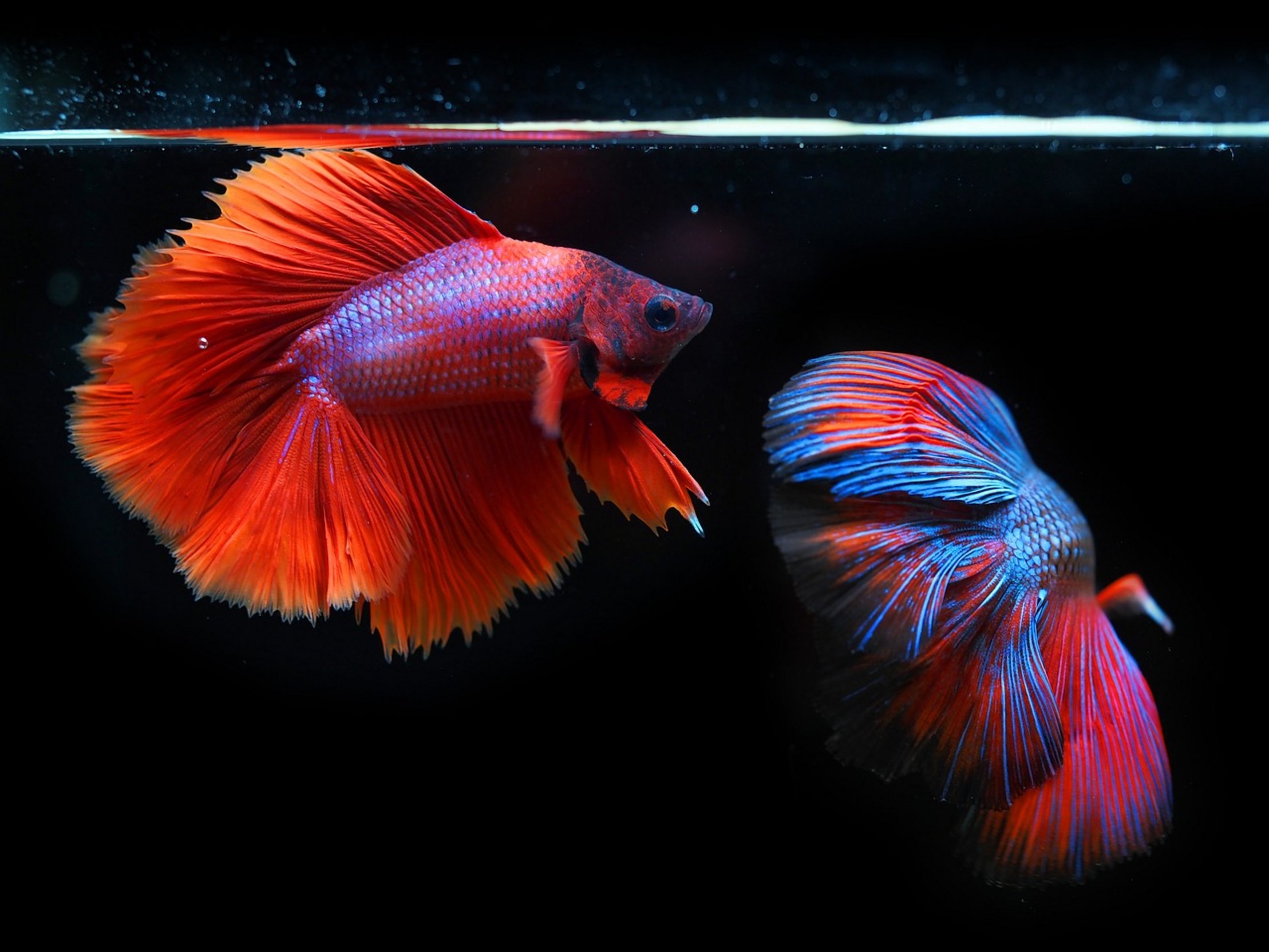
A leak will pool water behind the stand or under the tank. The water level may be lower on one side than another. Evaporation leaves an even drop in the water line.
When you see white crust on your glass, it’s not a leak… it’s evaporation. Dampness on the floor isn’t evaporation, it’s a leak. You can end up adding gallons of water to a leaking tank.
That can result in a collapsing stand. Checking the glass for cracks and the silicone seals around the tank only take ten minutes. This gives you peace of mind.
Proper Top-Off Water Types
Replace the lost water with dechlorinated water of equal volume (top off) but don’t change the water’s chemistry. Unless you are using properly mixed salt water, never top off a marine tank with tap water. Salt will get diluted and cause osmotic shock to the fish/inverts.
If you have a marine tank, use distilled water or RO water for the top-off. In freshwater tanks, simply use tap water conditioned with an appropriate product. Consistency and simplicity is the keys here.
The Joy of Aquarium Maintenance
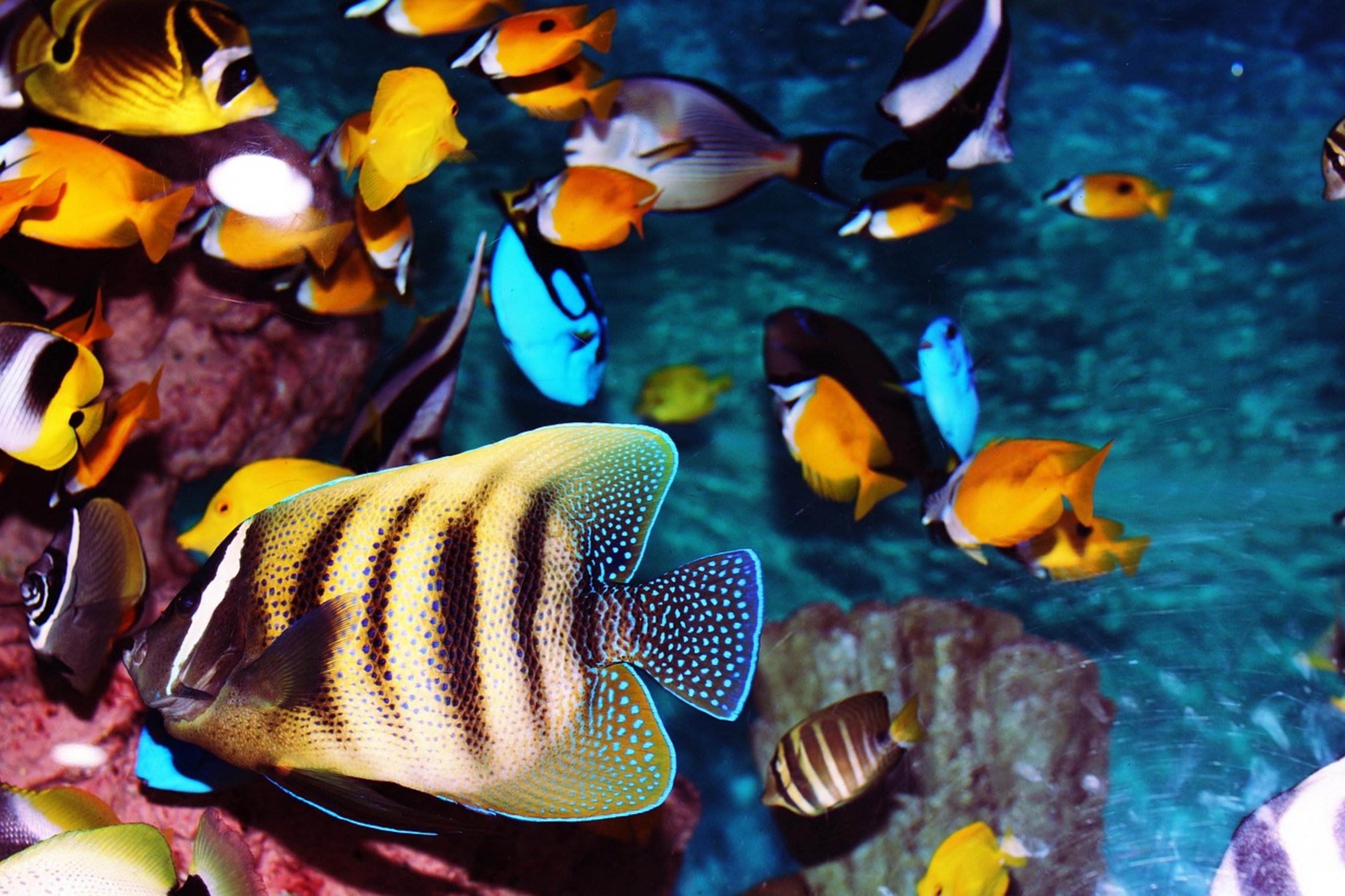
As time goes by, you learn the rhythm of your tank and the routine becomes part of the hobby. You notice the line on glass and know it’s time for some water. The fish swims up to greet you to see what’s going on.
They know when you change the water, it’s time to be taken care of. Evaporation isn’t a bug in the system. It’s actualy a feature that gets you interacting more with your aquatic world.
Life requires maintenance, and evaporation reminds you of that as the water level drop and your connection to the tank increases.
