
It’s fun to get a new fish. You go home with one. You’ve picked out a nice one.
It was swimming fine in the pet shop. You picture it in your tank. Your tank is set up.
Your water are conditioned. With the fish in your hand, it’s tempting to overlook the process. To skip steps.
But one of the things people often skip is quarantine. Maybe you think you’re saving time. What you’re realy doing is exposing yourself to risk.
Why Every New Fish Needs Quarantine Time
The Dangers of Skipping Quarantine
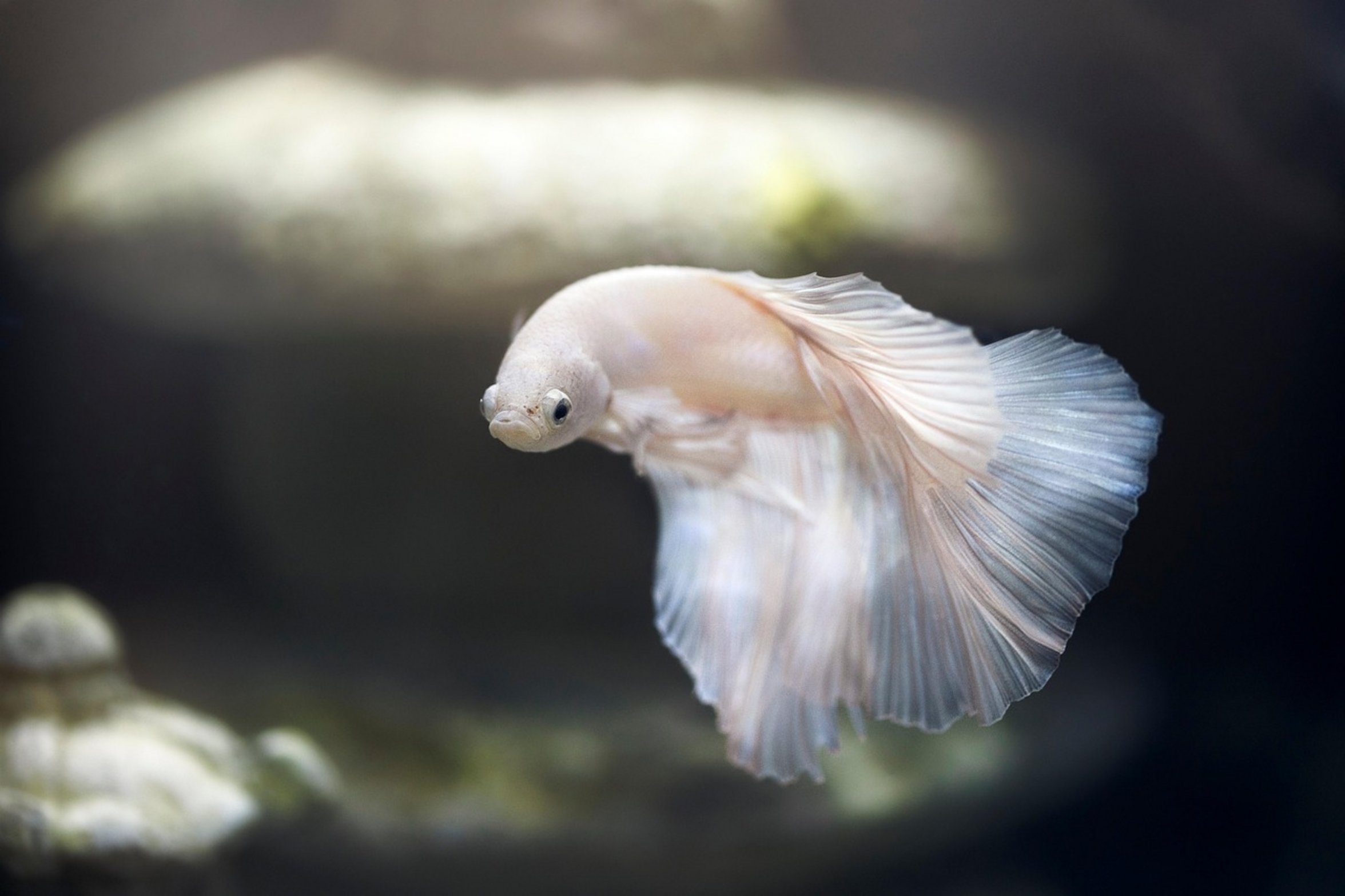
Even if a fish look healthy, it could be carrying a disease that only becomes active under the stress of being moved into different tank. That can lead to an outbreak in your main tank that damage all your other fish. Isolation; Isolation is a quarantine period for new fish.
This is a two-week period to observe the new fish separate from your other fish. This two-week period in a safe place help you determine if there’s an issue. This two-week period allows the fish to acclimate so they does not threaten your established tanks.
Quarantine is not a punishment… it’s a precaution. Just because the fish appears healthy doesn’t mean it is healthy. Some diseases is caused by bacteria or parasites, and it can take weeks for signs to appear.
When you pick up the fish from the LFS, there isn’t enough stress on them yet so they appear healthy. Then once you put the fish into your main tank, the stress hits its peak. Now the new fish start spreading the disease to your existing fish.
Your other fish aren’t immune to this new sickness. For example, plecos or corydoras is generally marketed as rugged and disease resistant. These fish may carry diseases such as ich or anchor worms but do not show symptoms.
They becomes hosts for the disease. As soon as you put them into your community tank, they will expose your more vulnerable fish (e.g., discus, bettas) to the pathogen. How easy these fish get sick varies significanty.
Setting Up a Simple Quarantine Tank
A quarantine tank does not have to be complicated. It can simply be a ten gallon tank with a heater and a sponge filter. There’s no need to spend big bucks on fancy decoration.
Remember, you want to keep the fish alive. You also want to see what’s in there. Simple equipment that is easy to clean up make it easier to use frequently.
Monitoring Health and Treating Disease
Keep an eye out for subtle indicators within the next couple of weeks. White spots on finnage or rapid gill action can suggest parasites, while cloudy water may indicate an increasing bacterial load. Treat the quarantine tank with some meds if you spot any problems.
Try something such as Kanaplex (for bacteria) or praziquantel (for parasites). In quarantine, you can use high doses since you don’t have delicate plants to worry about. It is also very helpful to be flexible.
Managing Social Fish During Isolation
Will quarantining stress your social fish? There are some who believe that it does. Keeping your Harlequin Rasboras or Neon Tetra separate from their school can be stressful and even dangerous.
For those species requiring company, you might consider keeping a small school together in quarantine. If they require others to feel comfortabley and secure, don’t leave them by themselves. Remember: you’re trying to maintain health, not inflict pain.
Weigh the risk of infection against the need for company. It’s worth the extra effort for the peace of mind. Make sure that new fish is healthy before you add it to your main display.
Your existing fish is safe. The little bit of time this requires protects your financial and emotional investment. It turns your tank into a safe place instead of a risk.
Take the time to quarantine. For years, your fish will be healthy and swimming well.
