
In a planted tank nerite snail do a good job at removing algae. This mean you don’t have to feed them additional food and maintain clean plant and glass. This is why many hobbyist use nerite snails in their tanks.
However, there’s a drawback… The white eggs. There are small cluster (hard like rock) all over glass, hardscape, and leaves.
They look like fish egg but they feel harder. Because they look like fish eggs, new owner might be concerned about having their tank being infested with baby snail soon. For experienced owners, the eggs is just one part of keeping Nerites.
Understanding Nerite Snail Eggs And Removal
Why Nerite Snails Lay Eggs
Yes, you’ll have eggs as visual clutter, but you also has clean glass. To understand the egg, you have to know a little about *Neritina* species’ biology. *Neritina* are marine snail.
Their ancestors originate in salty waters of ocean. Their larvae need salt to becomes free-swimming juveniles. Your typical freshwater tank isn’t that kind of environment.
That’s why the female snail lay eggs. She has no choice. It is in her biology to spawn.
The problem is that water doesn’t contain right chemistry for larval development. Every week on the glass of your aquarium there’s a mismatch between adult and egg. Eventually, the eggs will become too obvious to ignore.
They aren’t food so your tetras won’t eat them, though shrimp will pick at them. Because of their size, regular gravel cleaner can only do so much in terms of vacuuming them away. Over time, those eggs builds up.
A tank that was pristine six month ago might now look speckled with tiny white polka dot. If you have a showcase tank this could prove very distracting. If you’re particular about how something looks, the spots will bother you.
Manual Removal of Nerite Snail Eggs
Some hobbyist try to remove them manually using a toothpick or a soft brush. Scrape eggs off surface using a soft brush, toothpick, etc. It’s tedious. It seem endless.
It’s tough going picking each egg off. They stick well to wood and glass. They’re meant to withstand water current in nature.
If you do this, you’ll end up spending much more time picking them off then you spent fighting algae. Often it wouldn’t of be worth it.
Fish That Eat Nerite Snail Eggs
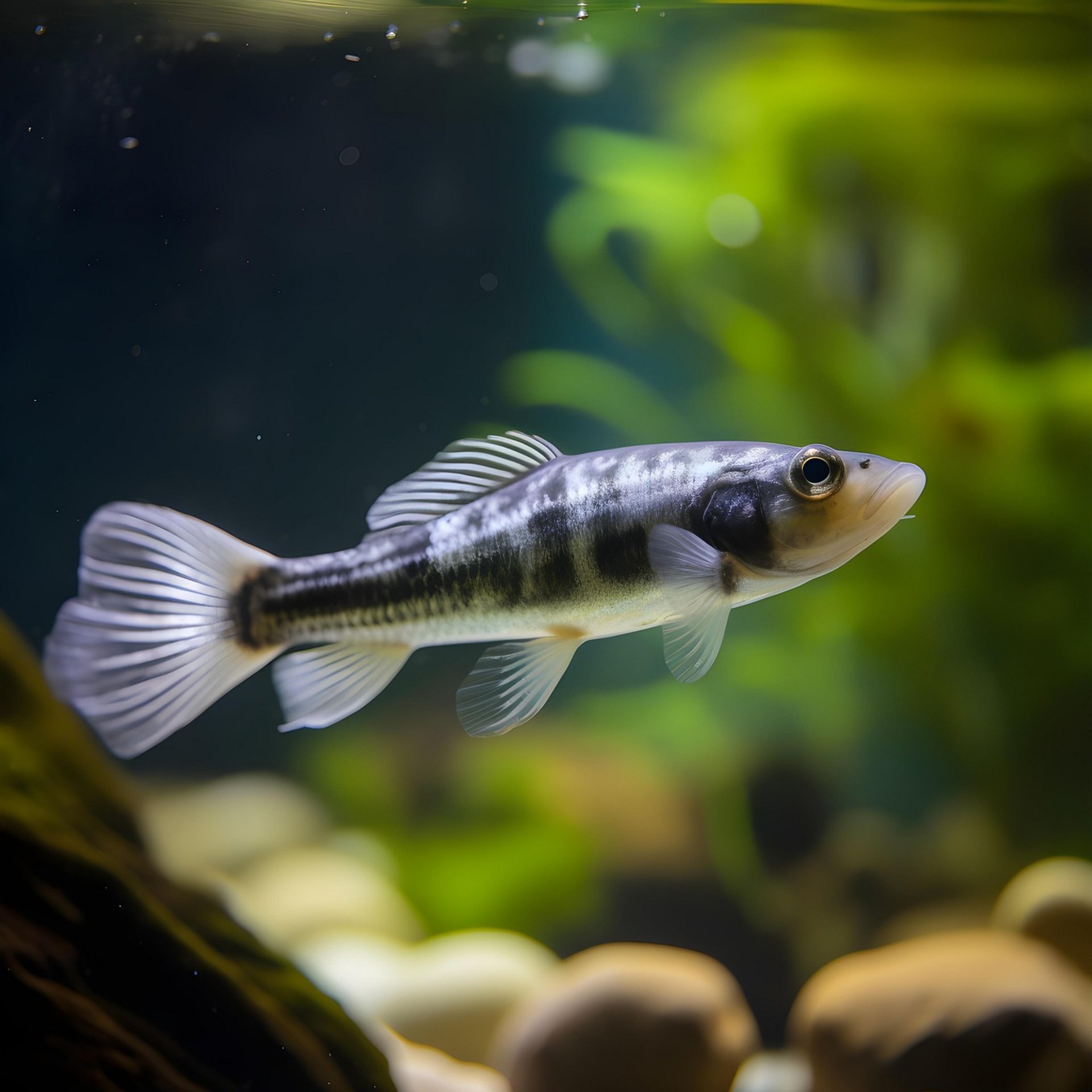
Some fish species is known as Nerite egg-eaters because they consume Nerite eggs.
A popular option here is Chinese Algae Eater. These will pick at the cluster, but it does reduces their number substantialy. There’s a caveat with this solution.
As these fish mature, they gets big and can be quite aggressive. If there isn’t enough area for them to graze, they might start bothering other tank inhabitant. What you’re doing is replacing one chore with another possible behavior problem.
If you design your tank correctly, this can work.
Shrimp as Egg Controllers
A more gentle option is shrimp. Some type of Cherry Shrimps will eat the eggs.
Amano shrimp will too. They are not quite as effective than fish but provide constant cleanup. They are generally peaceful and small in size.
But their effect is subtle. You’ll still see egg but not nearly so many. It is not a complete solution, but it is a way to manage problem without introducing a large predator.
Living with Nerite Snail Eggs
To wrap up Nerite snails are a great bargain as long as you have reasonable expectations. Yes, there will be some spots on your glass from time to time. If you can’t stand that, then it might not be worth the expense.
They’re very effective cleaner in spite of their small size. If you expect a perfect-looking aquarium without lifting a finger, these might not be for you. Decide if you want the clean (efficiency) or the pristine (cosmetic).
It’s an easy math equation of needs. Owning Nerite snails means dealing with their egg. It’s the price you pay for having some good algae eater.
You can accept it, deal with it, and live with it. Appreciate the clean glass that your tank gets. Enjoy a healthy ecosystem and white spots aren’t so obvious anymore.
They’re little and they stick around. They’re also naturaly.
