
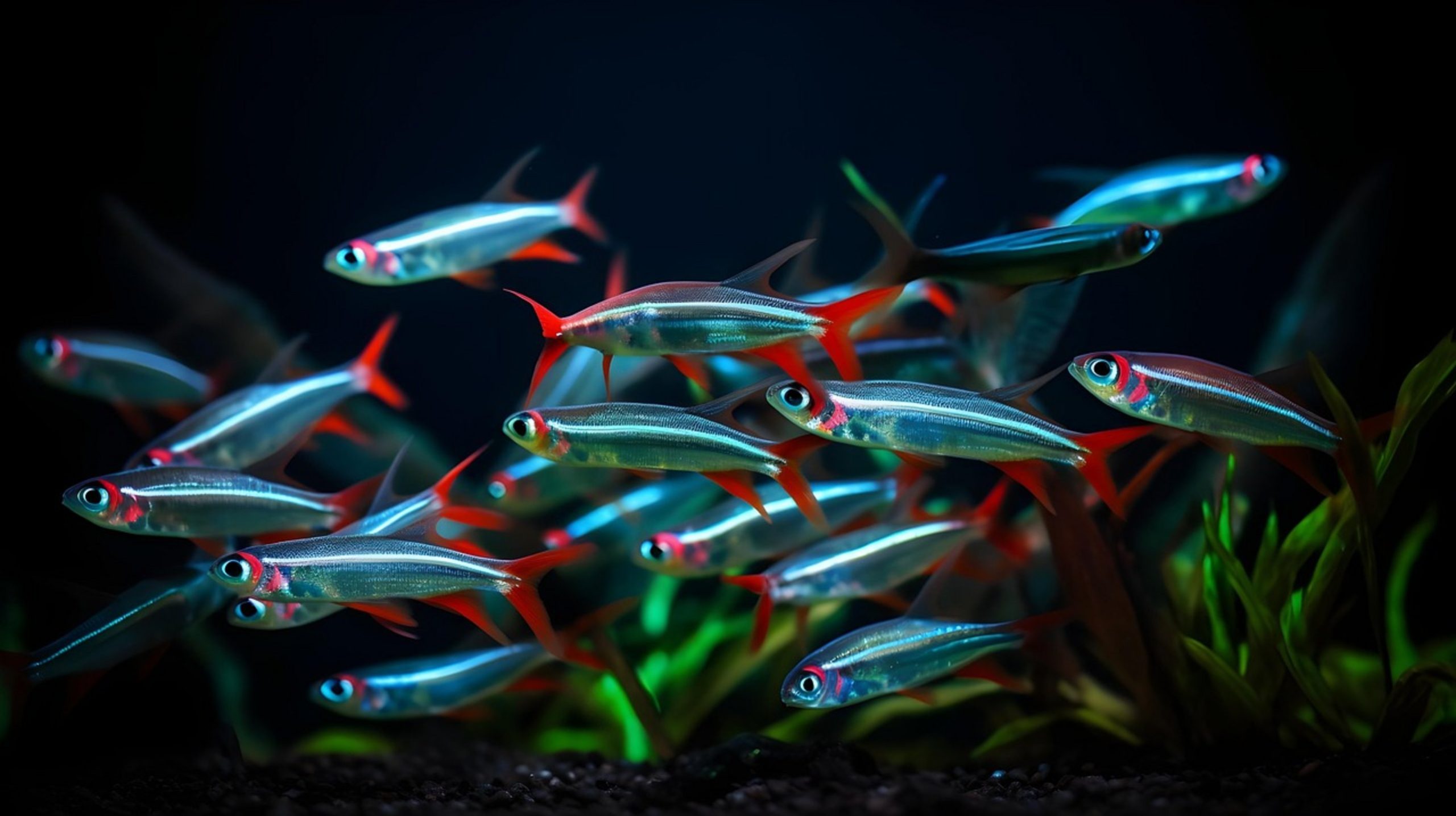
Healthy neon tetra shows off with its electrifying coloration of electric blue and crimson. That’s why you have them. To be honest, they’re beautiful.
And, they school together reflecting light. But then the colors dissapears. That vibrant red stripe dull to a muddy pink.
The bluish body starts to go gray. The fish aren’t dead, yet. They’re still alive.
But, they’ve lost their shine. New keepers does this. Experienced keepers do this.
What causes this? Why does it happen? It’s not just a cosmetic phenomenon.
It’s more than a visual indicator… It’s a biological indicator of distress. So, what’s causing this?
How can you fix it? Test the water chemistry. Check the stress level.
Causes of Color Loss and Restoration Tips
The Impact of Water Parameters
The main reason for loss are water parameters. Neon tetras originate in Amazon Basin where the water is acidic (pH 6.0, 7.0) and soft. If your tap water is alkaline or hard, that’s causing chemical shock.
Stress will weakens their immune system. The fade conserves energy. The fish fight the environment, and you can’t expect them to show bright colors.
Test your water. When the pH is greater than 7.0, the tetras will be dull. Even though it may be hard, you need to adjust the pH.
Schooling Behavior and Tank Mates
Similarly, the same amount of stress come from what you put in your tank; both tank mates and space. Neon tetras are a schooling species. In the wild they live in big numbers.
By themselves in a tank, they’re nervous. Keep them in group of at least six. The fewer the fish, the more anxious they’ll be.
Aquascaping for Security
And, anxious fish don’t shows color. Group size is just as important than how you set up the tank. They feel vulnerable in open water.
Plants, especially dense ones close to the surface, gives them a sense of security. Plants like java moss or cryptocoryne creates visual barriers. Fish that are safe will relax and display their colors.
Diet and Pigment Restoration
Pigment expression are affected by diet. Colorful fish requires more than flake food. For health and color, neon tetras should of be fed a variety.
Natural pigments plus protein from bloodworms, brine shrimp, and daphnia is important. These foods trigger their hunting instincts. They also contain nutrients missing in flakes.
It’s sort of like eating a balanced diet. A diet of basic fare will keep you alive, but you won’t be looking so good. For those of you who don’t want to hear that, know this: Red requires certain dietary components.
When they’re absent, the red goes away first. Feed them different kinds of food three times per week. In several weeks, color might reappears.
Lighting and Environment
Color appearance depend on lighting. Colors will be washed out in bright light. Lighter colors makes it easier to see in dim light.
An accent light with blue LEDs can being added. The iridescent blues shows up well while not stressing them. Simple adjustments make it look better.
Maintaining Water Quality
Consistent water conditions matter. Neon tetras does not like ammonia/nitrites. Small amounts of these toxins causes stress.
Keeping the water clean require regular partial water changes. Bacteria develops when the water is stagnant. Having consistent water conditions allow the fish to live a normal life.
Color restoration require time. It won’t happen overnight. Tackle the issues first.
Test the water. Next, check the plants and tank mates. Lastly, adjust the diet.
One action build on another. If they don’t come back right away, please don’t give up on them. Stress has taken its toll on some of these fish.
Then there are others who simply have genetic limits. In most cases, however, the neon tetra is simply sparkling again because it’s in a better environment. Take good care of your fish and they’ll shows you their colors once more.
