
If you frequent any local pet store, you’ve seen them, Molly fish, readily available in “beginner” tank section. They’re active, colorful, and reputed to be tough. Don’t let their reputation fool you into thinking that means they’re simple to maintain.
If you do, you’ll miss fine print. And making assumptions are dangerous business. Toughness isn’t enough; they need stability.
When you go out to buy Molly fish, you’re going to get a low-maintenance pet, right? It is a fish that will forgives your mistakes. Molly fish aren’t invincible.
Most problems happens because they are very sensitive to quick changes in their environment. What they need is understanding. Understanding there needs will help you set up a suitable habitat for them.
Essential Molly Fish Care Tips for Beginners
Debunking the Hardy Reputation
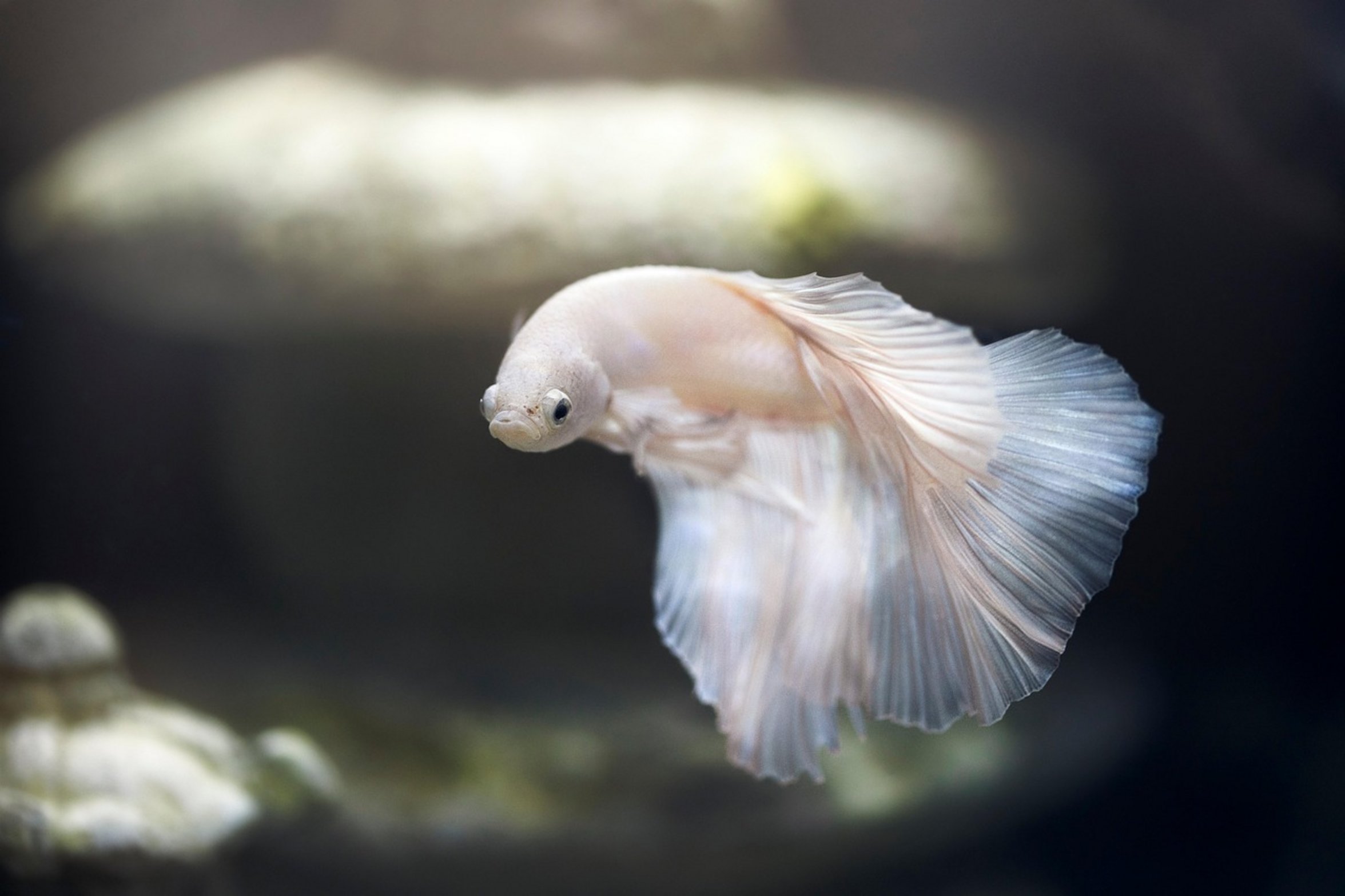
Understanding their biology can separate a stressful tank from a healthy tank. Look beyond those colorful scales and try to understand what makes them tick. A healthy Molly tank rely on proper water chemistry.
Essential Water Chemistry Parameters
Since these fish are naturaly from hard water with lots of minerals, they require good water that’s also fairly consistent in hardness and pH. Stressed bodies weakens the immune system. Stress for Mollies come from soft acidic water.
They will show a weakened immune system by acting sluggish or looking faded. So always know what your water parameters are. The pH isn’t the only number!
General hardness is equally significant. Tap water is generaly okay (let it age), while well water frequently require some buffering. Test your water prior to adding any fish.
More important then getting the numbers perfect is keeping them consistent. Molly care require regular water changes. Period!
Weekly Maintenance and Water Changes
Molly fish generates large amounts of waste. If you don’t make water changes, nitrates will rise rapidly and high nitrates aren’t good in long run. The decline is usually quiet and slow.
Make a 20% water change every week and always include substrate cleaning (e.g., with a siphon). Removing detritus keep your beneficial bacteria colonies healthy and avoids ammonia spikes. Too much water change all-at-once isn’t good.
Sudden temperature changes are worse then gradual increases in nitrates. Molly fish is omnivorous. This means that they need to be fed a variety of foods.
Balanced Diet and Feeding Schedule
Flakes alone won’t make your Mollies look nice. Feed them a combination of flakes and veggies. Specifically, blanch some zucchini or spinach and give those to your Mollies occasionally.
Veggies deliver important fiber to mollies’ diets while helping their digestive system works well. Feed no more than your mollies can consume within two minutes. Remove the excess.
Uneaten food spoils and pollutes tank. Mollies has very strong metabolisms; they’ll demand more food. Don’t give in!
A slightly hungry molly is a healthy molly. Most of common problems with Molly fish arise due to bad water conditions. If your fish have ich (white spots on their bodies and fins), it is a sign of stress.
Preventing Disease and Stress
Treat immediately according to the directions on the bottle; do not deviate. If it looks like fuzzy growth on them, they has a fungal infection which indicates a previous injury or weakened state. Always address the root problem.
Reduce the bioload and improve filtration. Quarantine any new arrivals for 2 weeks; this avoids bringing pathogens into your existing community. Prevention is always cheaper than cure.
If you’re keeping Molly fish, if you appreciate them, then it’s rewarding as long as you know what to provide. Molly fish are community fish. Keep at least 3 together.
Social Needs and Tank Setup
Keeping just one will make him or her feel anxious and lonely. Make sure to provide enough cover. Plants (live plants) is good.
Use something like Anubias or maybe Java ferns. These not only provide hidey-holes but also eats up some of the nitrates. The water gets better.
Fish get better. It’s an ecosystem in balance. Fish help the plants.
Plants help the fish. You sit back and let nature take its course. And this means a healthy, peaceful tank with vibrant colors and activity.
Peace begins with you maintaining the water.
