
Koi is a fish for people who imagine a quiet garden. The fish themselves is gorgeous, gliding across surface of the water. Over the years, you see yourself admiring the creature as they mature into larger specimen.
The vision is that all this happen effortlessly with the fish remaining healthy and well fed. In truth it takes more effort than your pictures depict. Goldfish tend to die early when kept poorley.
Koi are not goldfish; they are a species of coldwater carp that can live a very long life when properely managed. However, they’re delicate critters, prone to damage from a misstep on feeding or water chemistry. To commit to keeping them, one must be aware of how long one might has to care for them.
How Long Koi Live And What Shortens Their Lifespan
Koi Lifespan and Longevity Potential
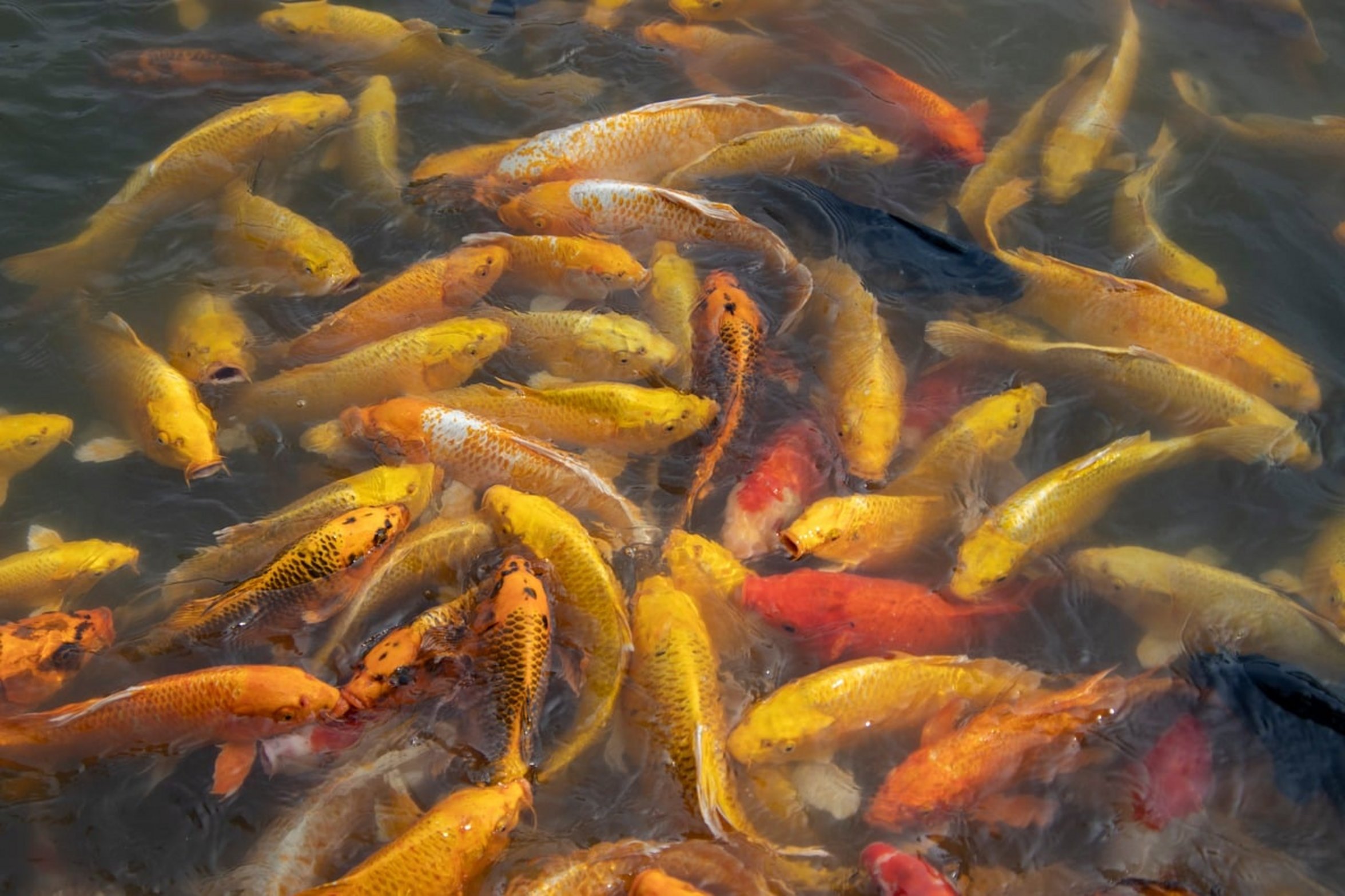
Fifteen to twenty years is typical lifespan for most healthy koi kept outdoors in ponds. That’s assuming your pond are properly fed and maintained. If you take care of them and have the right genetics, however, koi can lives far beyond that.
A few even match human lifespans. We have examples on record of how good things can be under perfect circumstances. The oldest known koi was a female koi called Hanako.
According to reports from scientists who examined her scales, she was at least a hundred and seventy-five years old. That’s right. She outlived several Japanese emperor.
To reach such an age takes decades of consistent water quality. That means you need to keep your fish safe from disease and predator. You also have to move them safely without accidents.
Managing Water Quality and Ammonia
Most hobbyists will not achieve that kind of extreme longevity, however it does show the potential of the species. Water quality is primary cause of poor koi health. Koi are big fish that creates a ton of waste.
That waste turns into ammonia, an extremely harmful substance to koi. If you have too many koi for your filter to manage, your koi gets stressed out. Stress weaken their immune system.
A weakened immune system expose them to bacteria and parasite. Dirty water cause this problem. This makes another common problem worse: overfeeding.
Proper Feeding and Pond Size
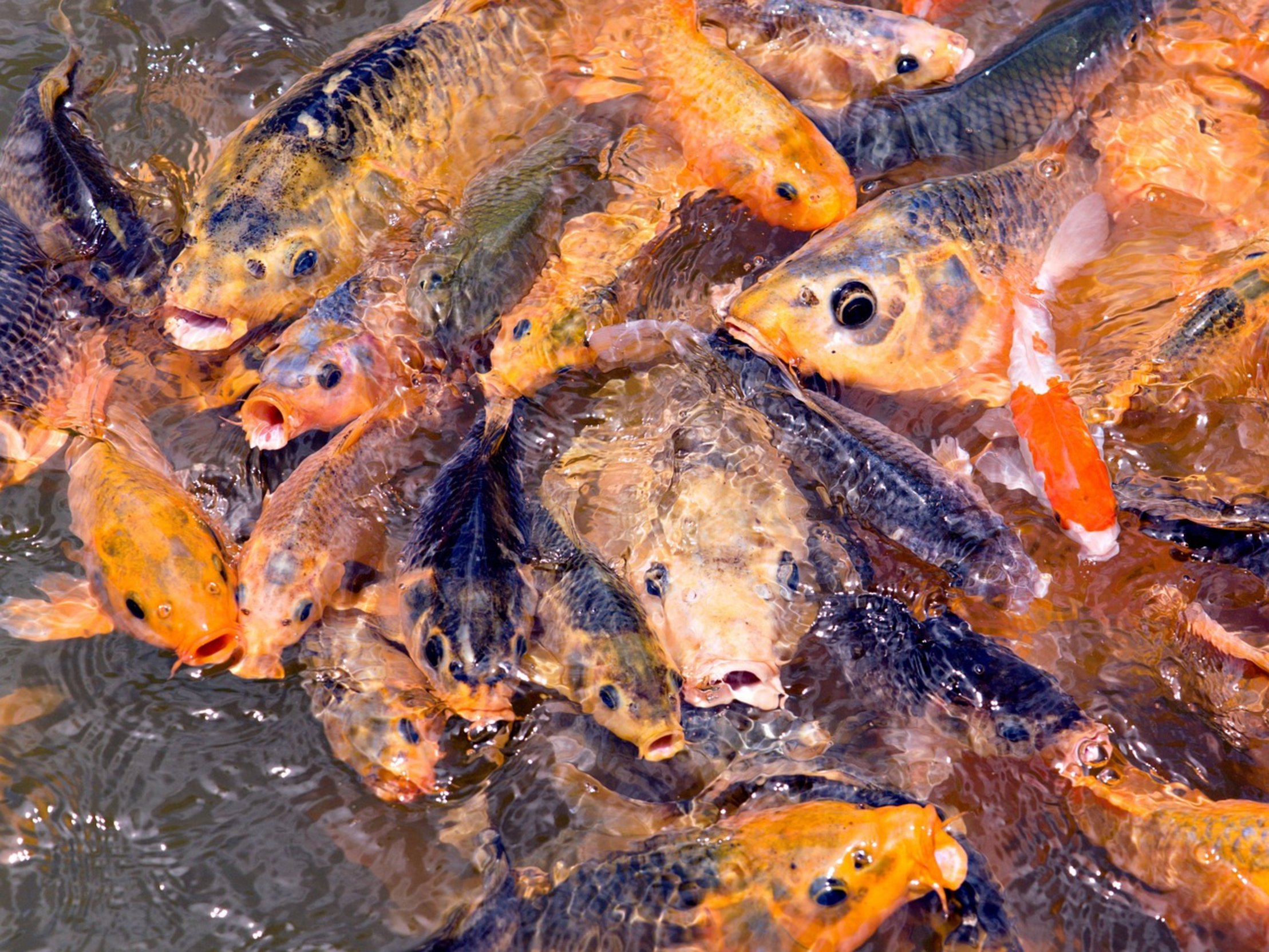
People tend to feed too much because they want to see their fish grow fastly. Even if it’s cold outside, new owners will still be feeding each day. In the wintertime, koi digest slower.
Any uneaten food will rot in the pond and this spikes ammonia levels. If you feed extra in summer months, it will cloud your water and promote algae growth. At night, the algae takes up oxygen in the water.
The fish have trouble breathing. Feed less frequently; they’ll live longer. Also important is the size of the tank/pond.
People often begin with small tanks. Koi grows rapidly. Within two years they can get up to a foot long.
In small containers, they are stunted. This means they will be stressed out more, live shorter and create more waste per volume of water. The toxins will not be diluted as well in smaller ponds.
Larger tanks or ponds gives bacteria that break down waste more space to live. Care also include disease management. The koi can contracts herpesvirus and die from it.
Disease Prevention and Quarantine
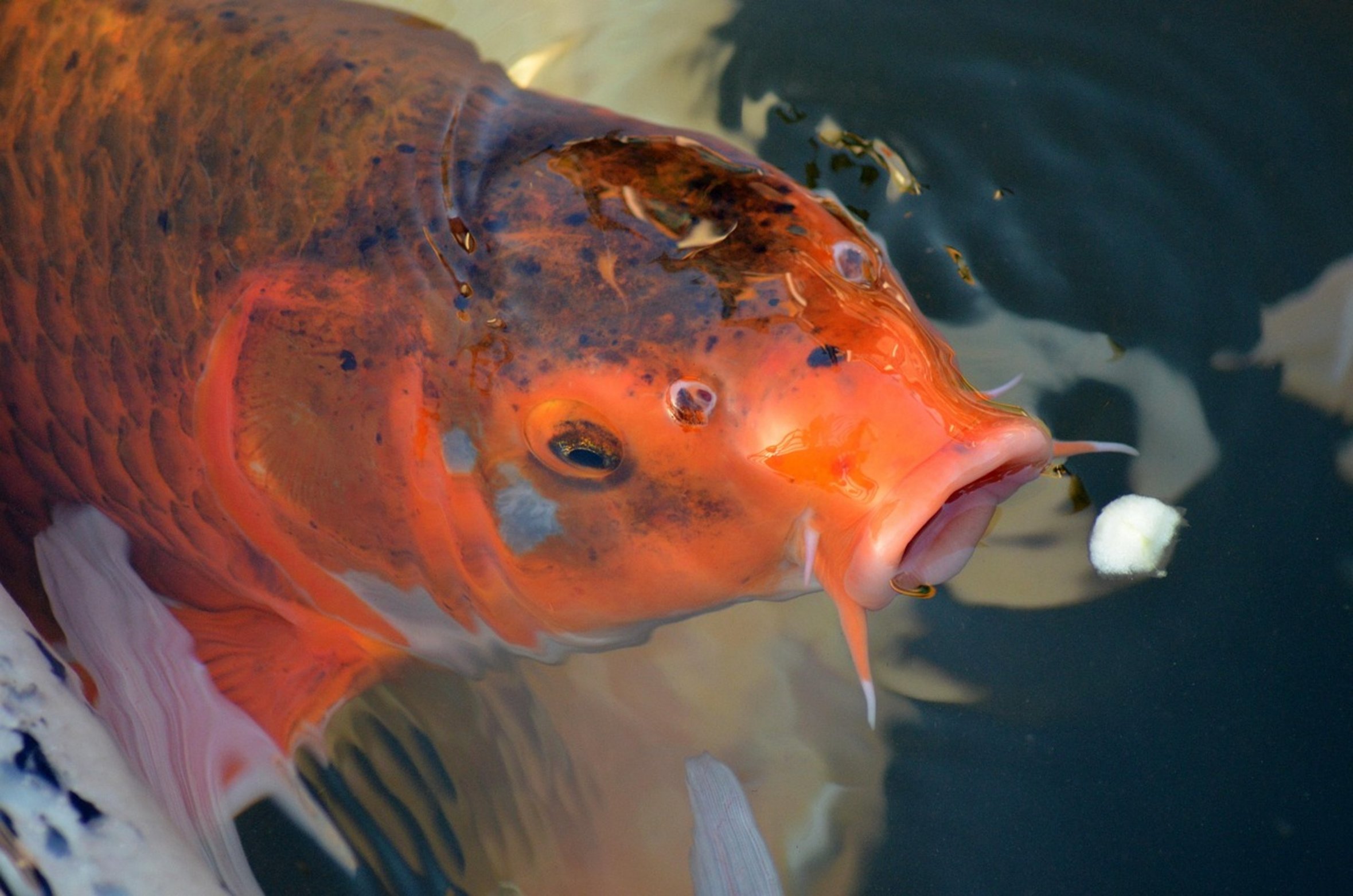
And they can catch a bacterial infection called columnaris. If you acquire new fish, be sure to quarantine them first before placing them into your main pond. Also look for any white patches or sores on their bodies.
Catching issues early will save lives. Too many times, people wait until the fish are looking sick before catching anything. Another set of threats are predator like big cats, raccoons, and herons, which consider koi an easy meal.
Predator Protection and Temperature Control
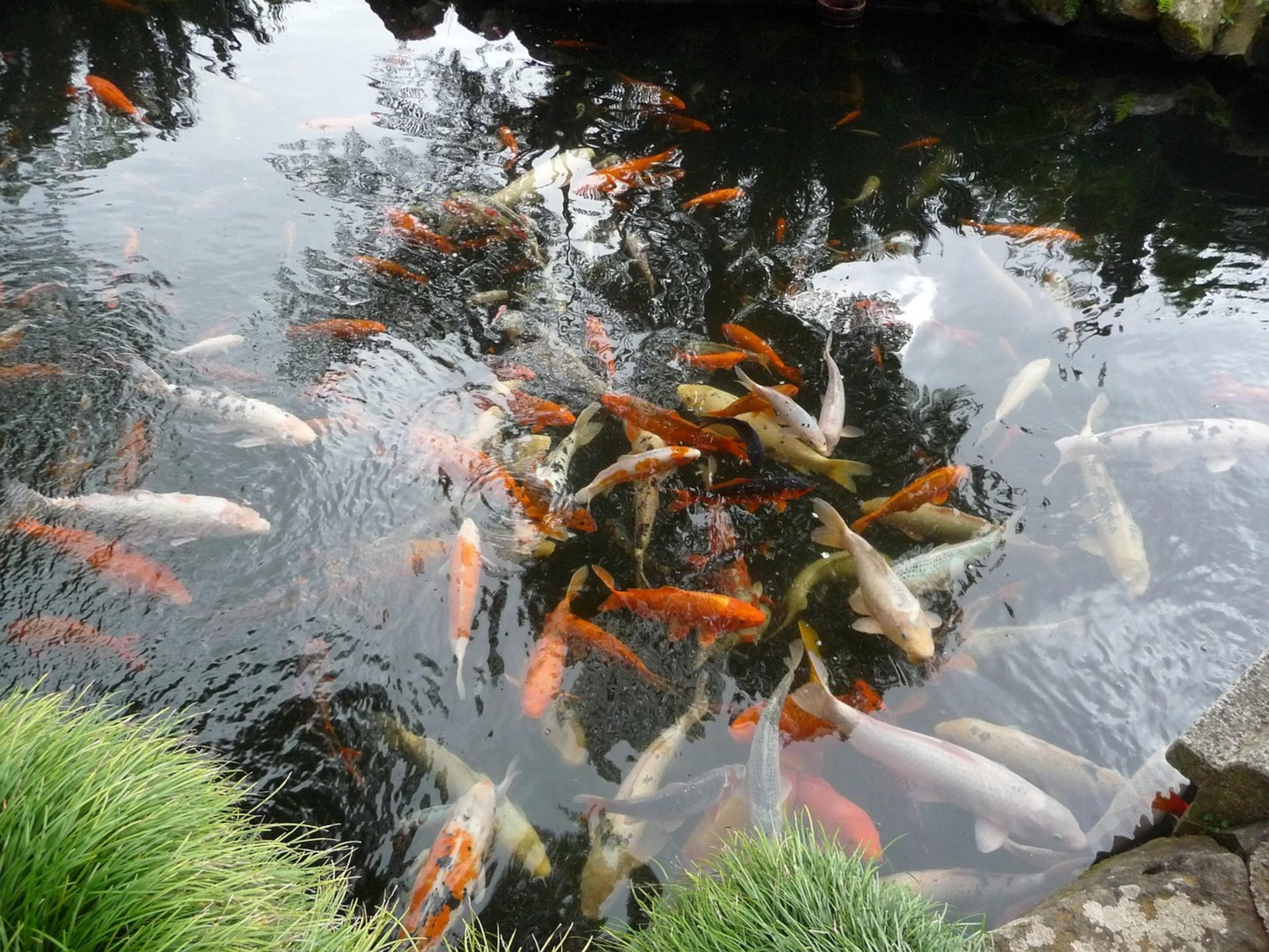
A net over the pond keeps herons away. The raccoon can’t reach through a secure cover. These aren’t expensive insurance policies, but they do help maintain stability of the population.
It’s not fair to lose a fish to a heron, but it happens. You know what? That’s part of the game.
Koi handle cold well, but they struggle with sudden heat spikes. Heat is an issue for koi. They are fine in cold weather.
Heat that comes on suddenly is not good. In summer shallow ponds becomes too warm. Warm water hold less oxygen.
Cool water has more capacity to hold oxygen than warm water. Gasping on the surface of pond. Aeration will add oxygen to water.
Structures like shade reduce heat. These little changes help the fish avoid stressing out in the hottest months. The secret to long-lived koi is consistency, do not change the water chemistry abruptlly.
Maintenance Routine and Consistency
Second: feed a variety of foods. A little vegetable, a bit of protein. Third, check your filter monthly.
Replace the mechanical components, but leave the bio-media alone. That’s where the bacteria live and do their job of converting waste products. Without it, you can’t control the pollution of the pond.
Long Term Care and Ecosystem Balance
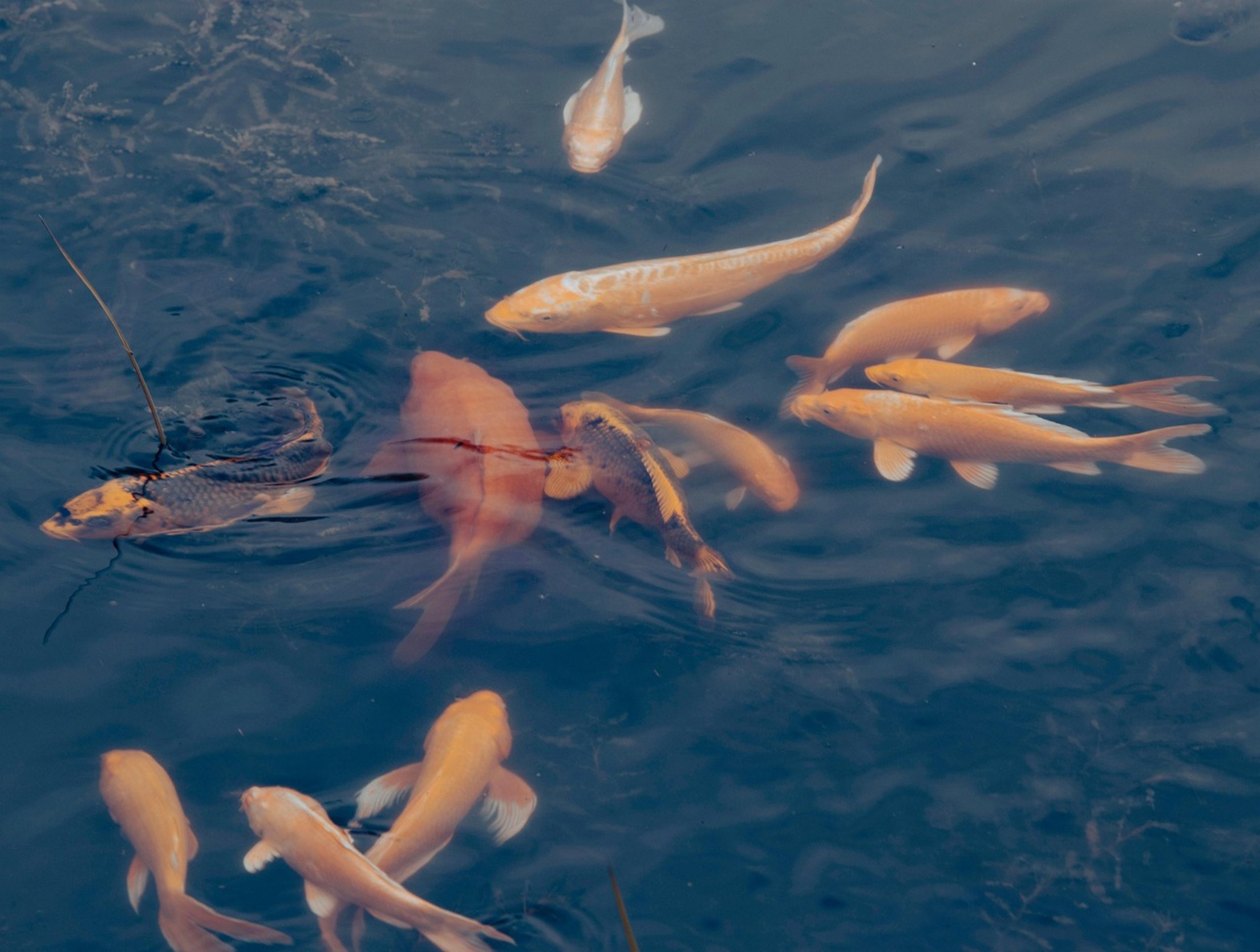
Koi are a long term commitment. Most outlive most other pet. Your koi might even outlive you.
So what will happen to them when you grow old or leave? Stressful rehoming is difficult. If you want koi to live the longest, they should be in a safe and stable location for decades.
Consider your pond as more than a piece of décor. Consider it an ecosystem. It has water quality, filtration, security, and feeding elements that support each other.
Balance them and you have koi who will be able to thrive. It brings color and motion to your garden. You get long-term beauty through consistent care rather than magic.
