
If you’re familiar with kissing gourami, which I guess most of you are, you probably know there most well-known behavior. Two gouramis gets nose to nose and then begin pushing into each other in what appear to be an act of love making. However, it’s not.
It’s a competitive dominance display. This is important for those who keeps this species, especially those who house multiple specimen. This misconception of the behavior may result in improper tank set-ups.
What happens in your tank on a day-to-day basis? Status negotiations. It is not love.
Why Kissing Gouramis Lock Lips
The Truth About Gourami Kissing Behavior
Its scientific name is Helostoma temminkii. They are also what’s referred to as labyrinth fish. What that mean is they have an internal organ called a labyrinth that let them absorbs air from the surface to breathe.
Labyrinth Organ and Surface Access
So you need to be sure there is always access to the surface but not a heavy layer of agitation on top of water. This apply regardless of water filtration. They are adapted to live in low oxygen conditions where other fish would dies.
Diet and Algae Grazing
And so why do they kiss? Well, first there’s the reason for their mouth. They has those bristle-type lips made to rub against a surface and scrape off any algae or biofilm that might be growing on it.
Tank Mates and Hierarchy Dynamics
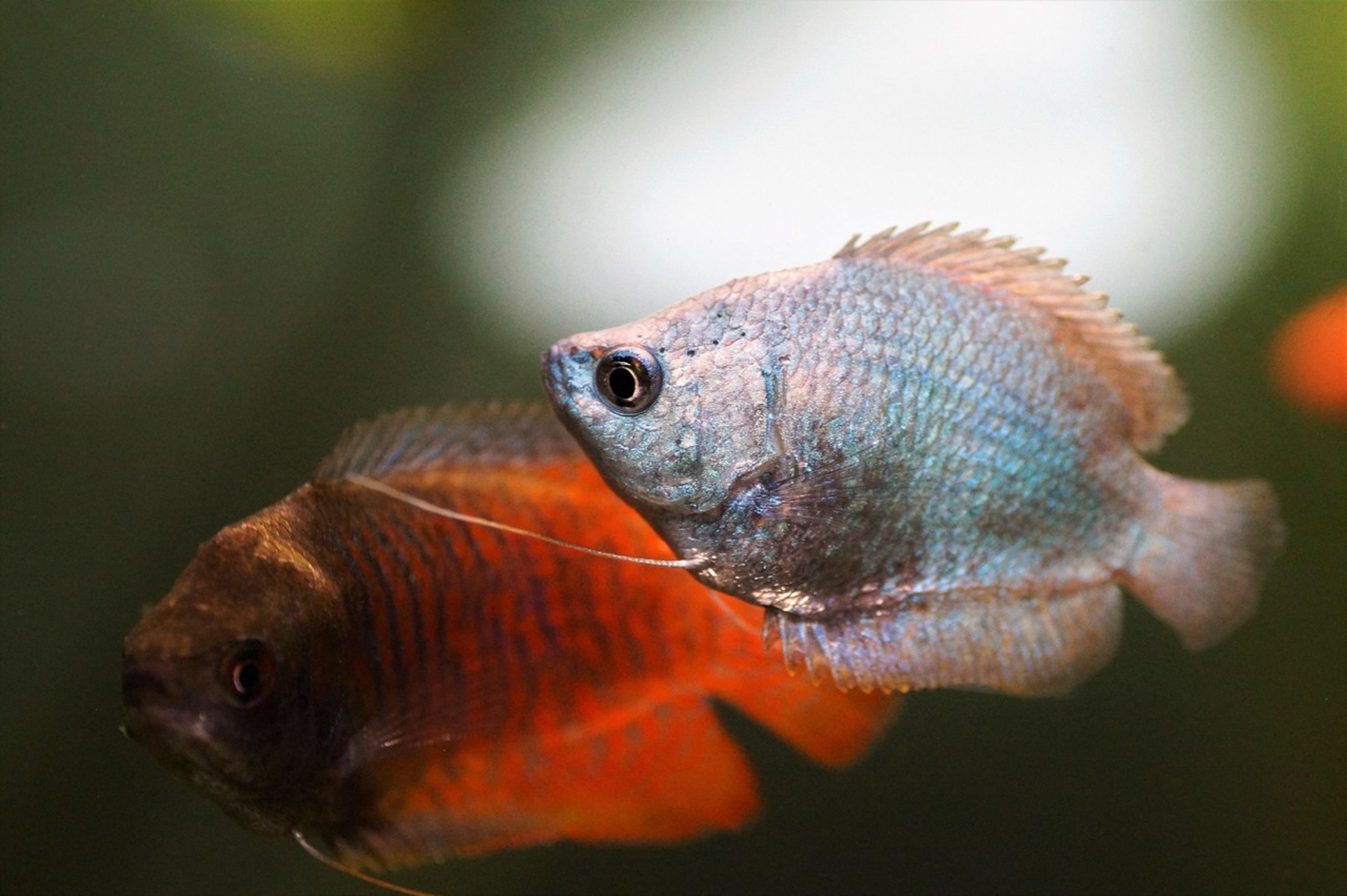
And then how does the kissing come into play mechanically? Because their grip is strong enough to hold on, that’s what makes this whole locking lip thing work. Two gouramis will turn to each other and basicly lock their lips together, forming a physical connection.
The one who holds on stronger wins, and thus the other one backs down and forms a hierarchy without actually having to fight. It’s mostly displayed by male. If you have a male alone in your tank, he’ll be perfectly fine, happy to scavenge for some algae while remaining peaceful.
However, things get interesting (i.e., messy) once you place multiple males in a tank, especially small tanks. They will repeatedly lock lips to establish a hierarchy. Lack of space may turn this lip-locking session into chasing/fighting/nipping fins.
It’s not an act of malice; it’s simply an act of dominance and it doesn’t quit. If you wish to have a couple of these fish, keeping them in a tank by themselves would of been better because there will no longer be any intense locking behavior due to the presence of a female (who’s smaller and far less aggressive than the male). You’ll still get some companionship while avoiding all the power struggle antics that come with two rival males.
This is a fair trade-off for hobbyists seeking something good-looking yet relatively stress-free.
Water Quality and Stress Management
Another important aspect of their behavior has to do with water quality. While they’re fairly hardy, kissing gouramis aren’t tolerant of poor water quality.
Stressors such as high ammonia and nitrite causes the fish to behave strangely. In addition to swimming erratically, the fish becomes more aggressive. A clean tank keeps them calm, which means there is less chance for needless conflict between individual.
So if you notice your kissing gouramis acting this way, it can indicate something about environment in your tank.
Flow Rate and Tank Setup

They need gentle water flow because they are not fast swimmers. Powerful filters may cause them to expend too much energy battling against current instead of foraging.
Gentle flow let them sit quietly in cover or on the surface where they feel relaxed. That lowers their stress level and encourages them to exhibit more normal behavior such as grazing on algae. They has a calm demeanor.
While other active fish species have a frantic energy when schooling, these guys move slowly but deliberate. It’s sweet, and it sells. But there is something more interesting here, something that’s more interesting to tell.
It is a whole system of social ranking, ruled by formal fighting. When they kiss, they’re not courting each other. They’re negotiating their space and their status.
They’re negotiating their space and their status. This is a survival mechanism developed for thousands of years. The next time you see your kissing gourami, admire that piece of engineering called a mouth.
Appreciate how the grip work. It’s not love. It’s dominance.
This changes how we perceive our fish. We no longer see it as a cute trick but rather a functional behavior. The fish is doing exactly what they must do to get along in their environment.
They does this to survive and thrive. THAT is the story of why they kiss.
