
When you envision setting up your own aquarium what comes to mind? A serene underwater paradise, perhaps? Colorful fish contrast plants in a backdrop of lush vegetation.
With their flowing fins and tall disk-shaped bodies, the freshwater angelfish are at the head of that wish list. In the confines of an aquarium, it’s graceful and serene. The beauty of those angelfish hide a biological truth that surprises beginning cichlid keepers.
Angelfish aren’t small fish; they don’t remains small. Yes, they’re cichlids, they has the biology of cichlids. That means they’re driven to grow and claim space.
Most aquarium plans fail when the fish grow from juveniles into adults. Knowing how they will grow isn’t as much about learning their max size as it is about setting right expectations for them. You’re essentially inviting something into your house.
What exactly are you doing? Underestimating what they need will result in a stressful environment for your fish and harder-to-keep tank. What will they grow up to be?
How Big Freshwater Angelfish Grow in Home Aquariums
Understanding Angelfish Growth Potential
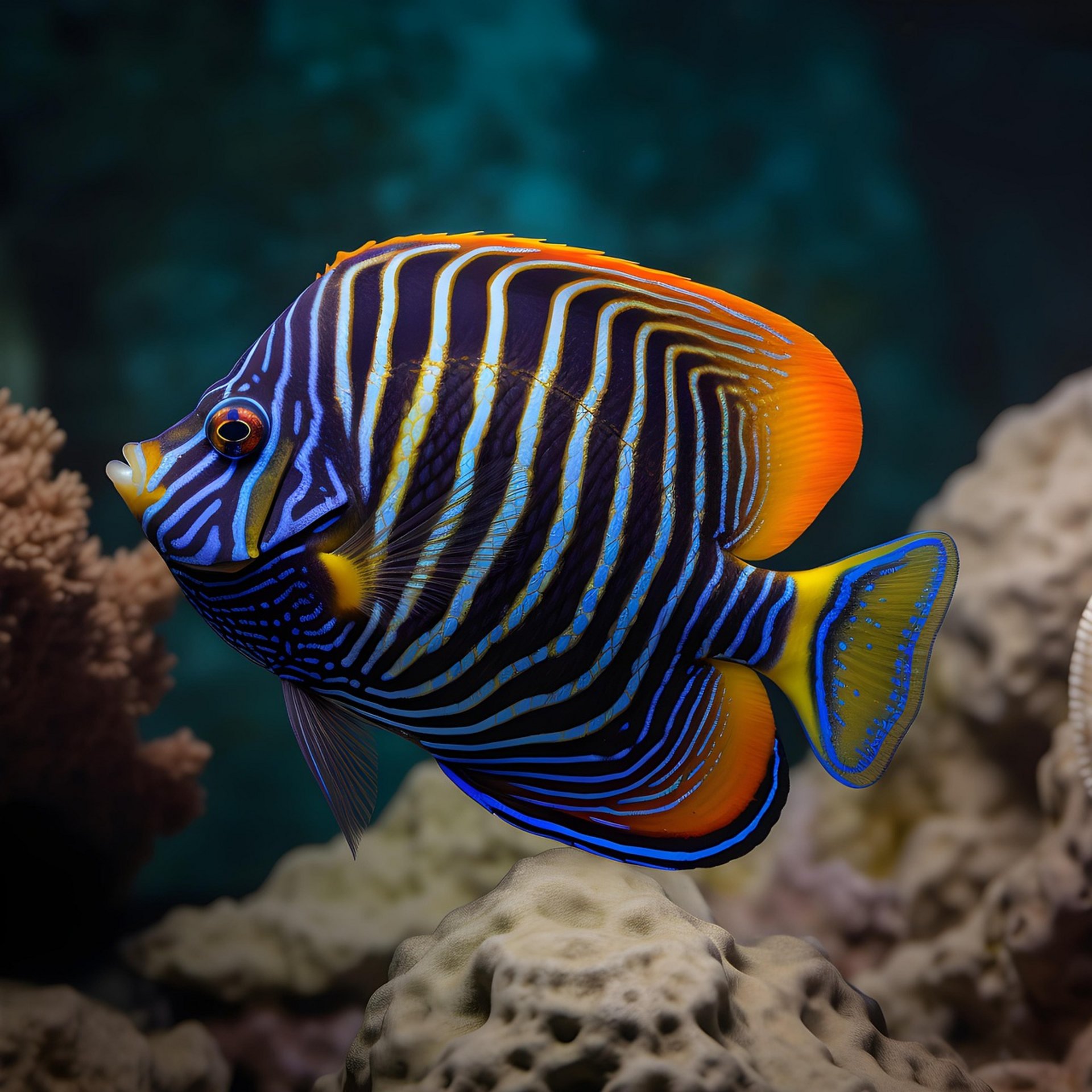
That’s dependent on the species. The most common for the hobby is what we typically refer to as freshwater angelfish (genus: Pterophyllum). In the wild, freshwater angelfish grows between 6-8 inches long with a height to match.
You may have bought them from your LFS as baby fish that was perhaps an inch or two long. Assuming small = forever isn’t difficult. It’s wrong.
Some different species that are hybrids or subspecies such as P. Leopoldi or P. Eimeyeri vary slightly. Eimeyeri or P. P. Leopoldi is somewhat smaller. But they won’t remain tiny.
Depending on their genetics, some are taller, some broader, etc. None is small enough to fit in a tank that’s advertised as being OK for neon tetras or bettas. It’s not about the tank; it’s about the fish. Any aquarium is a system that’s driven by water quality.
Water Quality and Filtration Needs
If the water is clean and has steady parameters, then fish can grow to their maximum genetic potential. When water isn’t clean, fish will stunt, and they’ll be chronically stressed and sick. You want your fish to grow but you want them to do it healthily.
Angelfish originate in the Amazon basin which has acidic, soft water. Changing that environment will stunt development, compromise immune systems, and ultimate affect proper growth over time if nitrates remain high. To establish this stability, you’ll need a good filtration system and routine maintenance if you want to get those big, healthy fish.
Choosing the Right Tank Dimensions
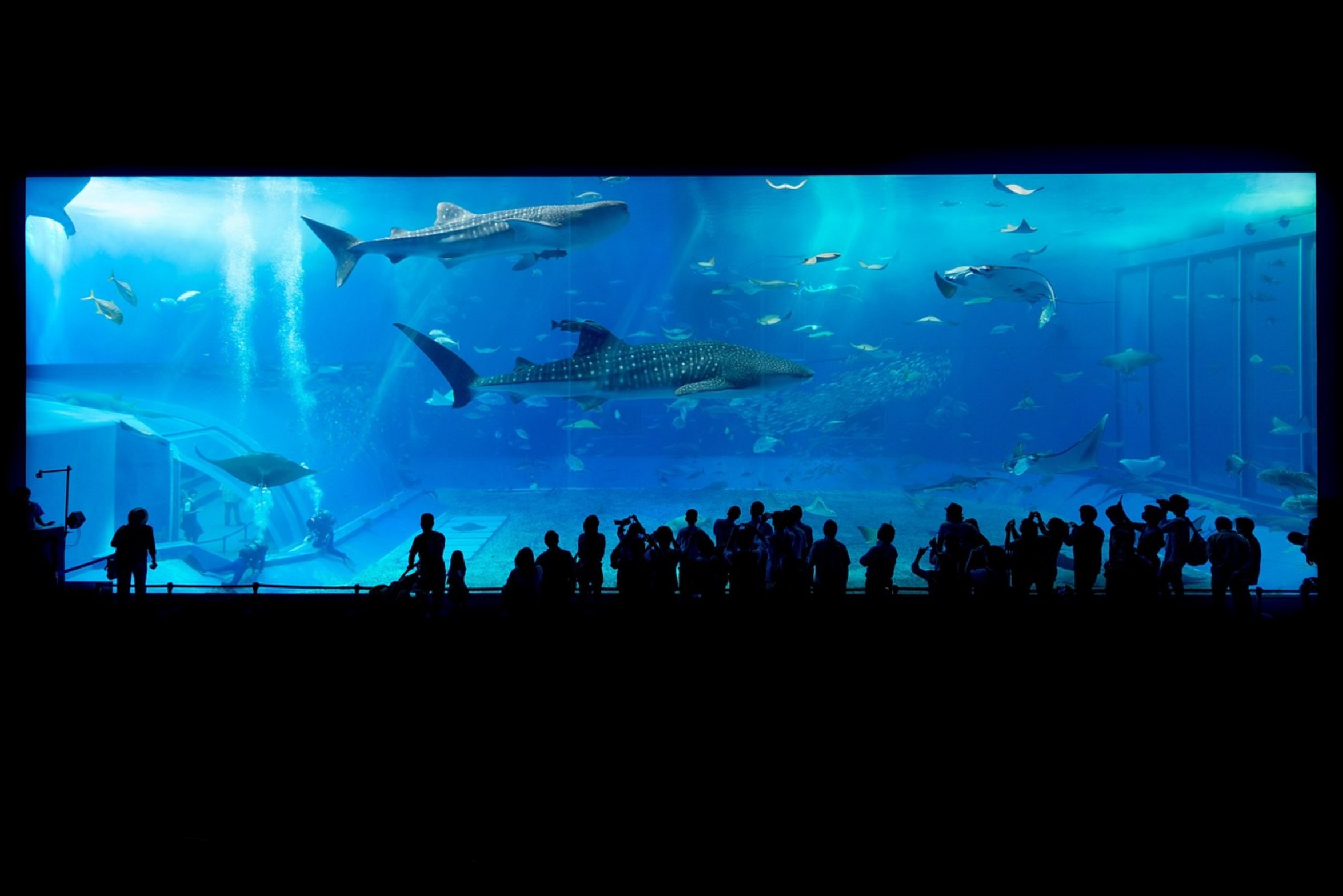
Besides the size of the tank, consider your tanks dimensions too. If you have angelfish, remember that these fish is vertical swimmers. They spread out their fins and wants enough height to dominate space without being confined.
For example, having a wide but shallow tank make them feel like there’s a ceiling over them. A taller, rectangular tank is more similar than their native river habitat. When you hear people say that you need at least a 50-gallon long tank for a pair or even a small group of angelfish, it’s because the size will give them enough room to swim around the surface and middle levels.
They also needs corners for resting and for breeding. Avoid round tanks altogether. Angelfish don’t like being exposed in a corner.
A round corner make them feel more exposed than the corners in a boxy tank with sharper angles. How big your fish can grow depends mostly on its genetics. Angelfish that are captive bred tends to have better predictable growth rates.
Genetics and Growth Variations
Captive-bred angelfish from reputable sources often has more consistent growth patterns. Wild caught tend to be stronger but it might also mean they takes longer to settle in. Some breeding lines selects for color, size, and even fin shape (show quality fins vs. Body mass).
In other words, two fish of identical age may appear very differently. One could be short-finned and more compact whereas the other stand tall over it. And don’t get caught up in comparing your fish to pictures you see on the internet of some record holder.
Pay attention to how your individual fish look. Are their gills red? Are their eyes clear?
Are they active? If so, then they’re doing just fine growing according to their genetics. The size of your angelfish depends on their diet, but it’s also shaped by genetics, water quality, and tank space.
Diet and Nutrition for Growth
Angelfish is an omnivorous fish with a tendency for protein. High protein food are critical to developing body (muscle) and skeletal (bone) structure in juveniles. A combination of flakes, pellets, and other live/frozen foods is best for adult angelfish.
Standard fare includes bloodworms, daphnia, and brine shrimp. They contains all the nutrients to help encourage growth spurts as well as develop colors. Underfeeding will stunt their growth and overfeeding fouls the water.
Feed moderately and regularly to meet their metabolism without polluting the tank. Variety also promotes nutritional balance and keeps ’em interested. Growth is also affected by social dynamics and stress.
Managing Social Dynamics and Stress
Angelfish are semi-aggressive species; they’re typically found in groups or as a pair. Aggression increases when the group is crowded into a small space. Constant bullying suppresses their immune system, resulting in stunted growth.
Rarely does the bullied fish thrives. You must give them places to hide and establish territorial boundaries so they can space themselves out. Visual barriers like plants and decor minimizes face-to-face confrontations.
Security makes for better eating and greater growth. Part of your job involves watching how they interact with each other and knowing when you have a social problem rather than just a size problem (i.e., one fish is constantly hiding or missing finnage). Keeping angelfish is an adventure that requires respecting who they are.
Angelfish are not background fish; they are centerpiece fish that need space, clean water and to be treated well. Treat them right and you’ll have grand adults in your tank that make it come alive. You would of been rewarded with graceful, impressve animals.
Plan for the big fish, not the small fry.
