
So you’re thinking… My fish seem healthy now so what’s the big deal? The problem has already been silently developing and building up in your tank.
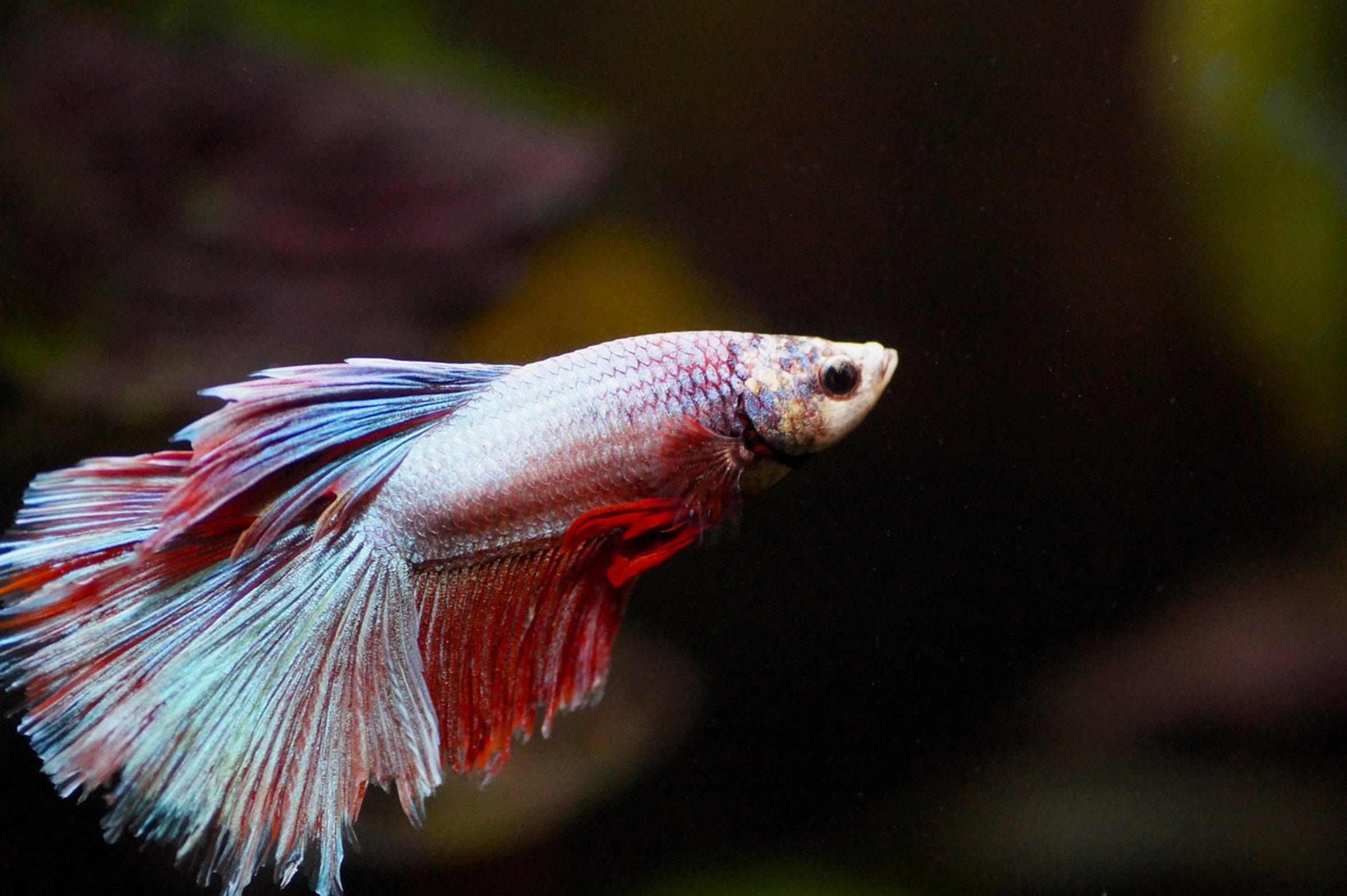
Unlike an ammonia spike, which is deadly and immediate, high nitrate doesn’t kill quickly but more slow like a poison within water. Over time (weeks to months), it wears down your fish health. Before you know it, your plant leaf turn yellow, your goldfish hide, and your beautiful colored betta fishes fades.
How High Nitrate Harms Fish And How To Lower It
The Silent Threat of High Nitrate
It’s not bad luck. It’s chemistry. On paper, most hobbyists knows about nitrogen cycle.
Ammonia converts to nitrite, then to nitrate. That’s where it stops for your filter bacteria, but it doesn’t stop there for your fish. When nitrate build up, the bacteria stops doing their thing.
Then they’re waiting for you to do yours, making you the last member of cleanup crew. When you don’t pay attention to those numbers creeping up, you’re asking for trouble (stress), disease, and early demise. Even though nitrate is the least toxic of all nitrogen cycle waste products, it’s still toxic in high concentrations.
Understanding Nitrate Toxicity
In nature, rivers and lake constantly flush this waste away. Your tank is not a river or lake. It’s a closed loop.
Unless you make something leave your tank, nothing leaves. That means fish have to swim around in their own diluted excrement day after day. Constant exposure to that low level of toxicity suppresses there immune systems over time.
A suppressed immune system can’t fight off Ich or any other common infection. Clear water does not mean safe water. That’s an assumption that can prove dangerous.
Why Clear Water Is Not Safe Water
While you may not be able to detect nitrate without a test kit, clear water can be full of dissolved nitrates. Nitrate is invisible to the human eye. Don’t assume your tank water is OK just because it look clear.
You won’t know until you check. Reputable liquid test kits from companies such as Sera and API provides accurate results. While strip tests are handy for convenience purposes, they tend to fall short in detecting gradual nitrate creep (unless accuracy is most important).
Flying blind means relying solely on visual inspection of water. So what do you do? You take action once you know the level is there.
The best thing you can use are water changes. Why? Because they physically remove the nitrate from your tank.
Regular Water Changes
Standard advice is to change at least twenty-five percent each week. Heavily stocked tanks should be changed even more frequent. Imagine how much waste would of build up if you didn’t flush the toilet.
It backs up. So you’re removing the concentrated waste, and putting in fresh, treated (reverse osmosis or tap) water. Your second line of defense are plants.
Using Live Plants for Filtration

Plants use nitrate as fuel. Fast growing stem plants such as Anacharis or Hornwort will consumes nitrogen waste. They compete for the same nutrient sources than algae; keep both your fish healthy & your water clear.
You’re missing a huge natural filtration system if your tank has no plant. Create a planted section & transform the ecosystem from a waste trap to a balanced one. If you’re looking for some additional insurance, media can helps with this as well.
Chemical Filtration with Purigen
Seachem Purigen and other products of its type is great water polishers. This synthetic resin will binds to nitrates and other organic compounds. It won’t hurt beneficial bacteria, which means you can throw it into your filter cartridge.
When it goes brown, simply give it a quick rinse in the solution and it’s good to go again. If your tank is having trouble keeping nitrates down using only water changes, adding something like Purigen can make quite an impact. Many owner have trouble believing this one: Feed less!
Feeding Less to Reduce Waste
Yes, food makes fish poop. And yes, that poop creates nitrates. Therefore, overfeeding produces more nitrates than your system can process.
Observe when you feed your fish. How long do they eat? Are they knocking food to the bottom?
If so, you’re feeding too much. The less you put in, the less there is to take out. Keep it simple.
Math is math. It saves you cash on test kits and water conditioners. Perfect?
No. Stable. That’s all that matters. What are your ideal nitrate levels?
Ideal Nitrate Levels for Fish
Zero? Not possible on a live tank. You want nitrates low enough so that your fish is happy.
If they’re sensitive, try to maintain them at less than 20 parts per million (ppm). Adjust, monitor, and move the water. If you do this, the fish will pay you back by being more active and looking great in their colors.
There is a big difference between the water being visually clear and it really being clean. It’s one thing to survive, another to thrive.
