
Nothing’s more annoying than finding slug trails in your garden. Your soil-care work undone. And you want it gone fast and permanentaly.
That’s why it’s tempting just to go out and buy some bait right away. But guess what? It never lasts.
Slugs and snail breed fast, and each adult female lay lots of eggs in the ground. If you treat the symptom (the surface damage) without treating the cause, you’re not going to get anywhere. What’s needed: a multi-layered plan to stop their life cycle and make your garden unfit for them to enjoy.
How To Stop Slug And Snail Damage
Why Quick Fixes Fail
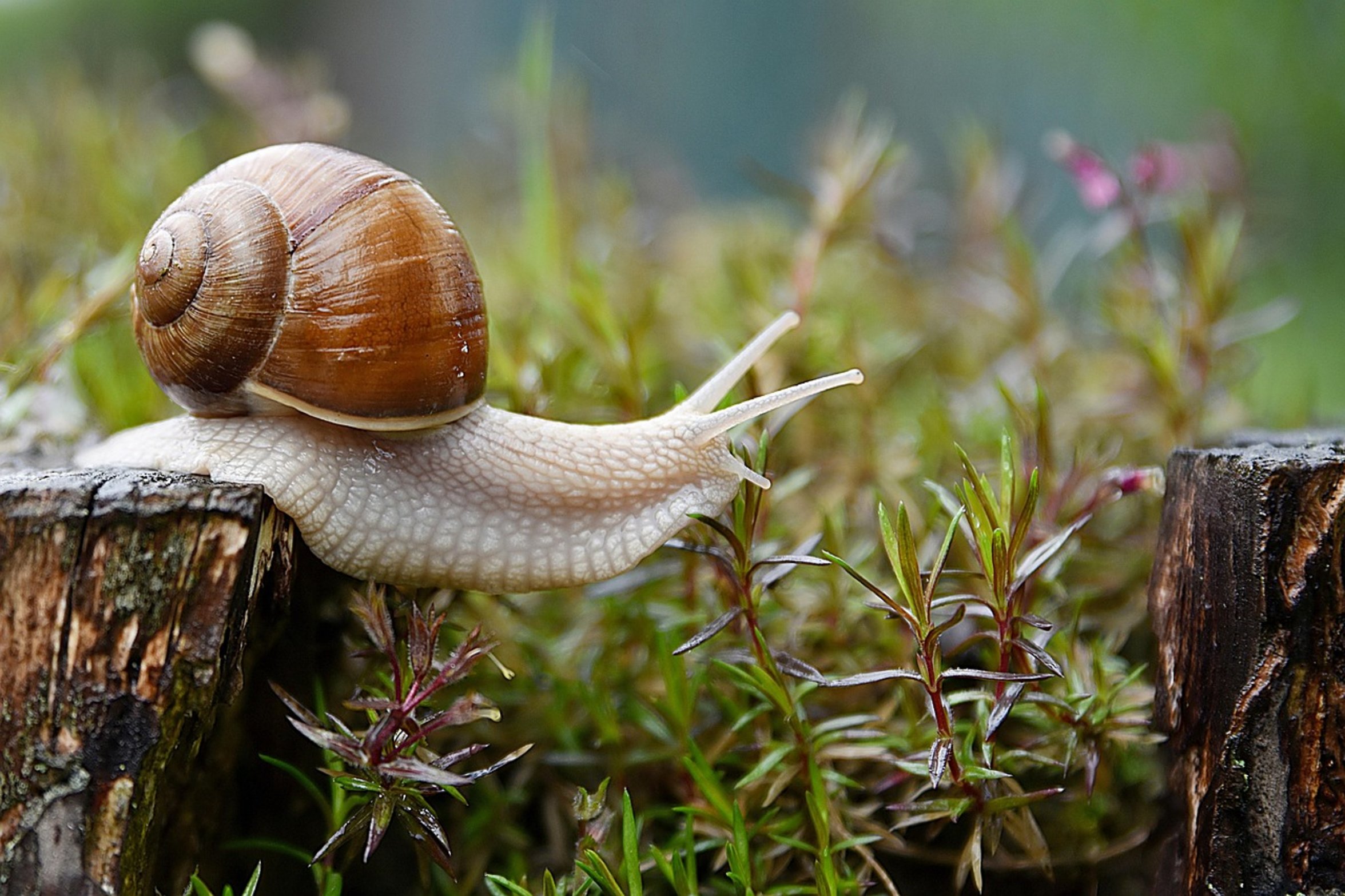
First: Get to know what they do. They is nocturnal creatures that seek moisture. By day, they hide in darkness and dampness, then come out after dark to feed.
Habitat Modification and Barriers
Make sure there’s no standing water or rotting wood or wet leaves lying about the place… That’s shelter for slugs. Before you purchase a single can of pesticide, take a look around your garden design.
Clear away habitat that protects these pests. Keeping them out is easy, and it is the first step toward reducing their numbers and the basis for other controls. Then there’s the hardware: physical barriers that makes the habitat less hospitable.
For pots and raised bed, copper tape are common; the slug touches it and reacts with its own mucus, giving it an oh-my-gosh electric shock. It sounds dramatic, but it apparently deters them. Diatomaceous earth (powdered fossilized algae) is another tool you can uses.
Its sharp edges slice right through the slug’s soft body, dehydrating it. But again, this only works if it is dry since dew or rain cancels out its power. Apply often if the weather have been wet.
Biological and Natural Predators
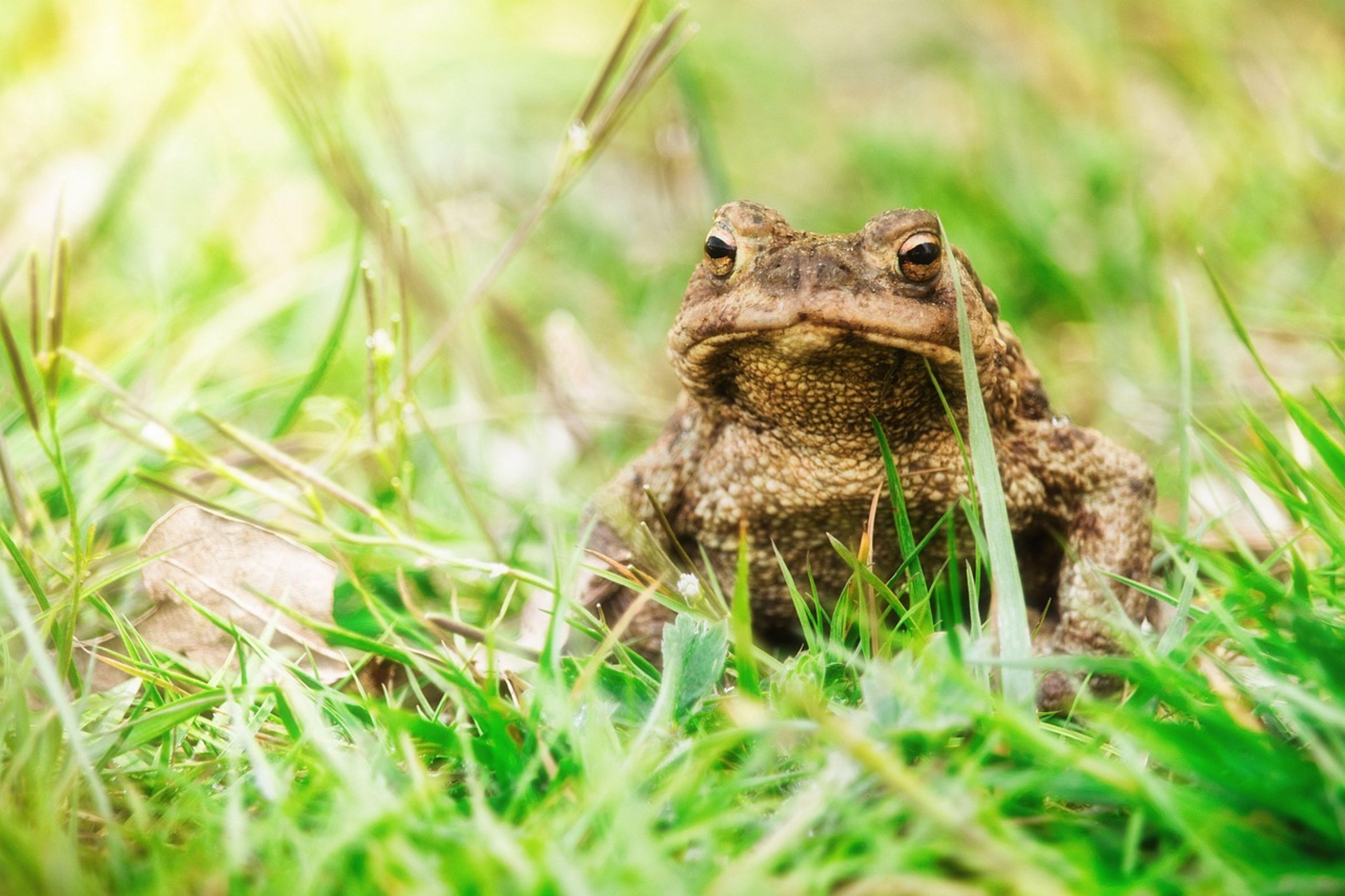
A more lasting answer are biological controls. In particular if you have an established garden (so that any chemical control could injure desirable insect), nematodes, tiny worms that infect snail larvae, can be poured into soil to find them and thwart the next generation before they hatches. To help create a balance of nature, invite its biological controls by making habitat for amphibians like toad and frogs; birds; and ground beetle, among other natural predators.
Leave some leaf litter in the corners of your garden away from veggie bed; build a little pond, etc. If not, you can try some biological (or even manual) controls. There is also chemical baits available; newer ones made with ferric phosphate (brand names include Sluggo) are less toxic than the older metaldehyde baits but work in similar ways: causing the snails to starve and ultimate die, but hopefully not in time to leave the garden. That’s important, since then they’ll go unseen by you and become available for scavenging by pets and wildlife.
Targeted Chemical Baits
Instead of spreading the bait around indiscriminately, use it where needed to target problem spots on affected plants. It’s not only more effective, but better than the environment. The key to a long-term solution vs. The key is a quick fix: consistency.
Consistent Monitoring and Long-Term Control
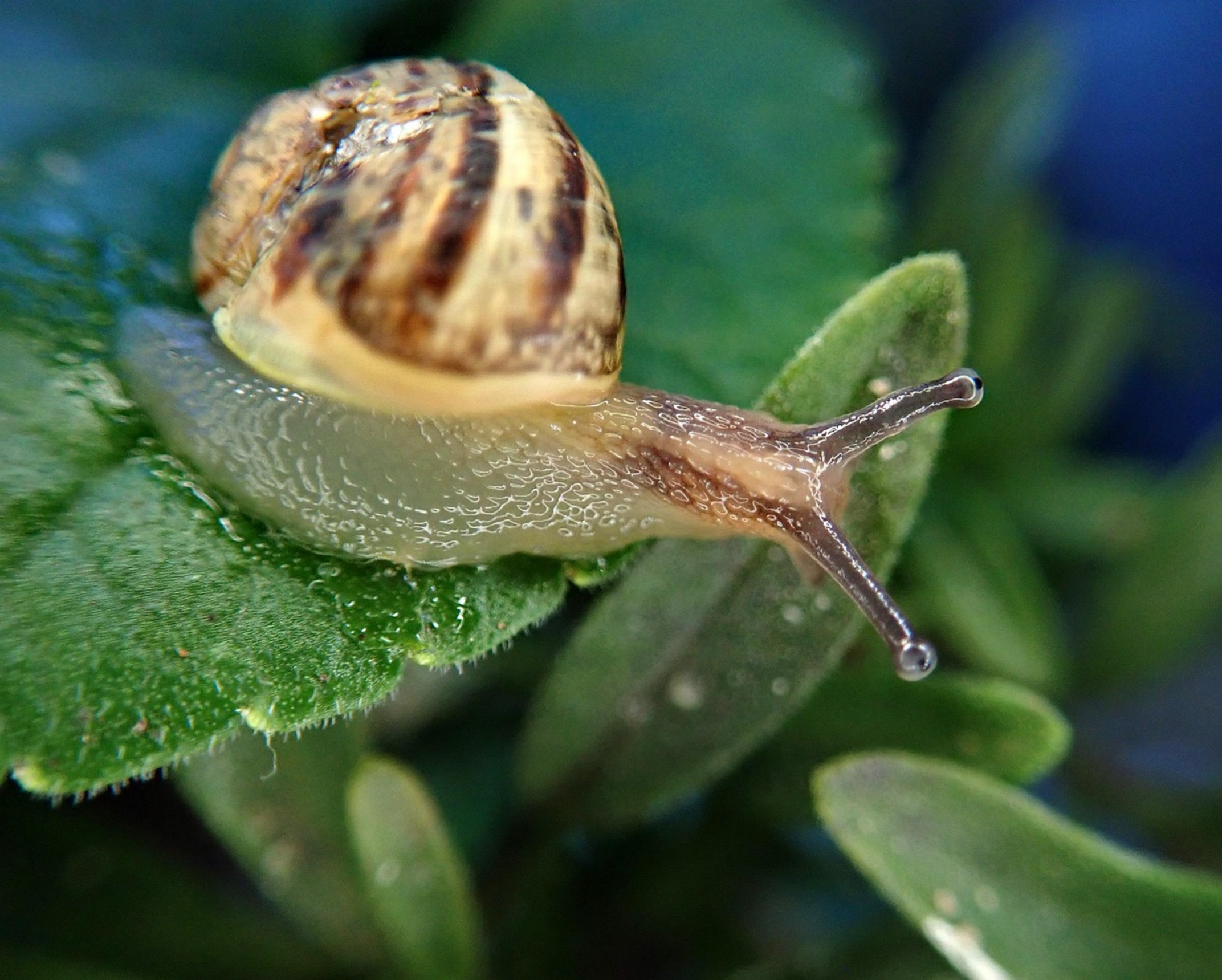
Every morning, get out there and check beneath the boards (and other spot where leaves might hide). If you see any egg, tiny collections of little pearl-like things, they need to go. Be watchful, but combine that watchfulness with some of the baits and barriers described above.
Attack on all sides, and the population should eventualy crash. You have to change the way you think about getting rid of an outbreak of pest snails… Patience is required, as well.
But not about murder; it’s more about making the environment inhospitable to them so they don’t thrive. You should of changed your mindset sooner. That means blocking their pathways, eliminating their hideouts, interrupting their breeding, and applying targeted controls that do just enough to give you back your garden…
A place where you can enjoy the harvest without the mess of slimy pests.
