
German blue rams is marketed as peaceful, small fish that is good for a community tank. If they don’t thrive, however, you won’t find any fault with the previous sentence. Why?
Because most people who have them dissapears in a few weeks or even days and never reach their full size. Their fins goes clunky and their color dim. And then…poof…gone.
Sound familiar? It should of. Many of us does this in the hobby.
But it doesn’t have to happen. The fact is that these aren’t hardy fish. They’re just not set up for environment most beginning aquarists establish.
New keeper assume these fish behaves similarly than other more robust species. What? How could a person think that?
That’s a basic mistake right there. To be successful, treat German blue rams as specialty cichlids. Not generic tetra-like fish.
Key Reasons German Blue Rams Die In New Tanks
Understanding German Blue Rams
Failure often stems from water parameters. The source fish come from blackwater streams of the Orinoco basin in South America, acidic, tannic, and very soft water flows in those streams. Many tap waters is alkaline and hard, leading to a chemical mismatch that stress their water balance systems while suppressing their immune response.
Water Chemistry Requirements
Immune suppression lead to susceptibility to disease such as Ram itch. Now you don’t have to create an exact replica of a jungle, but you must soften the water. Reducing the pH some is also important.
Dosing RO water or using a pre-beneficial water conditioner are often required. Stability is what you’re after, not perfection. Slightly hard water for a long period are much better than a spike of ammonia.
The latter will kill your fish, but the former will wear them down over time. There’s also a common mistake with temperature control. You’ve probably read where several guide recommend maintaining an aquarium water temp at or above 82 degrees F. They say warm water boost metabolism and fights bacteria.
Correct Temperature Control
That logic fail for two reasons. First, warm water have lower levels of dissolved oxygen. Second, because rams is predisposed to respiratory problems, the heat will suffocate them over time.
Instead, keep the aquarium water within the 76… 78 degree range. That is still warm enough to keep the fish comfortabley while keeping more oxygen in the water.
The warmer your water the harder they’ll have to work to get the oxygen from their gill. Be patient; The cycling process take time. Adding livestock before cycling will kill off sensitive species.
The Importance of Cycling
There’s no getting around this (aka new tank syndrome). No livestock until you’ve established a mature biological filter. This requires waiting for both ammonia and nitrite to test as zero.
If your biological filtration isn’t mature, the Rams won’t stand a chance. They will be thrown into a foreign environment without being able to acclimate. It is better to wait another couple of week than to watch them die in a tank that smells fresh but is chemically hostile.
Diet and Feeding Mistakes
The other source of stress is feeding errors that becomes compounded. Rams are shy feeders. They are omnivores that prefer animal protein, but if you stock them in a tank with fast swimming fish they won’t get enough food.
High quality frozen food such as brine shrimp or very small sinking pellets is preferred by rams. A hungry ram is a weak ram. The quality of their diet directly relate to how bright their color are.
Feed them well and keep them secure and that electric blue comes back. Scavenge for scraps and they goes dull and pale. It’s important to carefuly choose tankmates.
Choosing Compatible Tankmates
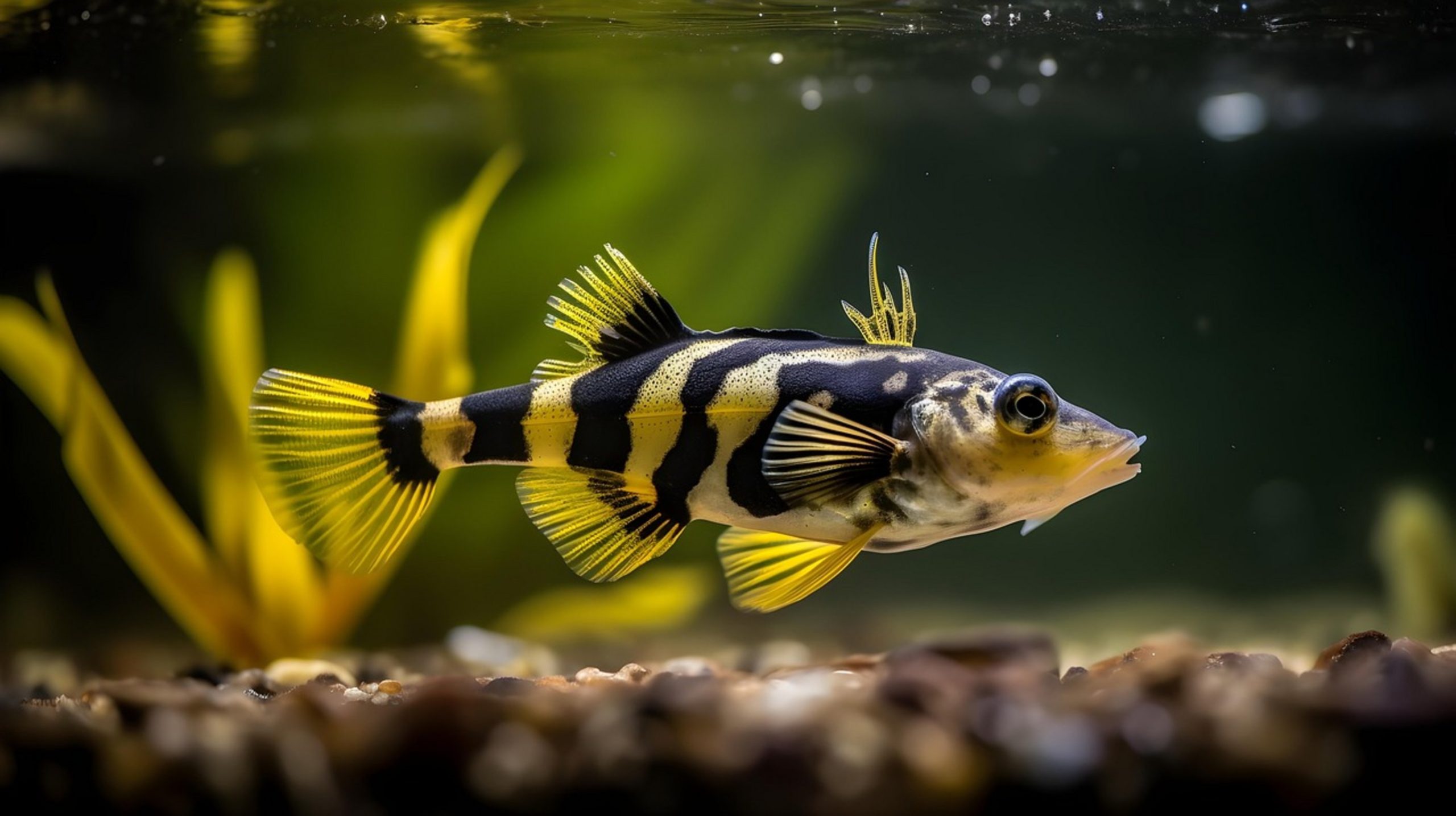
It’s a dangerous myth that rams gets along with just about any type of community fish. Fin-nipping fast fish will pick on them until they’re submissive. Even otherwise peaceful fish may crowd them away from feeding areas.
Ideally, a ram should be kept with similarly sized bottom dweller that move slowly. For example, small shrimp or dwarf corydoras catfish. You don’t want a community that compete with the rams; you want one that ignores them.
Providing the rams with cover and space is essential to their feeling secure. Keeping German blue rams isn’t about magic tricks. It’s not about some secret formula.
Keeping German blue rams are about respecting where they come from and paying close attention to the details: maintaining water chemistry, controlling the temperature, and housing them in a way that provides security. When you do that, they’ll reveal themselves to be what they is, a shy, pale newcomer who becomes a bright, bold jewel. And it’s that jewel that makes us want to keep them.
