
Many freshwater aquarium hobbyists have bad opinion about snails in their tanks, they are unwanted invaders! One moment you’re dropping in a few live plants and the next thing you know your glass are coated with little spirals multiplying before your eyes. At the first sign of trouble, it’s not hard to understand why so many hobbyist grab a chemical remover or a snail trap.
Those pesky little buggers just take over the tank like they own the place and it makes sense to go into full-on panic mode. But not all snails is the same. Not even close.
In fact, there are several kinds you can put in your tank. They are some of the best tool for keeping an aquarium clean and thriving. Here is the kicker, not everyone considers them “tools”.
Instead they view all gastropods as a single group. They aren’t. Each species have its own role.
Each eats something different. They reproduce at wildly different rates. Selecting the proper one changes an animal that can become a nuisance into a valuable worker.
This moves it from pest control to ecosystem management. And this is important, as you might spend hours vacuuming your gravel if you don’t have the correct snail. It can prevents algae blooms before they start.
Or it will break down detritus for you, keeping water parameters in check. But the trick here is to find a snail that won’t get out of control but still does something useful for you. You’re looking for a partner, not a roommate that takes up residence in your house.
Best Freshwater Aquarium Snails to Keep
Are Aquarium Snails Good or Bad?
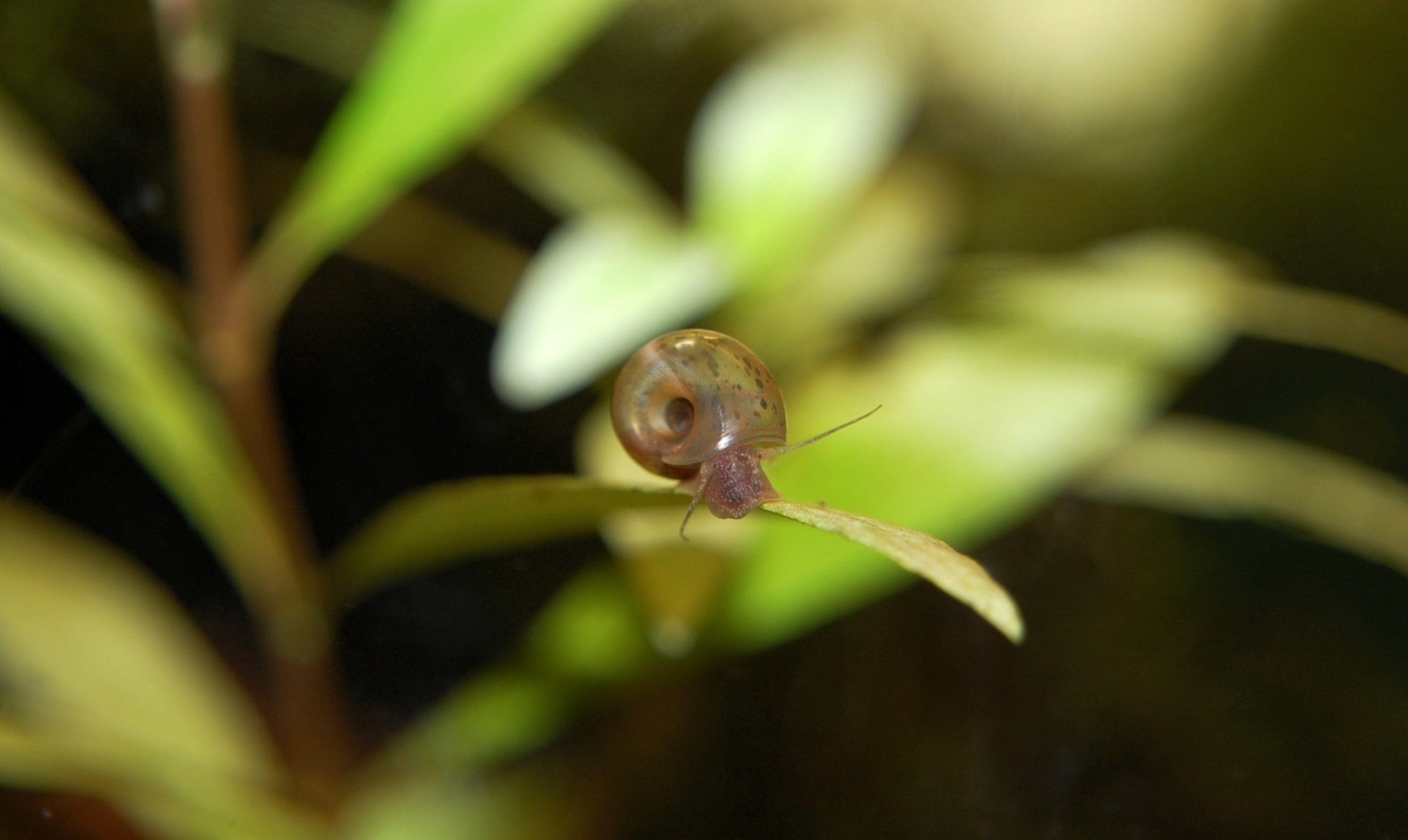
Perhaps the most misunderstood of all the common aquarium dwellers are the ramshorn snails. You’ll have a choice between two main species, both very different in their behavior. One, the so-called freshwater ramshorn that’s frequently included with live plant packs, is an aquarium pest.
Identifying Ramshorn Snail Species
Fast-reproducing, this animal eat anything it can get into (including your plants). The other one, the saltwater ramshorn or its close cousin the mystery snail, doesn’t behave the same way. If you feed strictly, you can keeps some species of freshwater ramshorns in check.
The takeaway is to make sure you identify exactly what you are buying before you purchase it. This will save you from a population explosion. As for natural algae control, the gold standard that doesn’t overpopulate is Nerite snails.
Nerite Snails for Algae Control
They gives birth to live young rather than laying eggs that hatch in fresh water. Because their eggs cannot develop in your tank, there are no babies and no overpopulation, yet you still enjoy the benefit of an algae eating machine. They eat mostly soft green algae and diatoms, scraping them off hardscape and glass with remarkable efficiency.
They’re pretty hardy as well, able to tolerate a wide range of water conditions. The tradeoff? They needs some calcium in the water to maintain their shell.
You can provide it either via supplementation (food) or by growing live plants that release calcium naturaly into the water. It’s a simple exchange: labor for a stable environment. Mystery snails are better cleaners.
Mystery Snails as Tank Cleaners
They are excellent cleaner, and unlike nerites, they are larger, friendlier animals that can also help clean up leftover food. While they will scavenge waste from the substrate, their main talent lie in their ability to consume algae. By removing any organic matter before it rots, they prevents pollution of the column and leave the water clearer.
These creatures come in many colors, not just ivory like classic mystery snails, but beautiful yellow or even blue ones too that make for interesting viewing in the tank. And unlike nerites, they do reproduce in freshwater tanks…but ONLY when given an opportunity to lay their eggs outside the water (above the water line). If you keep the tank covered, this reproduction does not happen at all.
What you end up with is a big, strong cleaner animal that won’t overrun the ecosystem so long as you control the lid. Another reason to have assassin snails is that they are predators that eats other snails. They are not great at eating algae, though.
Assassin Snails for Population Control
They are a really good snail population controller. Want to get rid of your bladder or trumpet snail problem? An assassin snail will find and devour it.
It is also fascinating to watch. They use a proboscis to shoot enzymes into whatever they’re going to eat then suck up the liquefied innards. It is best used when other snails is around to feast upon, because otherwise they starve.
It is a specialized tool. It is not a general cleaner. But it is so useful when you want to reduce populations naturaly.
Choosing the Right Snail for Your Tank
So how do you choose? Well that depends on your issue. Do you want some algae removed… Get some nerites.
Want to manage waste? Some mystery snails will handle this task well. Got too many of the wrong species?
Bring out the assassins. Each member has a purpose and the tank is now a balanced system. You’re not fighting the biology any longer, but instead working with it.
Plants are healthy, the glass is clean, and you’re spending more time watching than scrubbing. Actually, snails should of been in most tanks to begin with. They can absorbs toxins too.
