
Setting up a new aquarium take time and patience. Before you introduce any fish you has to manage water. Unfortunately most new aquarists do everything wrong here because they think “hurry up”.
How To Cycle A New Aquarium Tank Quickly
Why You Must Cycle Your Aquarium
Setting up the tank this way will result in a bad environment for your animal. The unseen process of the nitrogen cycle are the colonization of bacteria on your filter media where they transforms deadly ammonia into nitrites and finaly into less harmful nitrates. To accelerate the process (without compromising it) you need to establish a strong bacterial colony within less than twenty one days.
How? Feed the bacteria regularly and keep track of water measurement readings with extreme accuracy. No, it’s not magic.
It’s patience and chemistry.
Choosing the Right Filter Media
Set up your filtration system properly; it must provide biological surface area where the bacteria can grows. This will be your first line of defense against nitrate.
The best filters is those that has lots of nooks and crannies where the bacteria can anchor itself such as a canister filter with ceramic ring or a high quality sponge filter. Stay away from those smooth plastic ball which do not give much surface area. Immediately turn on the filter once you setup your tank.
Flow mean oxygen. Oxygen drive the colonization process. Don’t wash the filter media with tap water later.
That chlorine kills off the colony that you’re trying to grow.
Adding Ammonia to Start the Cycle
The next thing you need to do is add some ammonia as a food source. Waste from fish can works here, but it’s unreliable and will likely stress your livestock.
Instead, use a bottle of liquid ammonia that’s specifically made for fish keeping. Seachem Ammonium Chloride is just one brand of these solution. It is pure ammonia with no additives.
Add just sufficient ammonia to bring your tank level to 2 ppm ammonia. This represent a lightly stocked tank, and the ammonia serve as the food source for the bacteria. The bacteria won’t live without a food source.
If you don’t do this, then the cycle fail to even start. Most folks go off the rails here…
Testing Water Parameters Regularly
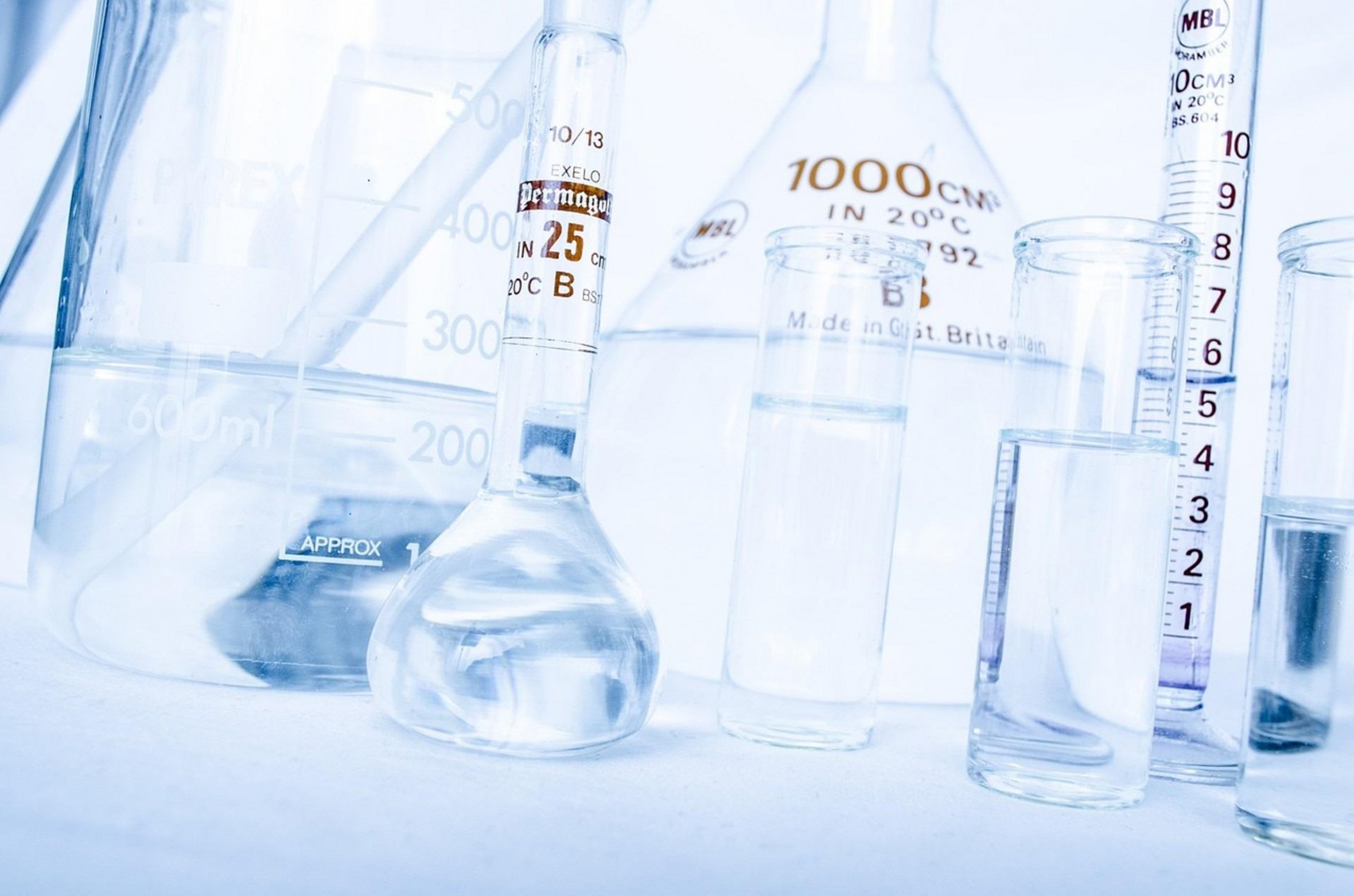
Testing.
Use a good liquid test kit; never use those silly strips if you’re down in the lower concentration. Test every two days: nitrite/nitrate/ammonia. See the nitrite/nitrate/ammonia increase?
Ammonia levels rose and then fell as nitrite and nitrate level increased, which signal that the process is functioning. Do you see ammonia spike and then drop as nitrites rise? Your filtration are insufficient or you have an irregular food source.
Dose accordingly. Maintain the ammonia at 2 ppm so the bacteria can continues to multiply. The biggest factor of all?
Maintaining Optimal Water Temperature
Temperature. Yes, bacteria are alive! And warm temperatures makes them happy.
Set your tank heater to maintain water temps somewhere between seventy eight, eighty two degrees Fahrenheit. The warmer the water, the quicker the process. The colder the water, the slower the metabolism and the longer the cycle will take.
That’s why folks who live in warm climates with heated rooms tend to complete their cycles quicker than they should of. However, don’t go over eighty-five degrees. This stress future fish and reduces available oxygen faster then surface agitation can replace it.
Managing Light and Algae Growth
Forget about light. Keep the light off or turn it on for as little time as possible during the cycle. Algae will competes with other organism for nutrients and it’s not going to be pretty.
Don’t worry about showing off your hardscape at this point. Think biologically first. Cloudy water is preferable over clear toxic water.
That’s the bacterial bloom. As the bacteria population stabilizes and the food supply balance out, it’ll becomes clear.
Completing the Cycle and Adding Fish
Once you see no ammonia, no nitrites, and some nitrate, you’ve completed the cycle.
Usually, this will be between day fourteen and day twenty one. Don’t rush it with the last test. Let it stabilize for two days in a row.
When that occurs, do a water change. Remove 20% of the water. You’re removing the nitrates that have been made.
You reset the system for your fish. You created a life support system from scratch. Congratulations.
Now you can add livestock gradualy by adding just a couple of fish at a time so as not to shock your newly developed colony. Congrats, the toughest part is done. Sit back and enjoy the quiet of a balanced tank.
