
Even with good water quality and proper feeding, many people notice that their corydoras catfish don’t behave very well in there home tanks. The tank looks like something is wrong, but there’s nothing obviousy wrong with the water. The corys just aren’t being themselves; they’re not active much and they appears subdued.
Because most hobbyists assume their corys are robust, they don’t pick up on this problem. Sure enough, corys can survives just about anything, and that’s why so many folks keep them singly or in twos/threes. But surviving isn’t the same thing than thriving.
Why Small Groups Stress Corydoras Fish
The Problem with Small Groups
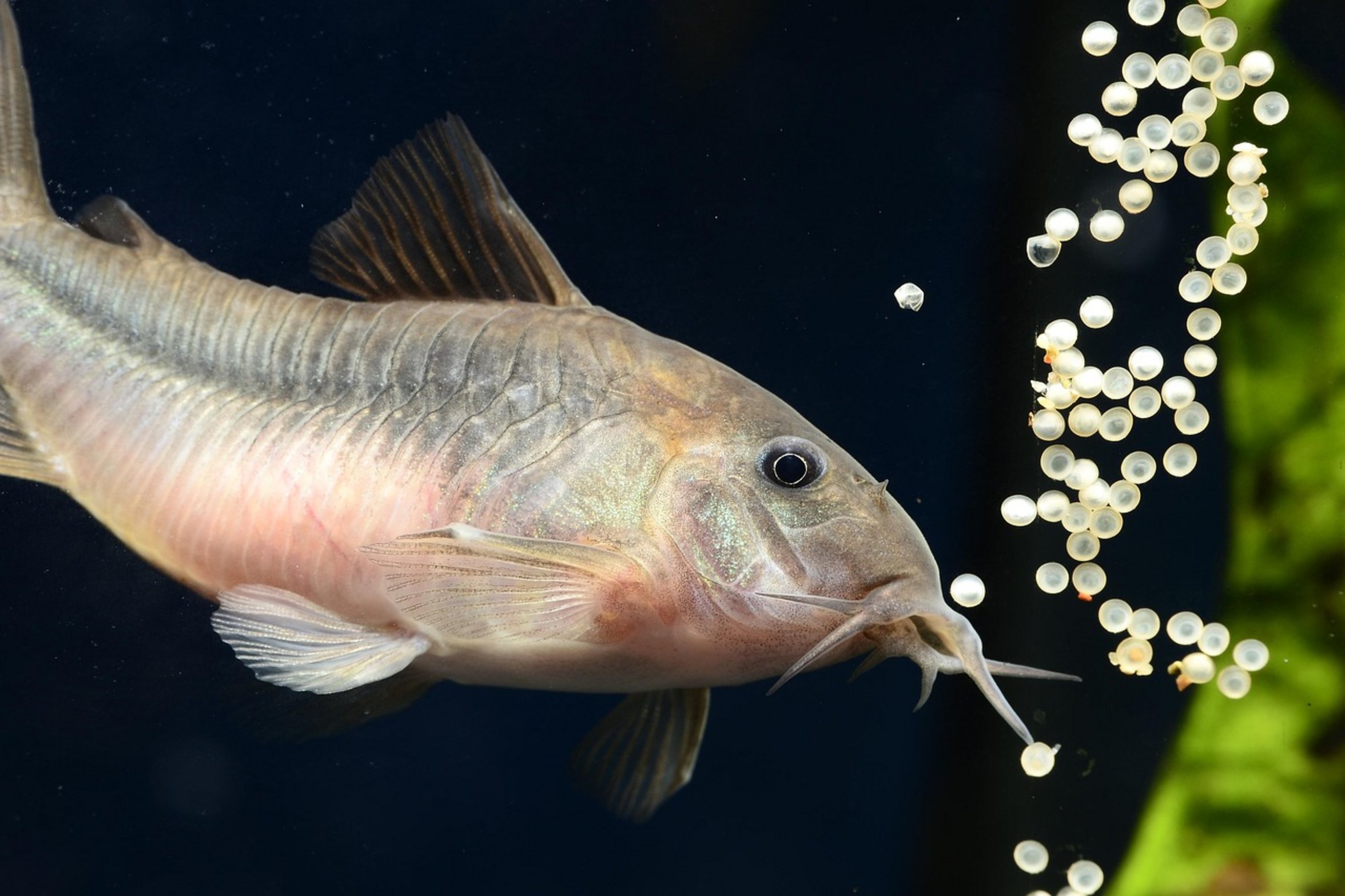
There is also a question of social dynamics at play here. Corydoras are very social animals. They has grown to live in schools of many individual.
In the wild, there are no tanks with walls. There are no doors. It’s a much larger space than what you can offer in a home aquarium, but it provide structure and safety to loose groups of corys.
By separating the corys into a small number, you create an unnatural comfort zone for them. Instead of being free to forage and be active, they hides. Instead of being playful, they are timid.
Social Dynamics and Stress
Adding just a few more to make you feel like they have enough company actualy leads to their well-being slowly declining. Small groups gets stressed out and rigid in their social structure. There’s no wiggle room.
Two to three fish doesn’t leave much opportunity for complicated interactions that tend to reduce stress in bigger group. One strong-willed member can dominates food sources and pick on other members with little resistance. Subordinates lack support from each other and have nowhere to turn.
They are stuck and always anxious about it. That stress show up as constant hiding or odd behavior. But the fish don’t appear sickly, they simply aren’t acting like themselves.
And that makes this a subtle issue. These rigid hierarchies break down in larger groups. With multiple (6+ in this case) Corydoras, the social pressure is diffused.
There isn’t one fish that dominates all others, so hierarchy is more fluid, and not as oppressive. As a result, the fish don’t waste as much energy fretting over status. They gets to do more of what they want.
I find this is missed by many who believe a pair of corys is sufficient company for their fish. A trio is often worse than a pair because power imbalance is even more extreme. The middle fish then becomes caught between the alpha and the beta, with a tense dynamic that never seem to resolve itself.
Behavioral Enrichment and Activity
Another big part involves behavioral enrichment. By nature, Corydoras are active foragers and quite curious. They’ll explore the entire bottom of your tank, sifting through substrate, nudging decorations, etc. This behavior is infectious if they’re in a large group.
One will begin digging, then suddenly everyone’s at it. It’s quite a sight to see. However, without social reinforcement (in a small group), this impulse dies.
Your fish won’t explore; they gets lethargic and just hang out in the corners staring at glass. You’ve lost one of the very traits that attracted you to them in the first place.
Breeding Requirements
Finally, there is an element of group size related to breeding. In order for any pair of adults to successfully breed, they need enough fish to do so. A trio won’t cut it if you’re hoping for some baby Corydoras. There isn’t enough physical stimulation or chemical signals from other members of the same species to get them going on the breeding behaviour.
It’s like when the rain starts falling in the wild. They all know it’s time to mate because of the movement and chaos that occurs. In large numbers, your tank environment mimics this.
Large tanks don’t always need big numbers, although bigger is better. However, there is a critical mass where larger groups mimics the wild. This is the breeding stimulus they are looking for.
Without a critical mass, the breeding cycle sits dormant even though you might have healthy adults.
Protection from Predators
That’s where tank mates can make it even more complicated. Keeping a small group of corys with other, more aggressive or faster species leave them exposed. They’re more easily picked off and out-competed for food. Predators can’t distinguish one fish from another as easily. A bigger school creates a visual barrier that confuses a predator, making the school appear to be one big unit.
Schooling behavior is also their first line of defense. By keeping group small, they lose that defense and become exposed to fin-nipper predators or those who want to outcompete them for food. Keep in mind, the smaller the group, the greater the risk.
Recommended Group Size

What’s the answer? Simple, but you’ll have to plan for it. Get at least six.
That way there will be sufficient social complexity to maintain the pecking order, sufficient activity to liven up the tank, and that all-important critical mass to allow natural behavior and even breeding. You don’t need a hundred to make them happy. Six means getting enough to fulfill their social nature.
Make sure your tank has ability to handle the bioload. But don’t skimp on the quantity of fish because of size of the tank. Better to have a lot of fish in a small, crowded tank than a few lonely fish in a large, empty tank.
First things first, what do you have? How many? Don’t think you can simply add another if you’ve got two or three.
Nope, not gonna work. You should of jumped to the recommended minimum. Add just enough fish to completely change how they interact.
Let ’em get established. In most cases it won’t take long, often days. Before you notice the difference.
Foraging starts. Hiding ceases. The personality comes back.
You invest very little food and tank space but reap a massive reward in terms of animal welfare. Those Corydoras will reveal their true selves.
