
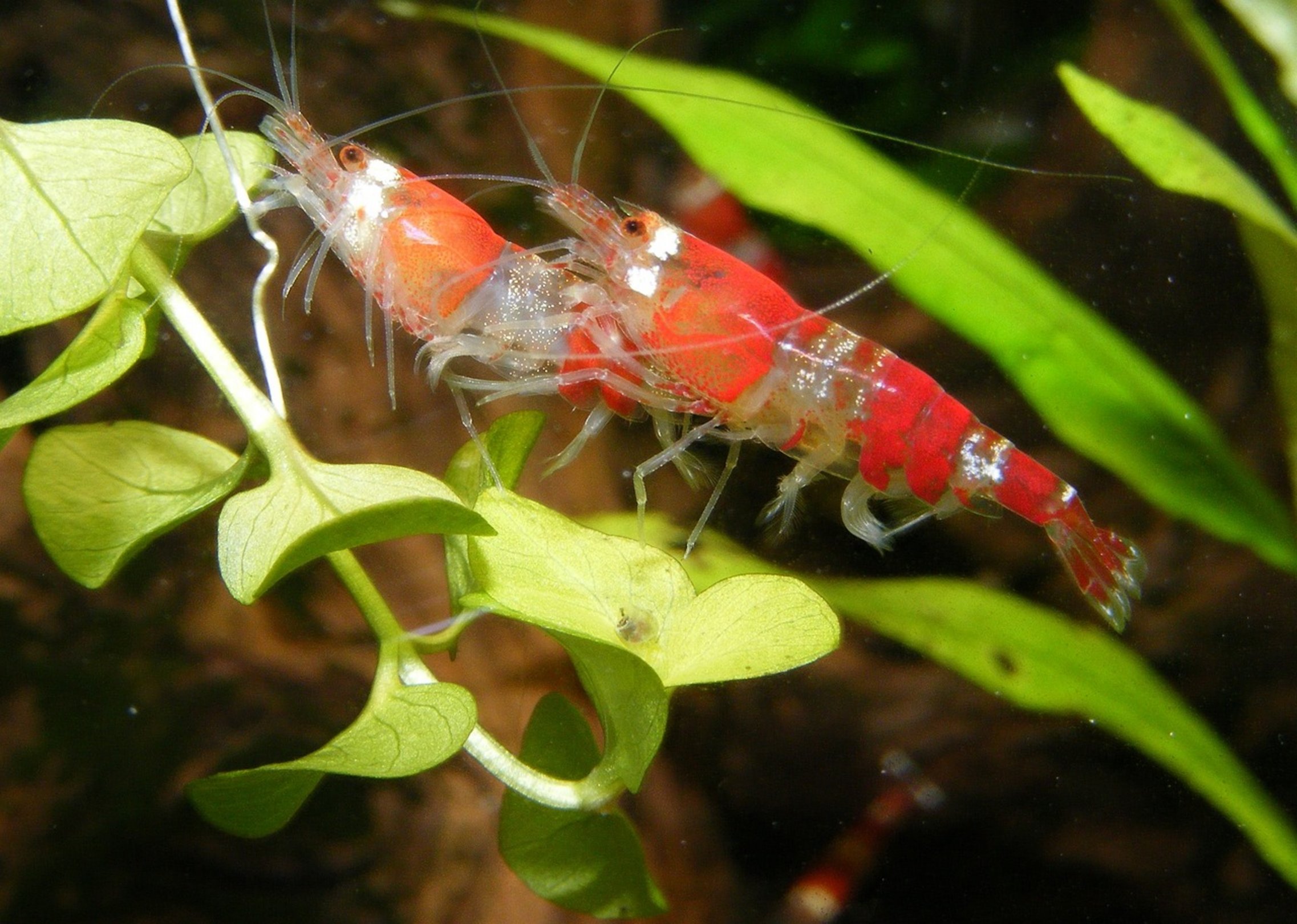
There is a quiet magic in watching Cherry Shrimp (scientific name: Neocaridina davidi) swimming around in a planted tank. They add some colors to the tank (red on green = nice). More importantly, they brings your tank to life.
Most hobbyists buy the shrimp because of how they look. As such, hobbyist think the shrimp are low maintenance decorations. In other words, these is not invincible.
The shrimp are indeed hardy, yet they have a more fragil lifespan different than strong fish. How long do they live? Knowing the life expectancy of your crustacean will help you understand what is realistic.
If all things are perfect, Cherry Shrimps can lives 2-3 years. Seems like a long time. But often times you lose half of that due to seemingly insignificant error in your tank/tank setup or water quality.
Key Factors Influencing Cherry Shrimp Lifespan
Factors Affecting Lifespan
A very small environmental cue makes a huge difference, the difference between having a thriving shrimp or one that die quickly. You need to take extra special care of its environment (more than you probably think). The very first factor under your control is temperature.
Optimal Water Temperature
Yes, Cherry Shrimp are a cold water shrimp. They originated as a species of shrimp that thrives in cool waters in Asia. Your warm aquarium (for those tropical fish such as Guppies or Neon Tetras) increases the metabolism of the shrimp.
And what does a high metabolism cause? It cause the shrimp to age faster. Also, it causes their immune system to weaken quicker.
Keep the tank in the 68-75 degree F range. Temperatures above 80 degrees shorten their lifespan by almost half. So water is critical.
Water Chemistry and Stability
Specifically, the pH and overall hardness of the water. The shrimp are very adaptable to moderately hard, mildly alkaline water with some stability. They depends on that water to have minerals to form and retain their exo-skeleton as it sheds (molts).
Without that mineral content, they can’t harden off a new shell if your water pH fluctuate significantly or is quite low. They will then starve or get infected in a soft shell. Fortunately, most tap water are okay.
Water purified by reverse osmosis not remineralized will quickly wipe out a population. It’s not all about being perfect but having stability is critical. Don’t neglect the fundamentals.
Proper Feeding Diet
The issue often comes from the feeding behavior of existing tank inhabitant. Newbies think that algae + whatever leftovers the fish leave behind is enough for the shrimp. It’s a risky bet.
While Cherry Shrimp are opportunists (scavengers), they has unique diet requirements. To keep them healthy and colorful, you must feed them correctly. If not given specific shrimp foods, such as Sera Shrimp Food or similar biopellets, they will starve themselves eventually.
Additionally, you should offer live food such as stone/wood biofilm. That natural foraging is essential to their lifespan. Shrimp need to survive another month?
Supporting the Molting Process
Success depend on molting. To increase in size, each shrimp needs to shed his shell. Molting is extremely stressful.
The shrimp can actualy die during this time. Water with any amount of ammonia, nitrites, or nitrates and/or heavy metals will kill him. Stable water can still be deadly when filtration isn’t maintained.
Test your water frequently. Ammonia levels that are safe for a hardy Pleco can be lethal to a tiny shrimp. Partial water changes at regular intervals is the most effective way to avoid molting failure.
Choosing Safe Tank Mates
A common mistake people make is not taking into account how well tank mates gets along. Just because a small fish isn’t going to hurt you doesn’t mean it won’t eat your shrimp. There are certain species that is known shrimp hunters.
Even if your fish aren’t known as aggressive, some (like Harlequins) will take nips out of a shrimp’s legs. Nipping can cause an injury which may be lethal. Bettas are very popular, but they’re also known to eat shrimp, particularly juveniles.
Creating Hiding Spots
To get your Cherry Shrimp to live to their maximum potential of 2-3 years, you’ll need a well-planted tank. Things like Java Moss and spider plants creates hiding spots for the shrimp. These spots let the shrimp escape hungry mouths.
When shrimp don’t have places to hide, their stress level goes up and they shorten their life span. Long term survival of Cherry Shrimp has more to do with careful consistency than expensive equipment. Stability rewards them with vibrant color and longevity.
Feed them the right amount, give them proper cover, keep the water parameters stable, and maintain correct temperatures. This provide conditions that allow them to thrive. The red color isn’t just genetic, it shows health.
Guard it well and they’ll be in your tank for years.
