
These little guys are tough, making them worth your time if you can be patient enough to let them settle in. When they do, your time will be spent enjoying them rather then maintaining the tank. Because of how they are built, they can survives in many different environments.
This make them perfect if you want something interesting that is easy to care for, even if you are new to keeping fish. New aquarists tend to be tough on their shrimp, just as if they were a fish. You quarantine the shrimps for days or even weeks.
You keeps testing the water parameters all the time. Is this required? No, it isn’t.
Cherry Shrimp Care Tips For Beginners
Why Cherry Shrimp Are Low Maintenance
*Neocaridina davidi* evolved in the temperate climate and could survives different conditions. They aren’t fragile creatures demanding meticulous care. Consider them as strong animals preferring stable condition.
Stable Water Parameters and Conditions
Stable is better then unstable (changing from chaos to perfect). Shrimp tolerate wide ranges of water parameters. For example, they can lives in a pH range of 6.5 to 8.0, which covers many water conditions found in people’s homes.
Regarding temperature, cherry shrimp will tolerates anything between 64; 77 degrees F. Therefore, you do not need to buy all those expensive salts and buffers. Most tanks uses standard dechlorinated tap water with success. What kills them is rapid change in ammonia and nitrite level.
A spike in any one of these values suggest that your biological filter isn’t working. However, if your tank is cycled, shrimp won’t be at risk.
Simple Diet and Feeding Tips
Their diet is easy and occasional.
Scavenger shrimp will feed on whatever is present in the tank. Because overfeeding results in degraded water, which in turn can not be cleaned fast enough by the shrimp, a few high quality shrimp pellet per week is sufficient, though you should of supplement this with blanched vegetables once or twice a month. Once or twice monthly, try some blanched spinach/zucchini.
There’s also plenty of biofilm from decorations & glass for them to nibble at. Such an easy maintenance diet guarantees both health of your shrimp and a clean tank.
Tank Setup with Live Plants
The biggest danger to a shrimp colony is its predators.
Cherry shrimp aren’t safe from fish bigger than guppies. Tetras may not touch adult shrimps but still can takes babies. To hide the colony, you need to add many plants to the aquarium.
Cryptocoryne, java moss, and hornwort all creates breeding areas and hiding places for when shrimp shed their shells. If there’s no vegetation in your tank, even with best water parameters, you won’t have any shrimp soon. Plants provides a safe haven and nursery space for them.
Easy Breeding and Colony Growth
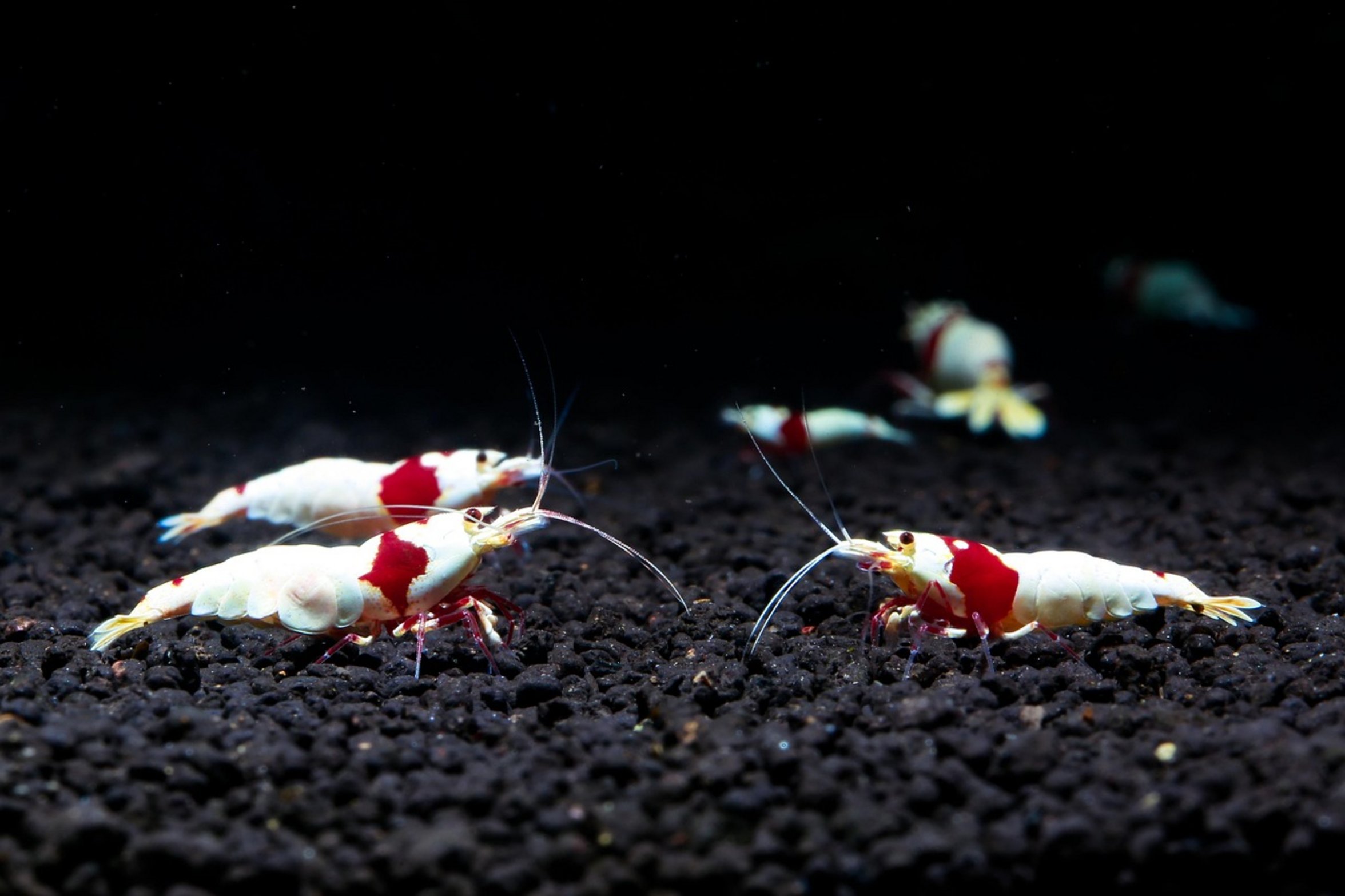
They breed well, and breeding is easy, almost no work at all. Eggs are carried by females on their swim paddles until hatching time. That way, babies aren’t exposed to outside pressure.
Babies are miniature versions of parents and start feeding right away. Like the older shrimp, they consumes biofilm and detritus. In a few months you’ll have a tank full of offspring if you has only one breeding pair.
Their ability to reproduce so successfuly speaks volumes for their adaptation to life in captivity. Cherry shrimp keepers are successful because they is restrained. Provide them with a planted tank.
Add some occasional food. And then step aside and allow the shrimp to rely on the microbial ecosystem you provide. They breed successfully and clean the tank, but make sure to provide dense planting to help maintain the population.
Just sit back. The shrimp will handles all of this for you. Stepping back helps create a well-functioning tank.
And the work you put into keeping them is rewarded by a thriving, long-lasting community that need very little attention.
