
The Cherry Barb is frequently used as tank filler, and this tend to be overlooked by most hobbyists. They tend to get lost among other more colorful fish. Those bold stripey barbs or those really brightly colored tetras.
Against a bright background, the fish aren’t very noticeable; they blend into their surroundings, making it an easy oversight. You think they’re just there to fill up some space without adding much personality. But that is where above assumption fails.
If you understand what makes these cyprinids tick, you will find them to be quite rewarding. They don’t just add color to your tank; their movement make them interesting to watch. They also thrive as a group.
That’s why veterans continue to return to these fish, they does well in community environment. And, no, they’re not just a tank’s background noise. When maintained propery, they become the focal point.
Essential Cherry Barb Care And Keeping Tips
Cherry Barb Appearance and Coloration
They begin with male. In good light they are a vibrant rose color. The color intensifies near the tail.
Females is more of silver/silvered-yellow. When school moves together, it’s obvious that there is some sex difference there. If the fish aren’t really bright, it’s probably because water isn’t good.
Schooling Behavior and Group Size
They’re a nice indicator of tank health and that’s another reason you’ll like them. Because they are a very social species, you should treat them as such. This means that keeping just one Cherry Barb is probably not going to let it come out of its shell (literally).
To witness normal behavior, keep at least six. For most tanks, eight or more is ideal since they will be able to create a tight group and feel safe. Seeing a school synchronize a turn are far more amazing then observing one fish darting around trying to hide.
Water Parameters and Stability
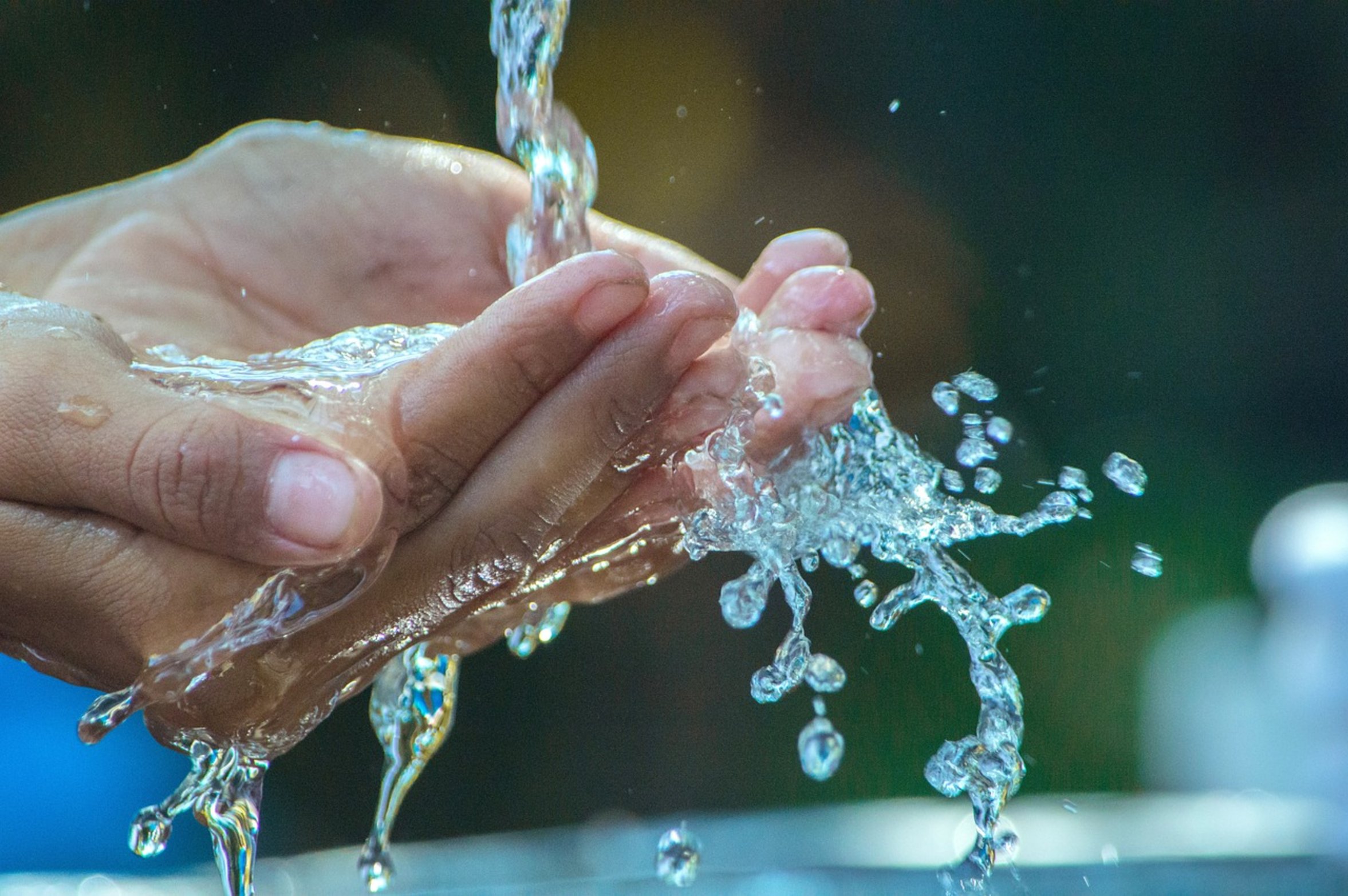
Because of their origin (Mekong River basin), water parameters is important. These guys likes soft to moderately hard, slightly acidic to neutral water that doesn’t fluctuate drasticly in pH. Most set-ups will work at a temperature range of 75-80 degrees Fahrenheit.
Stability is also paramount for them. While they can adapts to less-than-ideal conditions, the best-looking specimens is kept in chemically stable environments. They are relatively easy to feed with a mix of flake, pellet, and frozen foods (live foods stimulates their hunting behavior).
Diet and Feeding Guidelines
They’re omnivorous; they’ll accept either brine shrimp or bloodworms. As a mid-water feeder, be aware that any sinking food might not reach them (other fish will devour it). Overfeeding is bad because leftover food quicky ruins the water quality.
Tank Mates and Compatibility
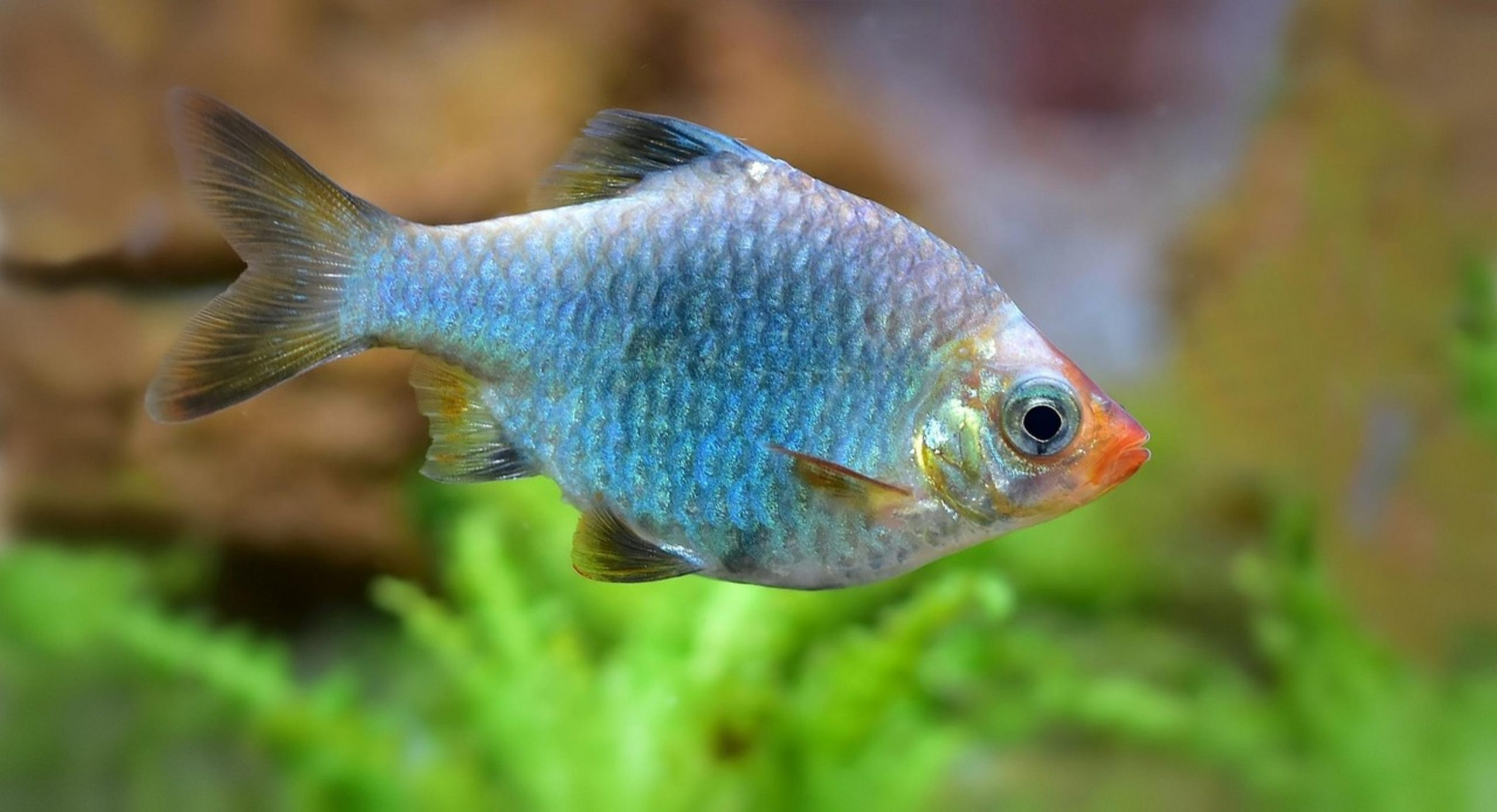
Because Cherry Barbs are active and relatively peaceful, they’re compatible with most community tanks. They’ll hold their own against slow, long-finned fish such as fancy Guppies or Bettas, but won’t mess with Rasboras or even Corydoras. If they’re bored or simply act out of instinct, there might be some fin nipping.
However, they do well in planted tanks with plenty of open space to swim around and enough cover to hide behind. Why? Because people don’t buy flash from the store.
Flashy fish sell. Aggressive fish gets more attention in forums, but it takes time and right group of Cherry Barbs to appreciate what they bring. There aren’t any dramatic quirks.
No tricks. It is just an efficient existence with a steady environment. Once you dial in the water and the group size, the school becomes the focal point where you just enjoy the experience.
