
One condition seen on many fish is fin rot (fraying and ragged looking fins). Fish will appear sluggish, and outer edges of fin will start to show damage, such as turning white. It’s not merely cosmetic; fin rot indicate poor water quality in your tank.
In other words, it doesn’t happen by itself. Think of fin rot as a sign off a declining water quality. Typicaly, this has been developing for multiple week prior to manifesting outwardly.
Once you know what is causing fin rot, prevention become possible. Many novice fish keeper purchase meds without first testing their water. That’s an error in logic.
Medication kills the bacteria but doesn’t cure the problem environment. Unless you eliminate the source, you’ll have to continue treating forever because the rot will recur once you cease treatment. Your mission are to help the fish recover AND stabilize your eco-system.
How To Identify And Treat Fin Rot In Fish
Understanding Fin Rot and Water Quality
Fin rot is most often cause by poor water quality, such as high levels of ammonia and nitrite. This mean elevated concentrations of ammonia and/or nitrite. Ammonia and nitrite is toxins that result from decomposing food and fish waste.
Under normal conditions, beneficial bacteria breaks down these toxins and convert them into a far less harmful compound called nitrate. When your filters isn’t providing enough biological capacity, however, ammonia accumulate and burns the delicate fin tissue. This weakened tissue become an opening for opportunistic bacteria to enter.
Testing Water and Initial Treatment
Therefore, you’re fighting two battle. One is the chemical imbalance, and the other is the resulting bacterial invasion. The first thing to do is test your water.
The old saying goes: “You can’t treat what you don’t measure.” Do yourself a favor and get a good liquid test kit. Test both ammonia and nitrite levels. Anything over 0 ppm is lethal in tank.
Antibiotics won’t help if the water are harmful to the fish. Perform a partial water change (20, 30%) to reduce these values ASAP. Make sure to use dechlorinated water that match the tank temperature exactly so you don’t shock the system.
Changing the water too quickly will shock the system, this adds more stress to an already weakened immune system. Make sure you match the temperature of the tank water exact when using dechlorinated water for the change. After making sure the water conditions is stable, treat the bacterial infection.
Treating Bacterial Infections with Medication
For mild infections, aquarium salt may works (it balance salt levels and also inhibits some bacteria). Be careful using salt, however, if you have any shrimp or live plant (salt kills both). If the infection are severe (with deep tissue damage), use a broad spectrum antibiotic such as API Fin & Body Cure or Seachem Kanaplex.
Follow the dosage exact; overdosing will not only cause issues for your fish but also for the beneficial bacteria in your filter. Your first line of defense is deciding what and how much you feed. The number one reason for water crashes have nothing to do with filtration; it’s overfeeding.
Preventing Fin Rot Through Feeding
Uneaten food will sink, rot and spike ammonia. Feed your fish no more than what they can eats within two minutes. If you notice flakes sinking to the bottom, you are overfeeding.
Maintenance and Stress Reduction
You need to use a gravel vacuum to remove excess when performing routine tank maintenance. A clean substrate also eliminate bacterial blooms causing fin rot. Another big one you don’t want to overlook is stress.
Keeping a fish in an inadequate environment (tank size) or having it deal with bullies will result in a suppressed immune system. If you have a fish that’s stressed, it’s more susceptible to disease. Make sure you have the proper size of tank and make sure the community are compatible.
Neon tetras should not be kept alone; they require a school. Betta fish does better alone or with calm company. Chronic stress invite infection.
Don’t ignore their social requirements. Treating fin rot is consistent and patient work. New growth will be transparent and clear, and it will take some time for the fins to recover its original shape/color.
Maintain clean water, monitor the fish daily, and watch them closely. If they don’t improve with treatment, see a vet or local expert. In most situations, keeping the water clean and stressed free do the trick; the fish will heal eventualy.
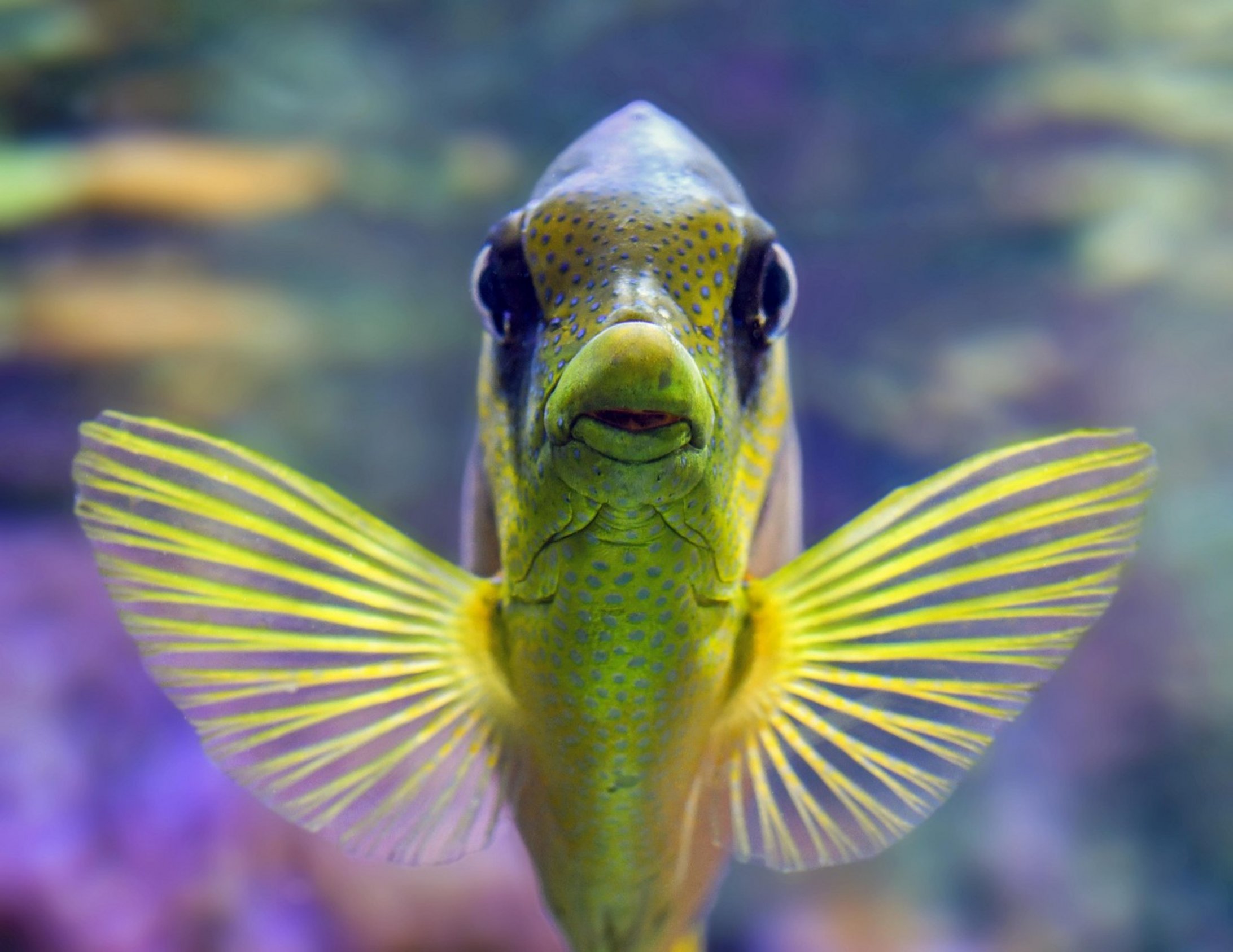
The point I want to make with those fin pictures is that fish are pretty resilient when placed in an appropriate environment and allowed to heal. All it take is diligence; you might need some medication or salt, but you don’t need fancy equipment. You should of used better water quality from the start.
Observe regular, feed only what is required, and check the water. If you keep everything in balance, the water will remain clean and the fins will remains intact. The aquarium will become a stable world of life that exists without constant human help.
That’s the true reward of keeping fish.
