
In the aquarium hobby, the blue phantom pleco are unique among cichlids for freshwater tanks due to its coloration, black with light spots. As it grows, the spotting becomes clearer and make it stand out even more. Is that worth the expense?
To be honest, these fish aren’t inexpensive. And they’re not fish you can throw in any old community tank and expect them to do well. They has very particular water requirements.
Are these fish right for you? Will they fit into your budget and will you be able to keep them healthy? Here’s what you should know.
Complete Blue Phantom Pleco Care Guide
Dietary Needs and Feeding Habits
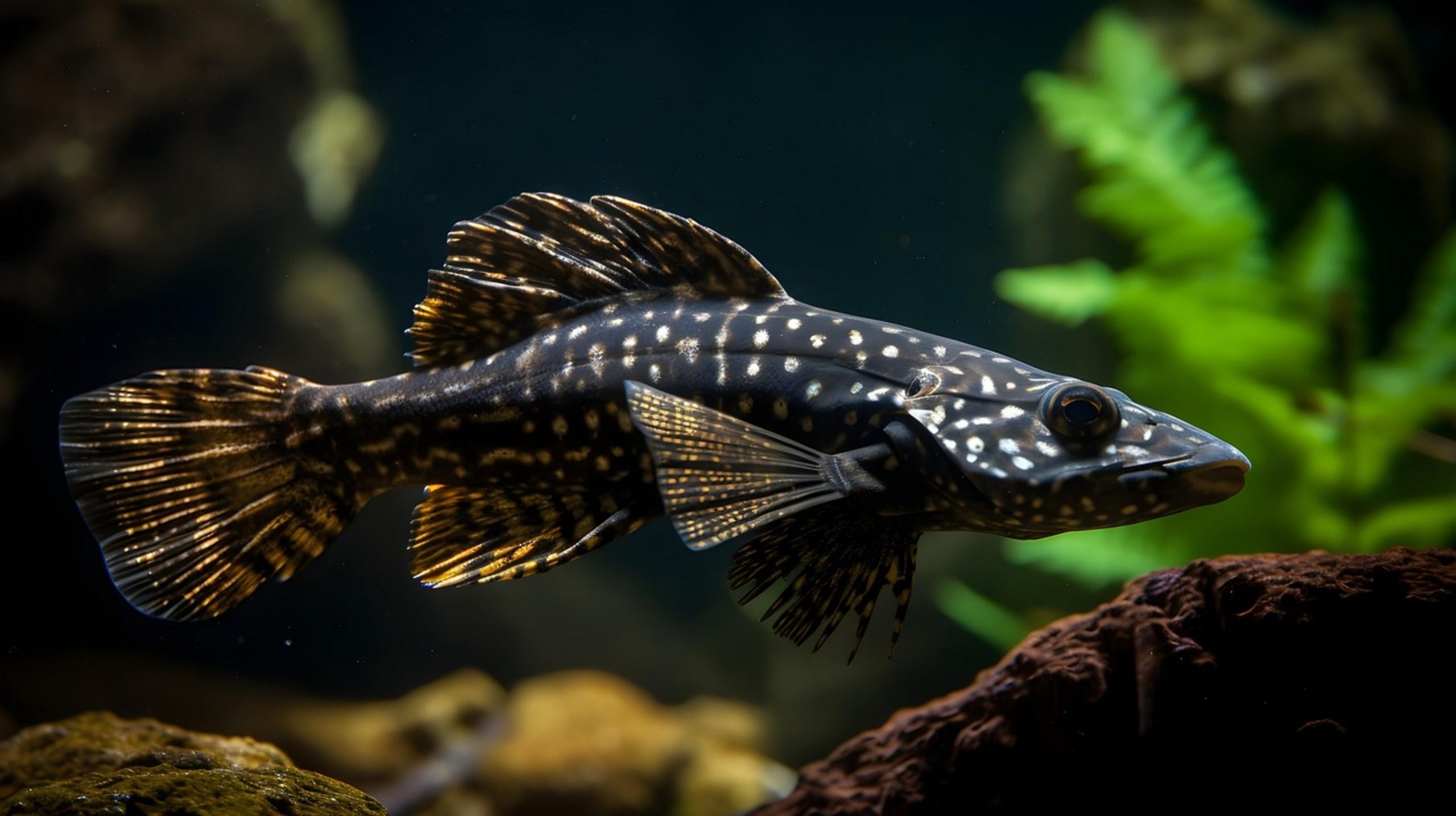
The blue phantom pleco is an herbivore that love to eat algae. It’s an excellent cleaner in established tanks because it grazes on decaying plant material, biofilm, and soft film algae. So, you get clear maintenance benefits and help control the green film on your decorations and glass.
However, don’t assume that they will starts eating your fish food right away. Many newbies do just that. If there’s algae in the tank, the fish won’t bother eating flake or pellets.
Instead, feed them blanched veggies such as cucumber and zucchini. That way, when the algae subsides, you can continue giving them enough nutrients. This ensures they gets enough nutrition once natural algae runs low.
Water Quality and Filtration Requirements
These are some sensitive fish that come from South American fast moving streams. The water those fish live in is not only oxygenated and cool but also very clean. To keep their health over long haul, it’s critical to recreate their environment as closely as possible.
This means maintaining stable water parameters. Maintain water parameters that does not cause stress and disease. Ammonia and nitrite kill them fast.
Also be mindful that they have thin skin that easily absorbs toxins in the water. You’ll want to set up a good filtration system and regularly change out at least part of your tank water. Twenty percent weekly is a safe target.
Tank Size and Habitat Setup
Finally, you must consider the tank size. These are big fish. They’ll reach around a foot long as adults (twelve inches), which is not a small fish for a small tank.
For one adult, I’d recommend a minimum of 50g. Anything less will result in aggression issues due to cramped conditions as well as stunted growth. Remember, bigger is always best with fish; they love to have room to swim around and explore. Vertical height doesn’t matter much, horizontal swimming space does.
Provide lots of smooth rocks and driftwood so they can hide. It will make them happier and mimic their natural habitat. They are mostly peaceful but can get territorial.
Temperament and Compatibility
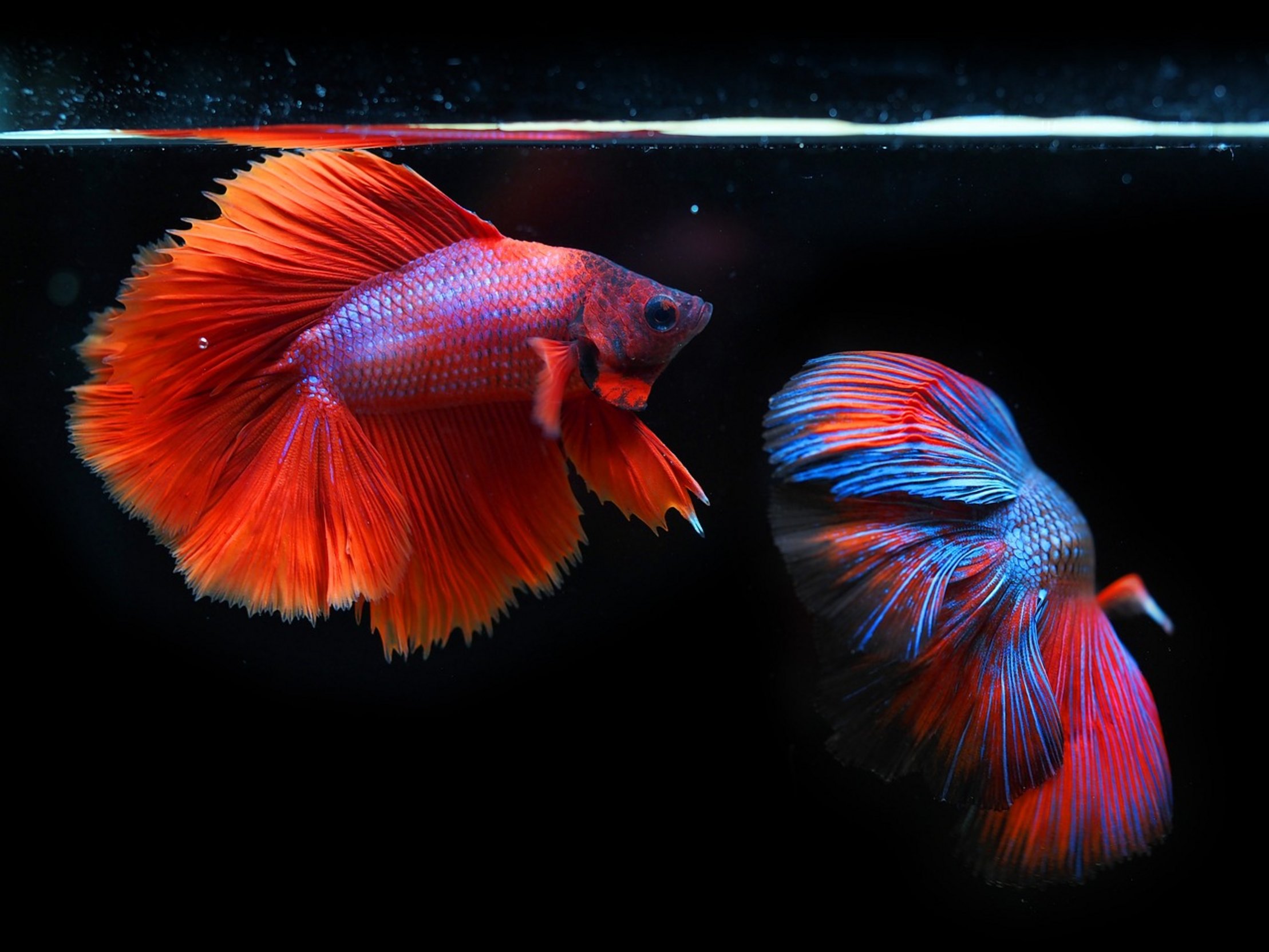
In a small tank two male phantoms would chase one another. Because they determine who’s boss by fin nipping and chasing, it’s best not to keep them together. You could of tried to keep a breeding pair if your tank size allows, but know that there will still likely be periods of aggression displayed.
Aggression is primarily directed towards other plecos. Rarely does this extend to other species of fish. Because they’re hard to breed in captivity, they’re rare and that’s reflected in the price tag.
Wild Caught vs Captive Bred Origins
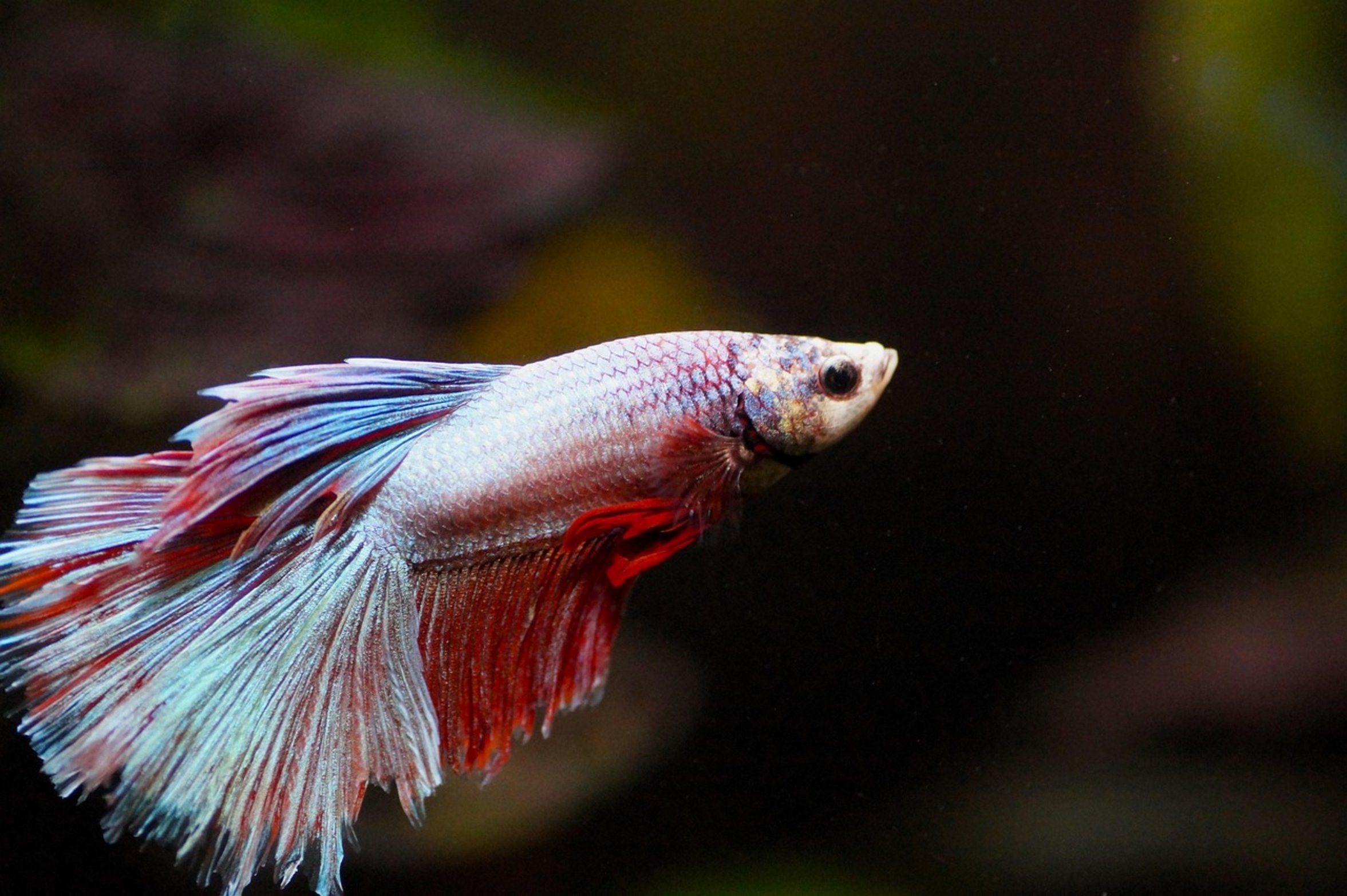
Most are wild caught and from areas that harvest them, even though there is regulation on taking them. Because of this, successful captive breeding requires special diets and water with specific flow, making it difficult. As such, you get what you pay for with a wild caught fish.
Cost Comparison with Other Species
While the adult size is larger and the patterns is more dramatic, so is the price compared to other commonly kept algae eating fish such as a bristlenose pleco. You will be paying for a more dramatic, larger fish that is also harder to keep. What kind of commitment level do you have?
If you’re looking for something that’s not very maintenance-intensive, then you’ll probably want to go with another species. Captive bred bristlenose plecos is easy to keep. These guys are captive bred, and they are much more affordable as well.
They don’t get as large as the blue phantom. So if you’re looking for something a little easier and less costly, consider the bristlenose. However, the blue phantom does come at an increased price and level of difficulty but the payoff is mostly visual.
Final Verdict on Worthiness
There’s nothing like seeing one of those big adults grazing around the tank. Each fish has a distinct pattern (no two fish are identical). This makes them more valuable than just for cleaning the tank.
So bottom line is, make that choice based off your goals. Are you looking for something beautiful as a centerpiece, or do you also want something that works as a useful cleaner? Yes, if it’s the former, then it’s worth the price tag, but again, they’re gorgeous and with proper care can live for decades.
You’ll get your money’s worth over time if you take care of them properly. If you lack space, don’t like to spend much money, or aren’t ready for the maintenance demands, then skip it. It is a fish for hobbyists that has special dietary needs and requires some work.
If you treat it like one, it will be. If you are patient enough and have enough space, the blue phantom pleco will make an ordinary tank into something special. However, know that this fish isn’t cheap, but neither is its beauty.
To give it what it needs, you must put in the work regularly. You must ensure it is a happy fish and that it gets what it wants.
