
It happens all the time: you’re walking through your local pet store, and there it is… In the back of the tank hiding behind some driftwood or pressing its sucker mouth against the glass. It’s the go-to bottom dweller for most aquarium hobbyists: the common pleco, also known as *Hypostomus plecostomus*.
After all, how could they be anything but ideal tank mate? They’ll pick up stray food and remove algae from your tank while not making too much trouble…or so you think. Unfortunately, expectations meet reality in a big way with these fish.
Here’s where biological reality meets good intentions. Plecos aren’t bad fish… At all.
Common Pleco Growth Mistakes and Care Facts
The Myth of the Perfect Tank Mate
Too many people see them as accessories instead of animal. All too many new pleco keepers assume that what’s written on a tag is the fish’s ultimate size and never its potential to grow. This wrong idea means it’s neglected, something that no one familiar with aquatic biology can easily accept.
Typically by the time a pleco no longer fit in someone’s tank, it’s already way past game-over. Why? This happened because you didn’t understand how big they’d get and therefore didn’t understand their trajectory.
Exponential Growth and Tank Size Requirements
Common plecos don’t have a linear growth rate, they have an exponential one. They’re deceptively small when they’re juveniles. Just because you think your four inch, standard-issue “pleco” fits in your typical 20-10 gallon tank doesn’t mean it’s not going to outgrow that tank in a year’s time or two.
That’s the tricky part about plecs. Once they hits adulthood, they double (if not triple) in size easily and routinely get as big as eighteen inches. Females are known to get much bigger…
Up to twenty-four inches in captivity. And this isn’t the exception; it’s the rule. It’s what the species do.
Very few consider how much space an active, bottom-dwelling fish of this size need. That growth spurt also dictates the tank size required. A fish that big require strong filtration and plenty of swimming space.
According to most experts, you should have at least a 180-gallon tank if you’re going to keep just one adult common pleco. Some folks attempt to shoehorn them into a 50 or even a 75 gallon, thinking they’ll be lucky enough to pull it off. Nope.
Their poor little fish becomes an organ failure victim with stunted growth while the water quality take a nose dive due to the bioload. Crowded = slow death. Lastly, there’s diet.
Proper Diet and Nutrition Needs
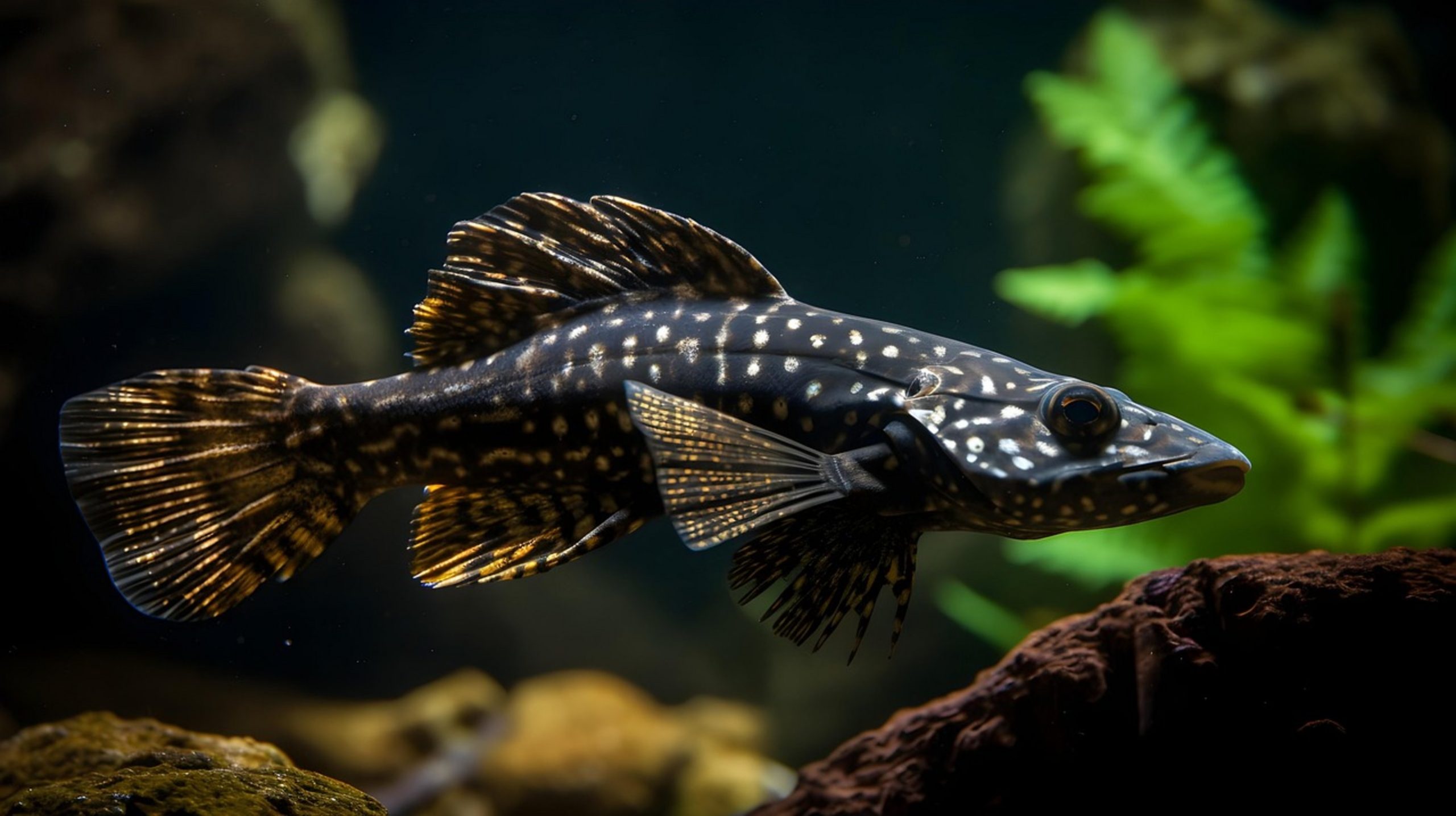
One big mistake people make about plecos is that they’re strictly an algae eater/scavenger. That’s a dangerous mistake. In nature, they spends several hours per day grazing on detritus, biofilm, and wood.
In captivity, algae is scarce but grows very quickly along with other food; because of this, they will literaly starve in a seemingly clean tank. They need to be fed a high fiber, wood based diet like special pleco wafers and vegetable matter. If not, they’ll develop a hollow belly and ultimatey die from malnutrition.
Feeding them flakes won’t cut it either, it doesn’t satisfy their food needs. This isn’t the only source of contention when you bring common plecos into your home aquarium. There’s also the matter of temperature preference.
Water Temperature and Compatibility Issues
Common plecos lives in the cooler waters of South America’s river systems. They do best at water temps ranging from 72 to 78 degrees Fahrenheit. Most tropical community tanks is maintained much warmer, typically in the eighties (eighty being more like it).
The pleco will be stressed by this warmth, which will compromise its immune system and shorten its life. For the guppies or neon tetras that may be cohabiting with the pleco, keeping the tank cool enough for the pleco will make them uncomfertable. They are incompatible.
Social Behavior and Overcrowding
Casual hobbyists tend to overlook social structure. Generally speaking, plecos is peaceful fish, but they’re no loners. They exist in groups in nature.
Keeping one alone in a big tank will result in a lethargic and possibly stressed out pleco. Adding multiple plecos drastically raises both feeding and livig space needs. Few tanks can accommodate a colony of pleco.
This forces the owner to either overcrowd the tank or keep the fish alone. Neither scenario are good for the animal. What happens when all this is compounded?
Responsible Ownership and Better Alternatives
A lot of people give up on keeping adult plecos and try to rehome them. They end up at fish stores, rescue groups, etc., but most are in bad shape from years of improper care. Rescue groups have to take a significant amount of time to nurse them back to health before they get adopted into large tanks as permanent members.
This is a sustainable model for the hobby, but it is a failure for individual fish. It is always better to prevent than to save. I recommend against purchasing one of the popular plecos unless you realy know what you’re getting into.
They can be an interesting and worthwhile fish if you have a large tank and are willing to care for them. Otherwise, consider a more appropriate sized pleco for your tank. For example, the bristlenose pleco (or even the otocinclus catfish) would be more suitable based off a smallish tank.
Don’t buy without considering how big the adult fish will become. Juvenile cuteness isn’t going to last. Plan on the adult now.
