
If you’ve been to a pet store, you’re familiar with the bettas. They usually has their fins out straight behind them as they float about in tank. You purchase a betta because it’s small, it’s low maintenance, and its colorful.
It’s going on your bedroom nightstand or on your office desk. They are Siamese fighting fish. The name doesn’t seem right for this delicate creature.
The disconnect come from the name. The name implies violence and aggression. In truth, they is most often solitary and quiet.
Knowing a little about why this species was given such a combative nickname sheds light on animal breeding and human history as well. It alters perceptions of the animal swimming in your tank. They become more than a nice decoration.
They become living history swimming in front of you.
Understanding The History Behind Siamese Fighting Fish Names
The Origin of the Siamese Name
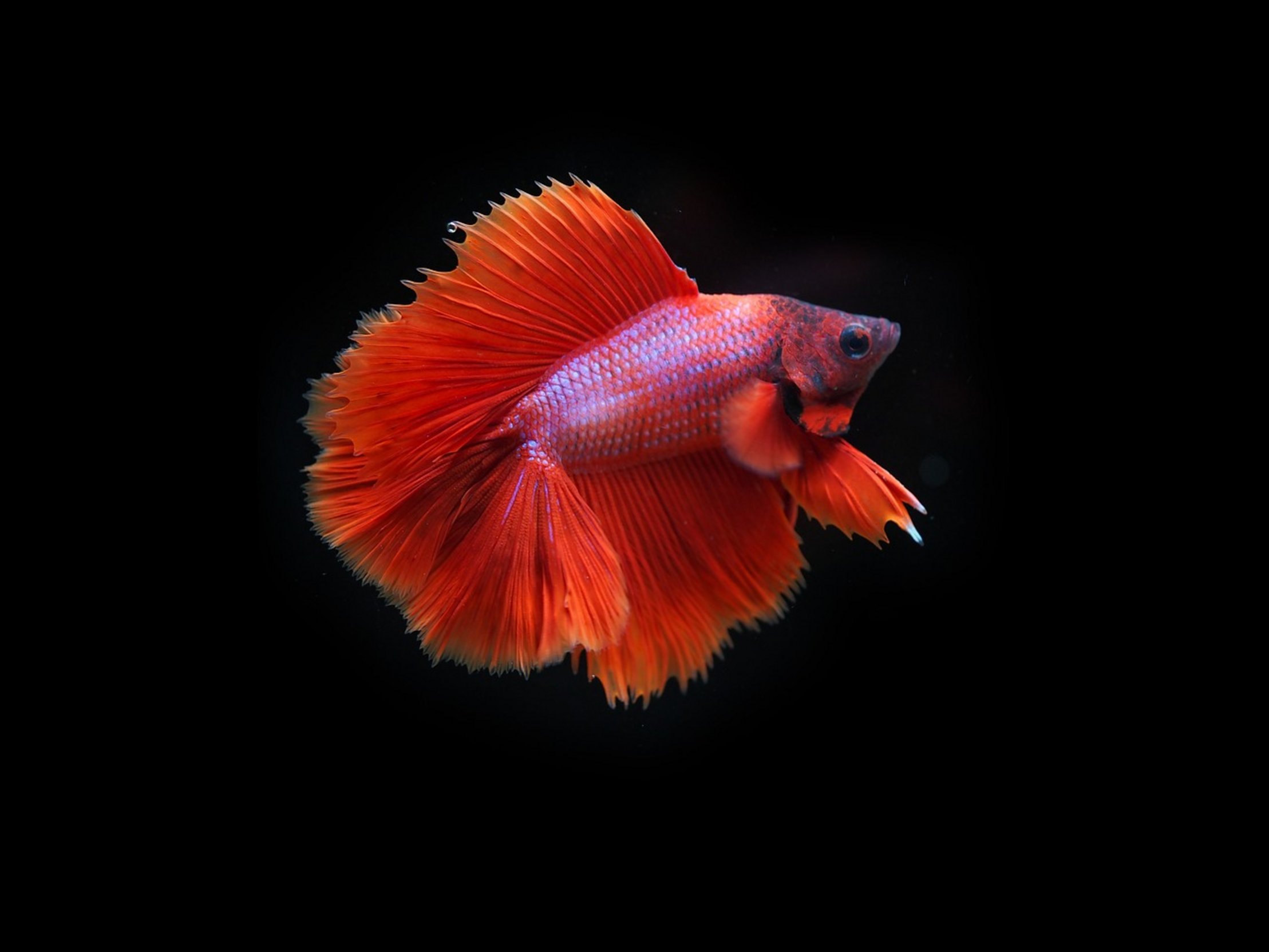
Let’s start with today. Today, the country is located in what is present-day Thailand.
For centuries, the West referred to the country as Siam. That’s where the Siamese part of name comes from. Where it gets interesting are the fighting portion.
Selective Breeding for Aggression
That dates back hundreds of years. There was an observed behavior in males of a species called betta, who would see anything reflecting them and charge and flare their gills. So they started breeding them for aggression.
They would pick out most aggressive fish to breed. That led to selective breeding of a certain type of fish. They were not simply wild bettas, but rather athletes designed for battle.
Over time and through generations, breeders in Siam begins to develop different fin shape types and various colors (color morphs). What they sought out was something beautiful to look at while still fighting. It became a cultural pastime.
People would bet on the match. Fish not only for their beauty but also for their courage. That’s why this name stuck so hard in western language; it has a cultural connotation.
Modern Show Bettas vs Wild Ancestors
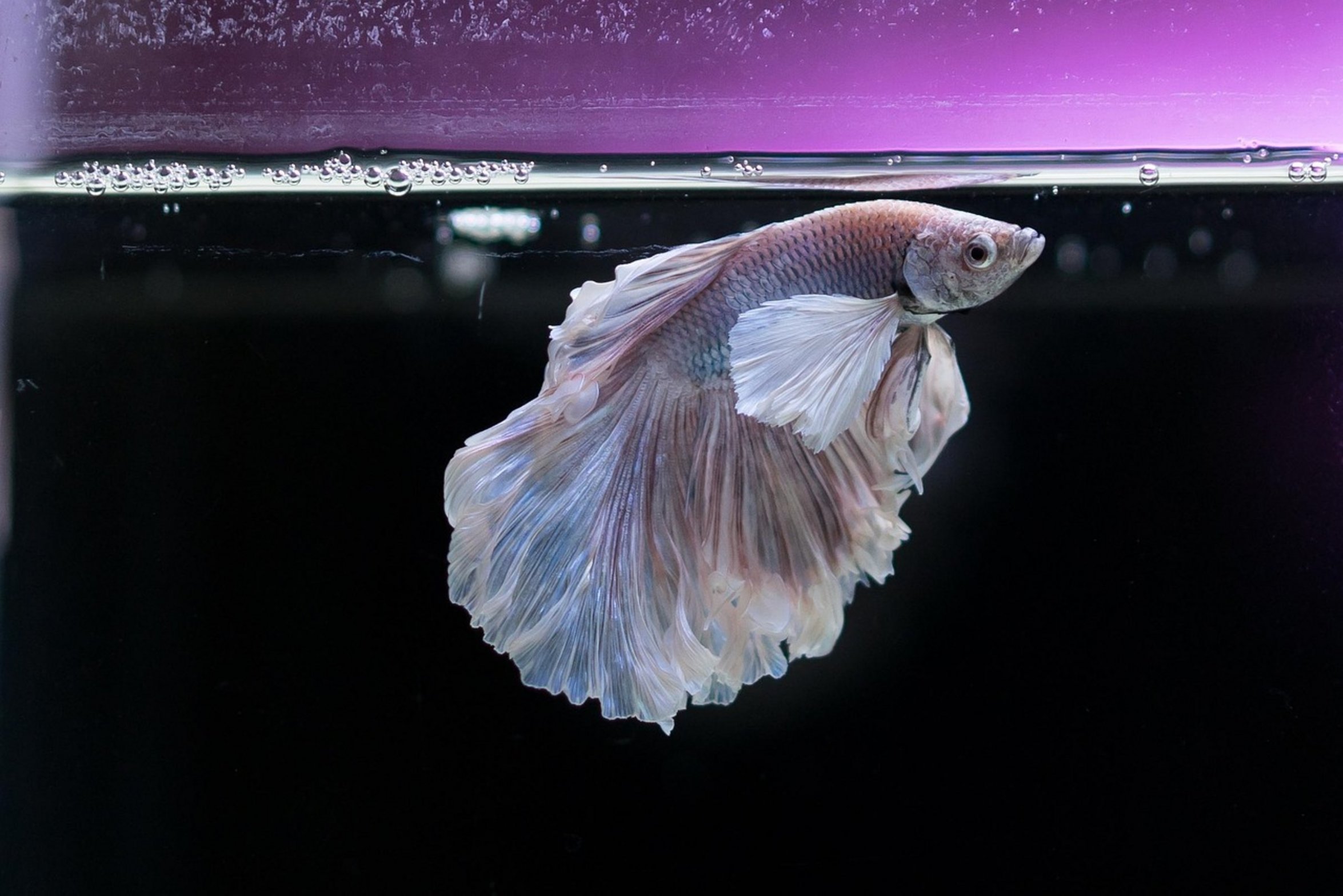
Is a domestic betta still dangerous? Well, mostly no. Today’s aquarium bettas has been selectively bred for show rather than fighting. Color and elaborate fins takes precedence over aggressiveness in the breeding pools.
Keep this in mind. The bettas at your local pet store descended from winners of shows, not arenas. As such they’re much less aggressive then their predecessors.
Understanding Male Territorial Behavior
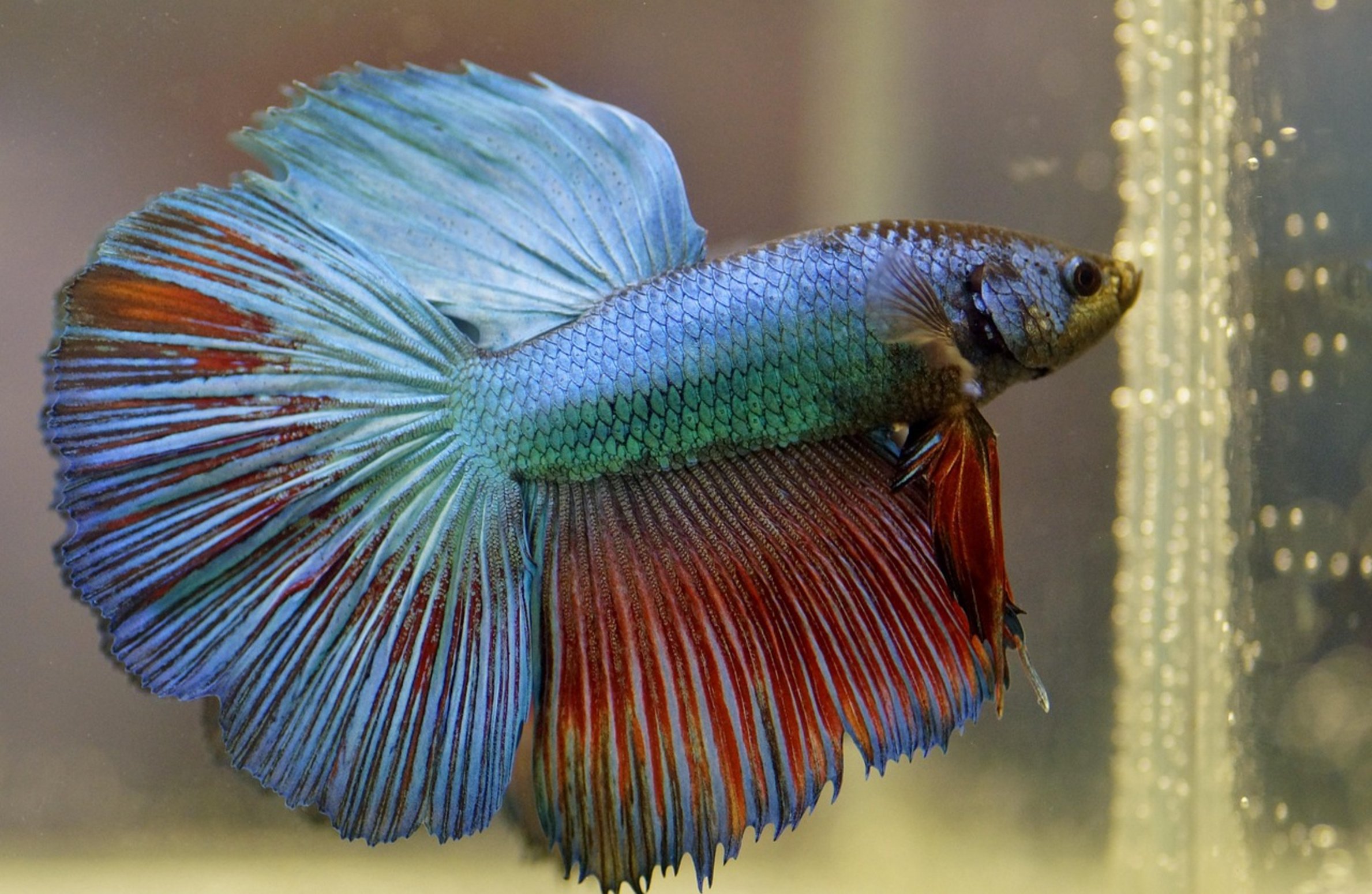
But they still possess that territorial drive. Why else would you never house two male betta together? A gentle betta reacts too.
Bettas is territorial. That means if there is another male in your tank he sees that other male as a challenge to his territory. He’ll flare, pursue, and may even tear the fins of an intruder.
It’s not mean. It’s an instinct. It’s protecting what it sees as its home.
Creating a Stress-Free Environment
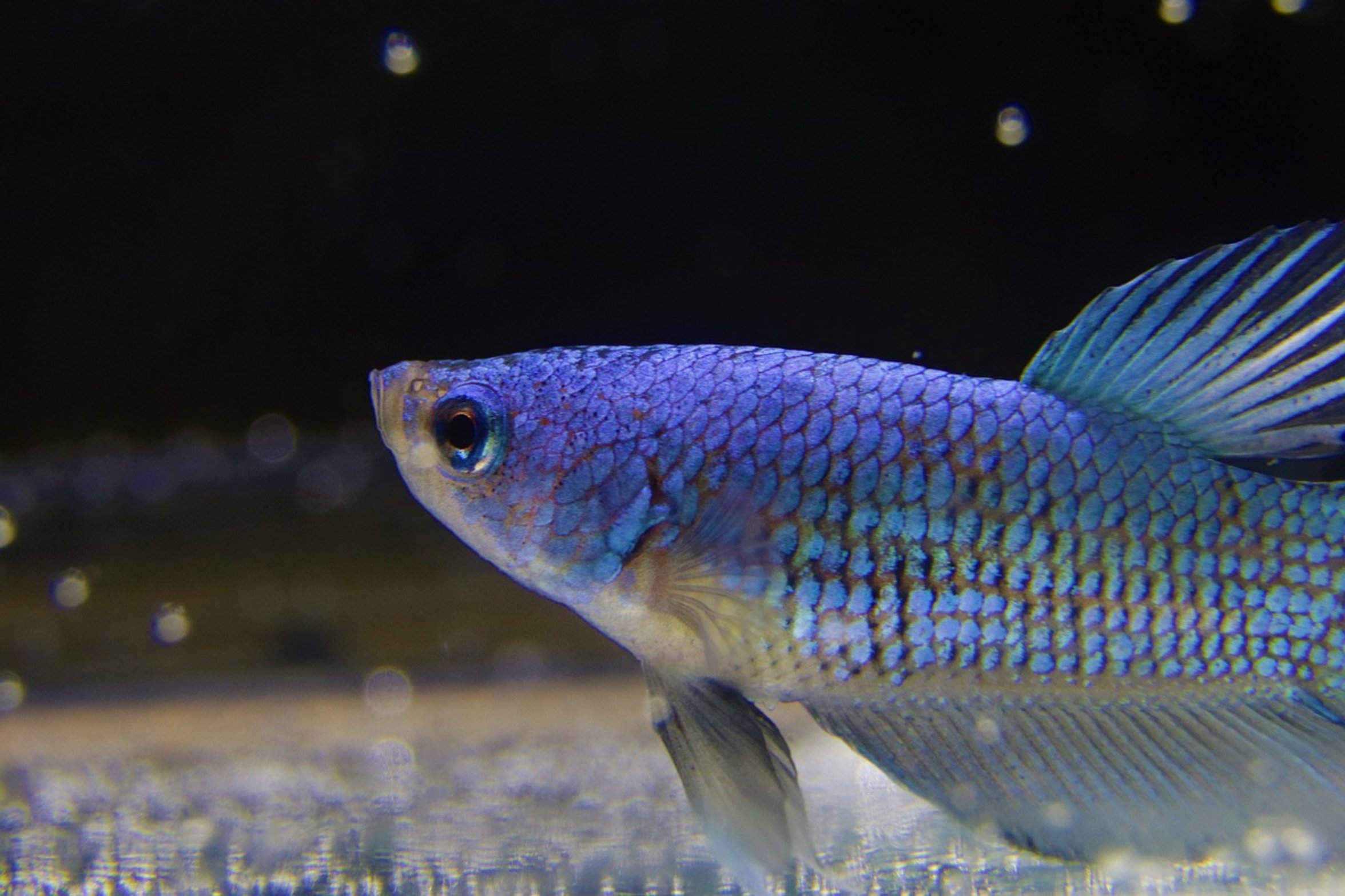
Knowing this makes it easier for you to provide the appropriate environment. Stress is heightened in a small tank. More room and more hiding places reduces aggression.
When the fish knows it can withdraw, it feels safe.
Keeping Female Bettas Together
Contrast this with the female betta. Typically, they’re more tolerant.
Keeping multiple females in one tank, known as a sorority, are doable. They’ll set up their pecking order, split the living area, and go about their business. Is it risky?
Sure. But yes, it’s possible if done carefuly. And again, this demonstrates that the “fighting” descriptor is largely reserved for males.
Respecting the Living History
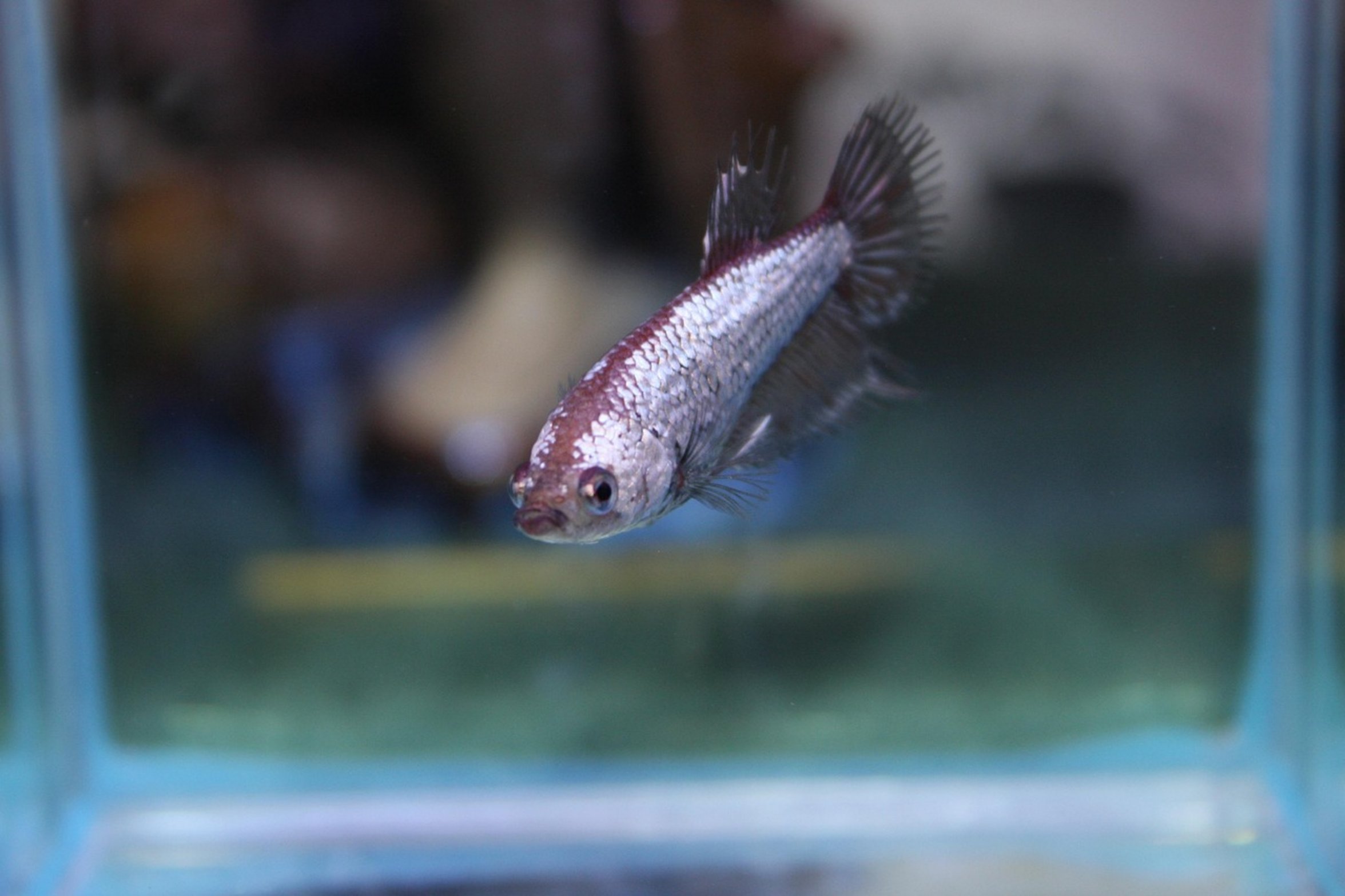
As a species, the betta is quite adaptable. It will respond to its environment (where it lives) and your treatment (how you care for it). If you look at a betta now, what do you see?
You see us. We’ve made them this way. We altered their appearance.
Soothened their temperament. Yet, somehow, we didn’t remove who they were. They are still fighters in their own quiet way.
They fight for their territory. They are fighters for their respect. The name Siamese fighting fish is accurate.
It’s also not telling all the story. It misses the beauty. It misses the grace.
It misses how they are survivors. That’s why I say remember the history when purchasing one. Treat them with respect.
Offer them a peaceful place. Allow them to rule over their little domain. Don’t make them prove themselves through combat.
They shouldn of. Their beauty alone is enough. Just know their story and it’ll help you better admire what they’re doing now.
Not only are they living history; they’re your pets too.
