
The reason most betta keepers start with a single male is obvious: he has colorful, flowing fins and prefers being alone. Seeing just one fish swimming around can be lonely so you wish there was someone else. Most recommendations fall flat because they either tell you to go completely solo or throw anything in with him/her.
That’s too much of an extreme at both ends; one leads to conflict or stress from the other. What you need are tank mates that match the betta’s temperament and water parameter but won’t make him chase them. If you go with bottom dwelling fish, they will leave the betta alone.
Surface dwellers is a problem because they all share one spot, which leads to fights. The answer is to pick fish from other zone. Vertical zones so no one encroaches into the betta’s space.
It is not about buying whatever comes in a random bag from a general store, but understanding how fish behave.
Best Betta Tank Mates For Peaceful Community
Understanding Betta Compatibility and Tank Zones
If you’re looking for a beginner-friendly schooling fish, you can’t go wrong with Ember Tetra. These little guys travels in schools (six or more).
Ember Tetras as Peaceful Schooling Fish
They stay below the surface where the betta is patrolling, but they aren’t up near the surface. And their slight red coloring isn’t similar to the betta’s fins. To the betta, they appear to be part of the background, not competition.
Not only do they adjust to the slightly acidic water bettas like, they are also robust. The usual recommendation is guppies, but not all guppies will work. Male guppies has tails that look like betta fins…they chase.
Female Guppies and Corydoras Bottom Dwellers
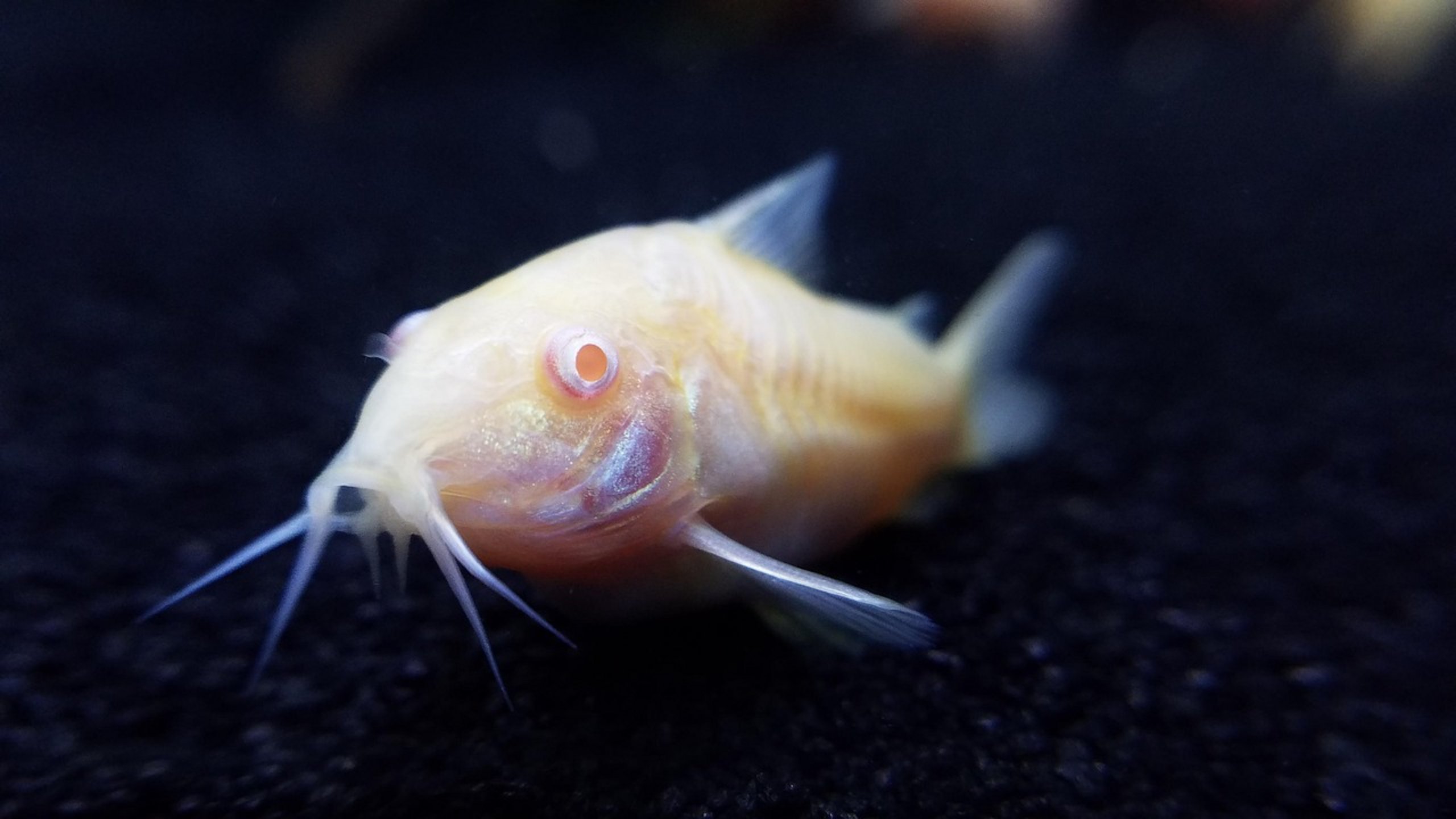
Females are fast and are less colorful (dull). They move in the middle/lower parts of the water column. A peaceful female guppy can coexist in the tank with a betta if there is a group of guppy present.
Fry are produced readily by these females and you’ll want places for those fry to hide out. That also brings some life into the lower part of the tank while not upsetting the betta. Corydoras are great fish for the bottom of the tank.
They sift through the gravel looking for food. While doing so, they remains social and non-aggressive. However, they will never venture to the surface.
In other words, they inhabit an entirely separate layer of the tank. Get a small school (e.g., Pandas or Spotted) of corydoras. The corys will be active during the day, making the tank lively.
Meanwhile, the betta will hang out on a leaf up top, seemingly uninterested with the world below.
Ghost Shrimp and Nerite Snails for Cleanup
Ghost shrimp are transparent scavengers. They are small enough that a healthy betta might ignore them, but they can become a snack if the betta is hungry.
Otherwise, they’ll consume leftover food, algae, etc. The main issue is that when the betta is hungry, he or she may eat them as a snack. Get a good supply of them. The betta won’t hunt individually but will focus more on the group.
They are inexpensive and good. Provide some other kind of tank movement. Use Nerite Snails for algae control.
They are great for controlling algae. They don’t reproduce in fresh water (which keeps their numbers down), are robust, and stick to the plants and glass. They are not harmful to the betta.
Usually, the betta doesn’t care about the snail itself but is more interested in its shell. They are a low maintenance addition. Keeps the tank clean while not competing with fish for food.
Celestial Pearl Rivulus and Other Options
Another one is Celestial Pearl Rivulus. These guys is unique. They’re related to lungfish and breathe air.
They’re shy and hide in caves or amongst plants most of the time. They won’t bother the betta much. Because of their size they aren’t viewed as a threat.
In some areas, they can be more difficult to locate. But, they do make a good choice if you have a heavily planted tank.
Large Fish Like Gouramis and Plecos
Dwarf Gouramis are also mentioned; they are relatives of bettas and share their territorial tendencies.
Frequently, betta and gourami doesn’t get along. Unless your tank is quite large, it’s best to skip this option. Why endure the stress?
It is not a good trade-off. Again, go with non-labyrinth fish, i.e., non-cichlids. Great for algae, Bristlenose Plecos are larger bottom dwellers.
They are peaceful. They grow big. They are not suitable for small five-gallon setup.
They need a large tank. They will be around for years if the tank is big enough. They are a long-term commitment.
Cherry Barbs and Observing Fish Behavior
Cherry Barbs are colorful and active. Speedy: Faster then bettas. Outswim anything harassing them.
They are schooling fish, so they are not solitary. They need groups of six. Add a pop of red but don’t look like a betta.
They are sturdy and easy to care for. The last rule is observation. For the first week, observe your betta.
Is it stopping the chase? Are its fins clamped shut? It is a good mix.
If it’s stressed, pull out the newbies. Each fish is an individual. Maybe your betta is aggressive.
Maybe it’s chill. You need to know your fish. It’s the real secret to a peaceful tank.
Clear water. Keep the fish calm.
