
There’s the Balloon Molly swimming around on your tank. Its rounded, compressed body and swept back tail fin create the appearance of a living stained glass window, and the way it swims is nothing short of flaring. Beautiful?
Absolutely. But check out its posture…see how it tucks its belly into its own ribcage? Or maybe notice that subtle spinal kink?
Something about this makes you uneasy. After all, what if it isn’t healthy? What if it’s just for looks?
That’s where the conversation begins. We aren’t simply asking if something can live anymore; now we’re asking if it should. And that’s the heart of a new argument in the world of aquaria.
Balloon Molly Ethics And Health Risks
The Ethical Dilemma of Balloon Mollies
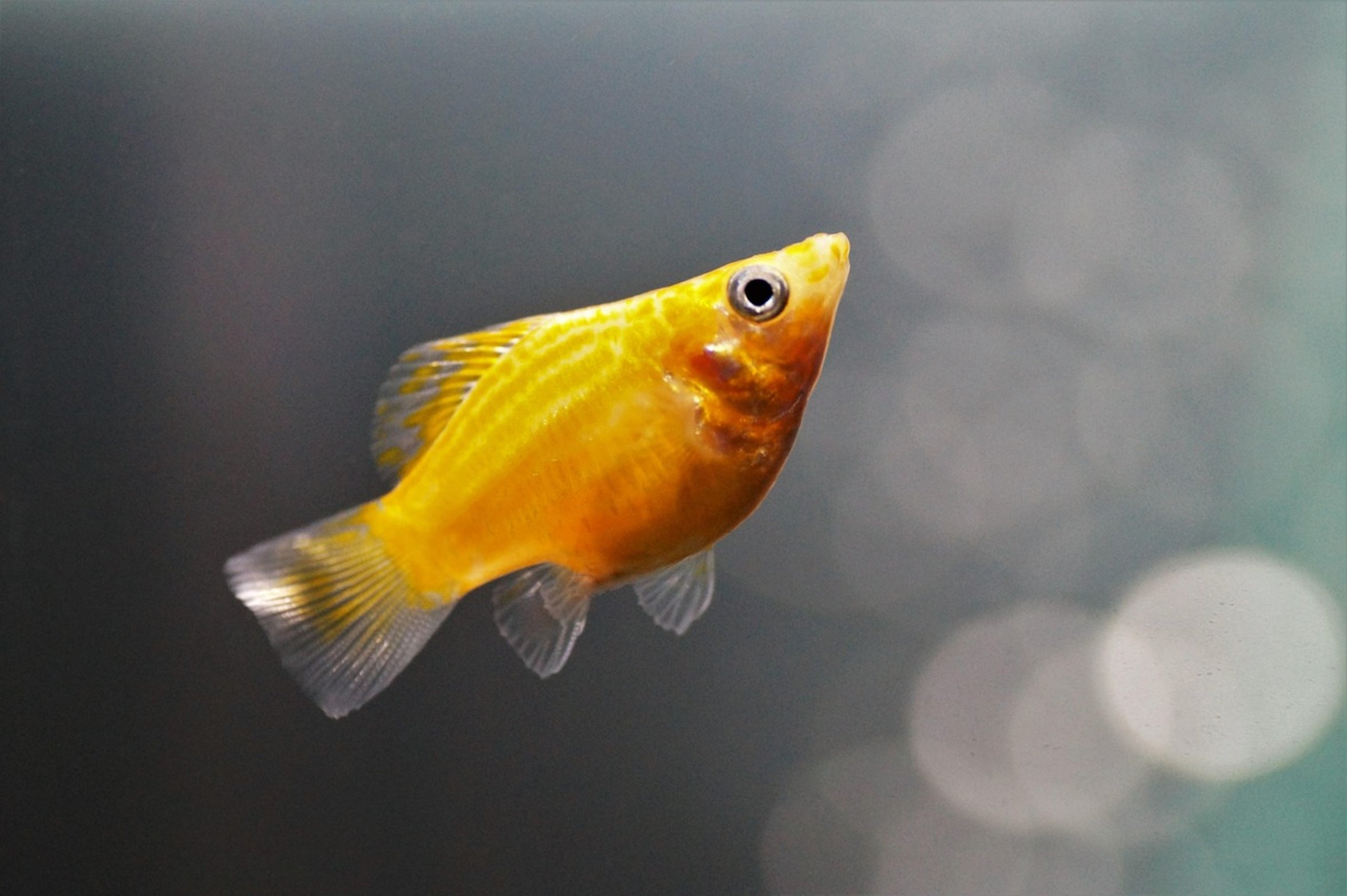
Mollies have long been favorites, and they’re quite easy to breed, colorful, and hardy. But some member of that genus, the Balloon molly included; take things to extremes, as their select breeding has exaggerated characteristics that detract from natural body movements of the fish. As such, it’s important that people who care about animal welfare understand the balance involved.
They’re stunning creatures, sure, but live with severe limitations on their bodies. That makes you ask questions about what it is you want out of a pet. Do you value biological integrity more then visual novelty?
Answering that question will determine both what you promote in the hobby and how you set up your tank. But one of the clues as to why there’s a problem with Balloon Mollies lies in their anatomy. Normal molly species is very streamlined, which helps them with both digestion and swimming.
Anatomical Flaws and Health Risks
The belly is squashed up and down, making the inside less spacious for organs. This then leads to chronic digestive issues and an increased susceptibility to bloat. The fish has to work harder at doing what comes naturaly to its wild cousins.
It isn’t just a cosmetic quirk (it’s actualy a structural flaw). Because they’re livebearers and breathe through their gills, respiratory problems compound things as well. The compressed body cavity also makes it harder for them to process oxygen.
Digestive and Respiratory Complications
So even though they need gills for oxygen, their small chest cavity make it hard for them to exchange gases efficienty. You’ll see it more commonly where your fish will gasp at the surface. That’s not necessarily related to poor water quality.
It can simply mean there isn’t enough capacity and the fish is physically limited based off processing oxygen at rest. This places continual stress on its system. But there’s also the matter of reproduction.
Reproductive Struggles and Mortality
Female Balloon Mollies has severe complications when it comes time for them to give birth. Due to their narrowed pelvic girdle, they can’t deliver live fry very easy or safely. Dystocia (difficulty in childbirth) is common, and many females will die either during or right after giving birth.
The fry themselves are often born struggling to survive as well due to inheriting the same anatomical disadvantages. It’s a genetic dead end that values money over life… Breeding them just continues the cycle of suffering.
Domestication vs Malformation
Others counter that all domestication is modification: “Dogs are far different than wolves; cats are very distant from what they were in the wild.” That’s true, to a point. Yes, domestication is the process of selection, which makes that a valid point. But there is also a difference between adapting and being malformed.
A dog with a poodle cut isn’t always in agony because it’s hairless. A Balloon Molly, however, is continually struggling bodily due to its form. And that matters.
One is a matter of style. The other is a danger to one’s health. As a hobbyist, what does all of this mean to you?
Choosing Ethical Alternatives
The bottom line is that the market follows what you buy; when you purchase fish like these, you are telling the industry to keep making them. On the other hand, by opting for the traditional species such as platies, guppies, and mollies, you’re supporting responsible breeding because those fish is every bit as colorful and active. You still have the same fun interacting with them, you still get the same hobby satisfaction, and you do it without any ethical cost to yourself.
There is no guilt, just fish. It’s not a rejection of beauty. It’s a redefinition.
And true beauty in an aquarium is natural, healthy, and vibrant, not something that simply looks pretty for a few months while slowly giving in to its own anatomy. A long-lived, easy-swimming fish will impress you so much more then a pretty one that doesn’t live very long. So take a look at your tank.
Take a look at those fish you love. Are they thriving? Because that’s all that matters.
Sometimes what’s best isn’t always what we want or what other people tell us is cool. The Balloon Molly serves as a reminder that some trends aren’t worth the chase. Some things are just the most rewarding and ethical thing to do.
