
If you’ve visited fancy tank or scrolled through memes online, chances are you’ve come across an axolotl. Known for their external gills and never-ending baby face, they’re also one of the most popular animals online due to neoteny, a characteristic where the axolotl retain its larval traits into adulthood, making it the only salamander to do so. While this may make them desirable pets, it masks an ugly truth: The tank-bound critter is just a sliver of what’s left of a severely threatened species in the wild.
But there’s a wide gap between their virtual celebrity status and real-world existence. In reality, millions of captive axolotls exists in laboratories and aquariums across the world. The wild population, however, has plummeted.
Where Axolotls Come From And Why Endangered
The Reality of Axolotl Conservation
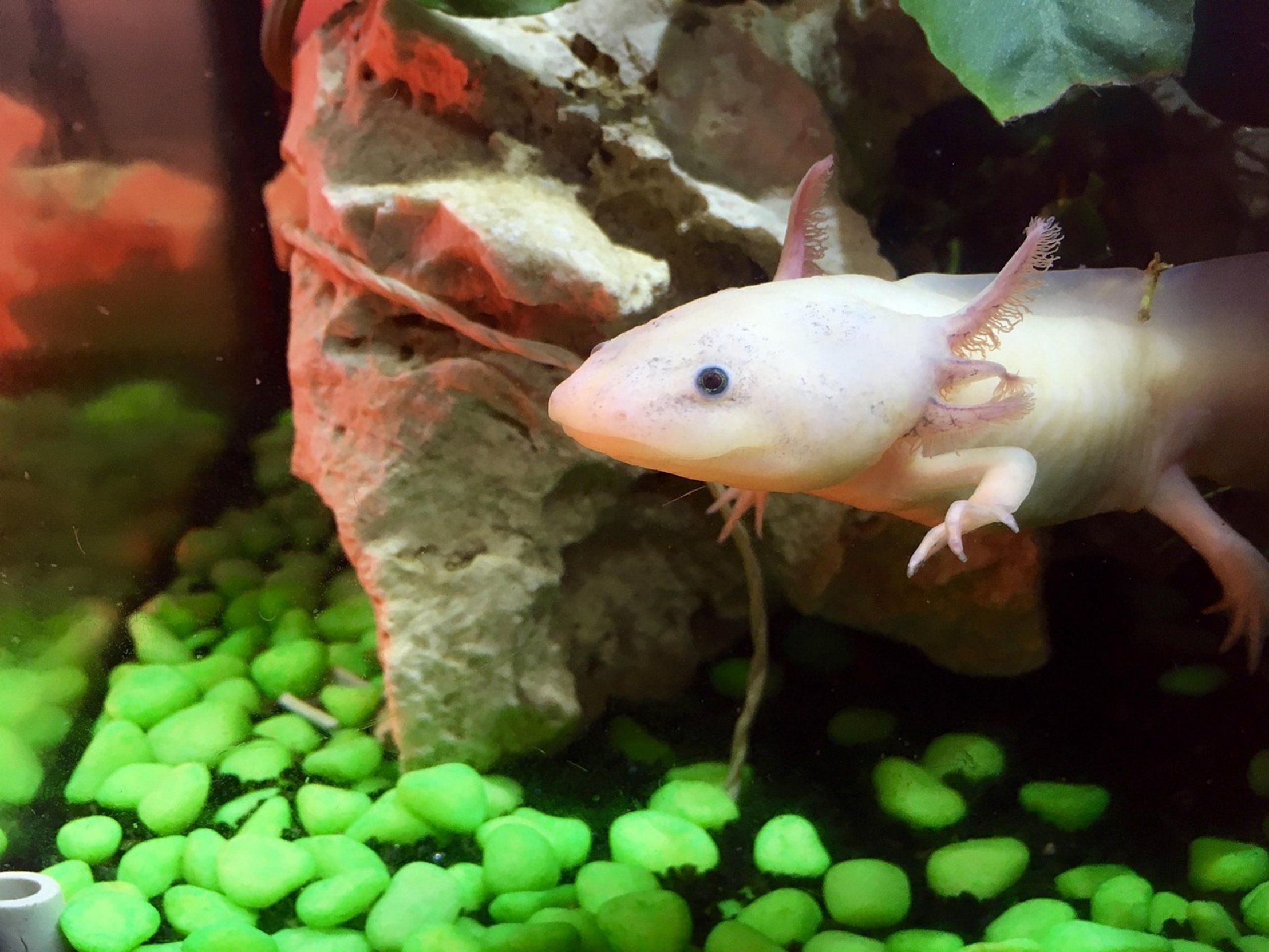
Axolotls is now critically endangered in nature; only a couple-hundred individuals remains in their native range. To see what’s causing their extinction you have to ignore their cuddly appearance. There are several unique historical and ecological factors that has driven them to the edge.
Endemic to the Valley of Mexico
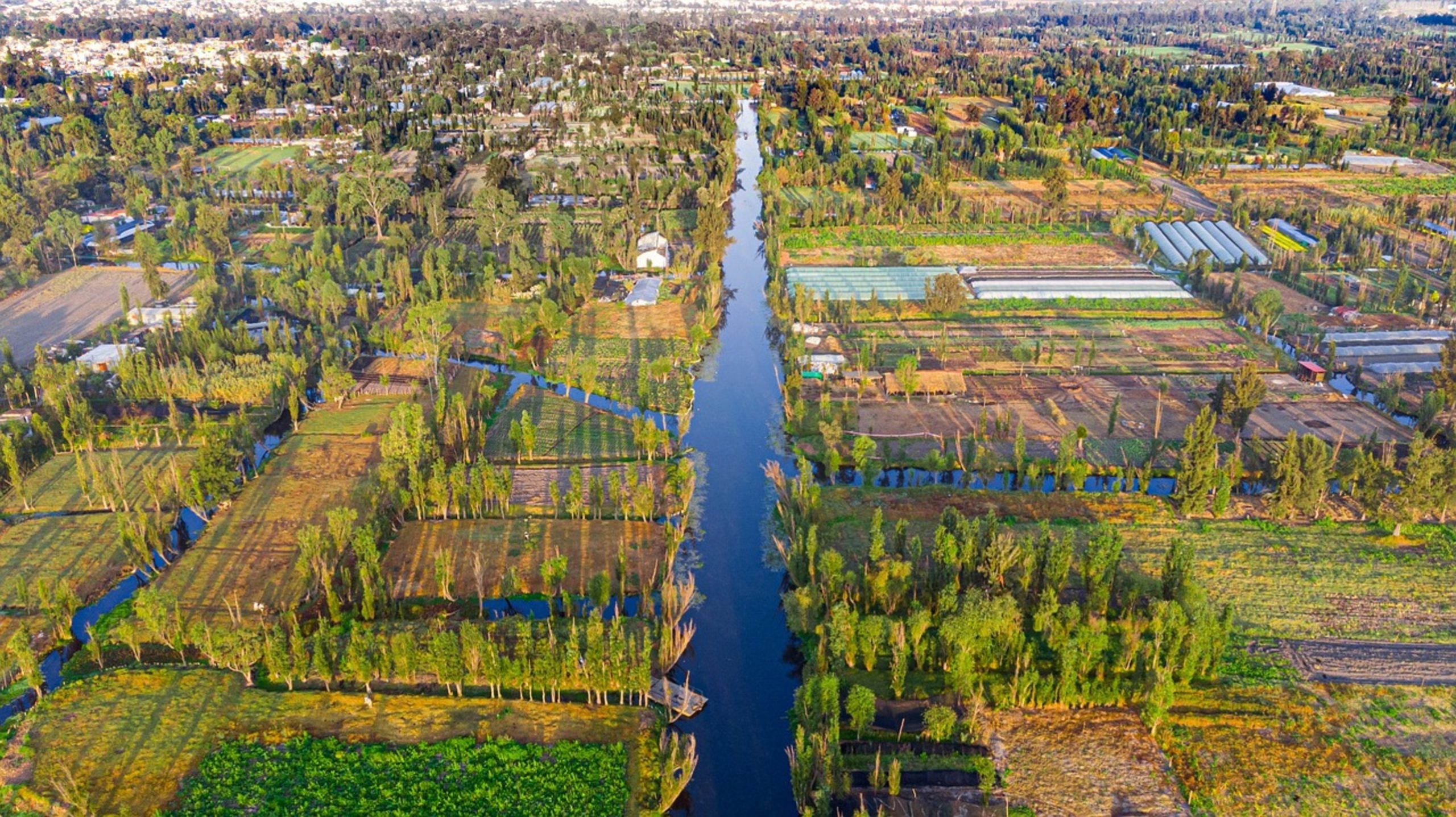
And why are these creatures so vulnerable? Because, as it turns out, they has only one home here on planet Earth. They’re endemic, meaning they don’t occur anywhere else in nature, to the Xochimilco/lake complex in the Valley of Mexico, near Mexico City.
Anything that threatens this system threaten them all. No other population exist anywhere. It’s just a handful of lake, and that’s the whole future of the axolotl.
Aztec Origins and Cultural Significance
The name comes from a Nahuatl word. The word axolotl originates in the Nahuatl language; it literally translates to water dog. In fact, the word axolotl originates in the Nahuatl language; it literally translate into water dog.
According to Aztec lore, the creature was a transformed form of the rain god Xolotl. As such, they were an important part of Aztec culture, common enough to feature both as food and in folklore. Once large freshwater systems, today, the lakes of Xochimilco is largely reduced versions of what they once were.
Threats from Urban Expansion
Their greatest threat is urban growth. As Mexico City expand, it became a massive city which engulfed the lake beds. Shallow parts was filled in with construction while concrete was poured along other waterways.
Not only does this destroy habitat, but it’s also the loss of the muddy, weed-filled shorelines where axolotls can breeds and hide from predators. Pave over a lake and you don’t have those complex small habitats for the species to reproduce and escape its predators. The construction damage was made worse by pollution.
Pollution and Water Quality Issues
Agriculture runoff and untreated sewage flow into what remains of canals in Xochimilco. This excess of nutrients lead to algal blooms which consume oxygen in the water. Oxygen rich, clean water is essential for axolotl survival.
Poor water quality and toxins harms them. Toxicity kills the larvae. And even when adults survives, the toxin-poisoned water render them unable to have a viable offspring.
The next generation depend on water quality.
Impact of Invasive Species
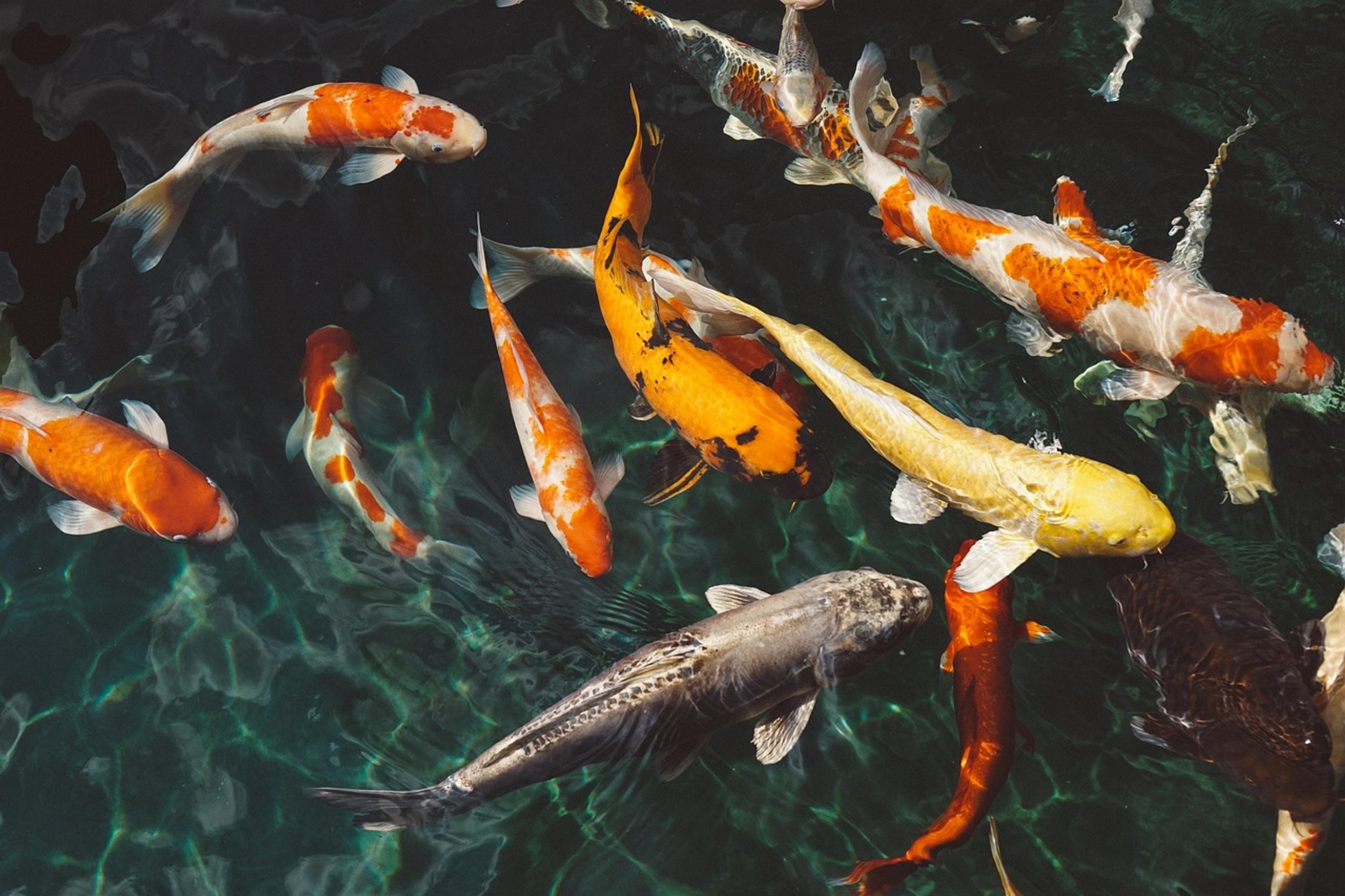
The degraded ecosystem has received many invasive species as well. Perch, tilapia, and carp is non-native fish that were introduced for recreation and farming purposes.
They feeds on both young and egg-laying axolotls. Because there is no effective defense against them, native axolotls did not evolve with such predators. The cultural significance of the water dog means nothing to a carp.
Carp see food and eat it. This put great pressure on the few young axolotls that join the wild population. There are conservation efforts happening, but they has significant practical challenges.
Captive Breeding and Research Efforts
The captive breeding programs serves as a safety net and help preserve genetic diversity. These animals have been used for medical research because of their ability to grow back organs and limbs. That means there’s still money and interest in them from scientists.
But a captive animal isn’t the same thing than a wild one. There are attempts to get rid of invasive species and restore the canals, but it’s hard work when you’re up against a big city. You should of protected the habitat earlier.
Future of Wild Axolotl Populations
How we treat the axolotl shows how we treat cities. Capturing a species for tanks or labs isn’t saving it; true conservation protects the complex, messy places in nature that sustains it. While there are axolotls in tank and on screens, their naturaly population survives only in the polluted waters of Xochimilco’s canals.
To save them, we must save their natural habitat.
