
Keep in mind that an axolotl has a complicated digestive system. It’s not just a cute-looking animal; it also require appropriate foods. The reason?
Axolotls are salamander species that stays in their larval stage into adulthood. Because of this, nutritional needs varies by age. They aren’t frogs.
They aren’t fish. And feeding them generic flakes will result in health issue. Metabolic bone disease occur with poor nutrition, which also weaken its immune system.
To keep your axie healthy, you’ll need a plan. When new people purchase an axie, they tend to make some mistakes: they think they can just treat an axolotl the same way than a goldfish. That will stunt their growth and make for sad little critter.
To do well by them you need to know something about how they develop. Poor nutrition is not something that are small (it results in serious illnesses). Avoid this by feeding a varied diet.
What Axolotls Eat At Every Life Stage
Why Axolotl Nutrition Is Complex
Soon after hatching, the larvae begin their larval stage. Larvae is small mouthed and are basically scavenging bottom dwellers. To encourage fast growth, these young axolotl require a high-protein diet consisting of microorganisms (micro-fish foods).
Powdered fry food or infusoria cultures makes good larval foods. Look for them to be scouring the bottom looking for any suspended food particles. It’s an important phase in their lives that doesn’t last long.
Failure to provide adequate protein will stunt their growth. Good water quality plus feeding should helps avoid foul conditions. They’re growing fast.
Feeding Axolotl Larvae
This is the growth spurt where they develop their iconic external gills fully. This is when you want to get them hungry by offering some type of live food such as daphnia or baby brine shrimp. Live foods stimulates the mind, keep them moving and keep their muscles in shape.
Frozen food works well too. I like to use frozen bloodworms. Just be careful with portions because juveniles will continue eating until they are comfortabley.
Overfeeding is easy to do. Leftovers decomposes rapidly, fouling the water. Try rinsing your frozen food before serving to help keep the water clean.
Nutrition for Juvenile Axolotls
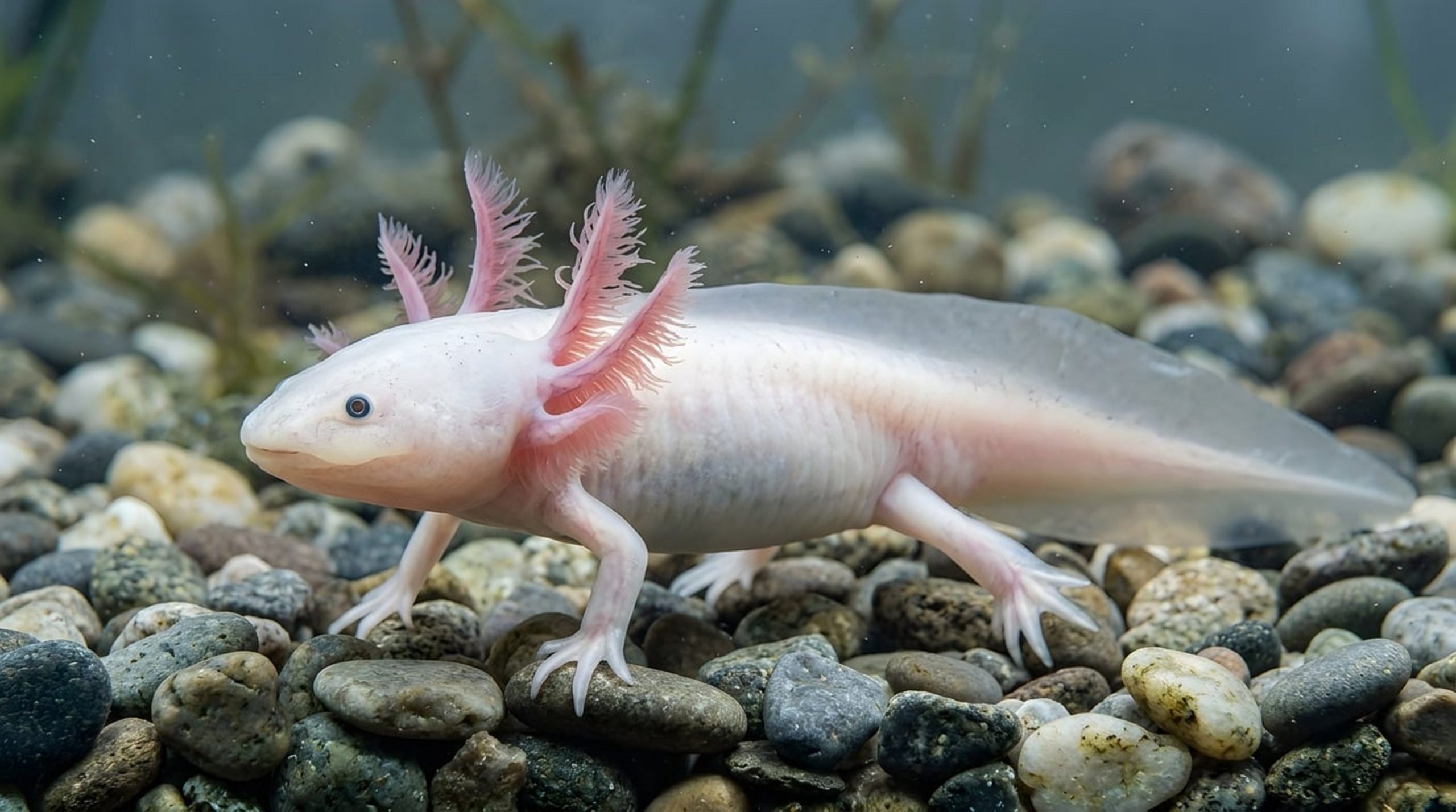
In adulthood, axies’ bodies works more slowly but they are still carnivores. Specialized pellets, krill, and earthworms makes up their diverse diet. Although earthworms are nutrient-rich, soft, and an excellent food option, be sure to check if they is safe for your axolotl.
Some species of worms carry parasites or contain pesticides harmful to the axolotl. A balanced diet are necessary to avoid nutrient shortages. Feed daily (or every other) at a consistent time.
Diet for Adult Axolotls
Because axolotls need time to digest protein, it’s important that their guts takes breaks between meals. Regular feeding times will regulates their waste and appetite. Skeletal health is aided by supplementation.
If your diet consist mainly of insects/worms, supplementation with vitamins and calcium are required. Failure to provide sufficient calcium may lead to Metabolic Bone Disease, which leads to pain and deformity. A good preventative measure is to dust live food with a reptile calcium supplement one time weekly.
Essential Supplements and Calcium
Most people forget about it until something go wrong. While the water will aid mineral uptake, supplementation via diet provides them with what they need. Sometimes, your axie stops eating due to stress or seasonal change.
It’s nothing to worry about as most of the time, they will eventualy eat again on their own. Don’t panic if they skips one or two meals. Feeding them by force or switching up their diet too much would of only worsen things.
Managing Loss of Appetite
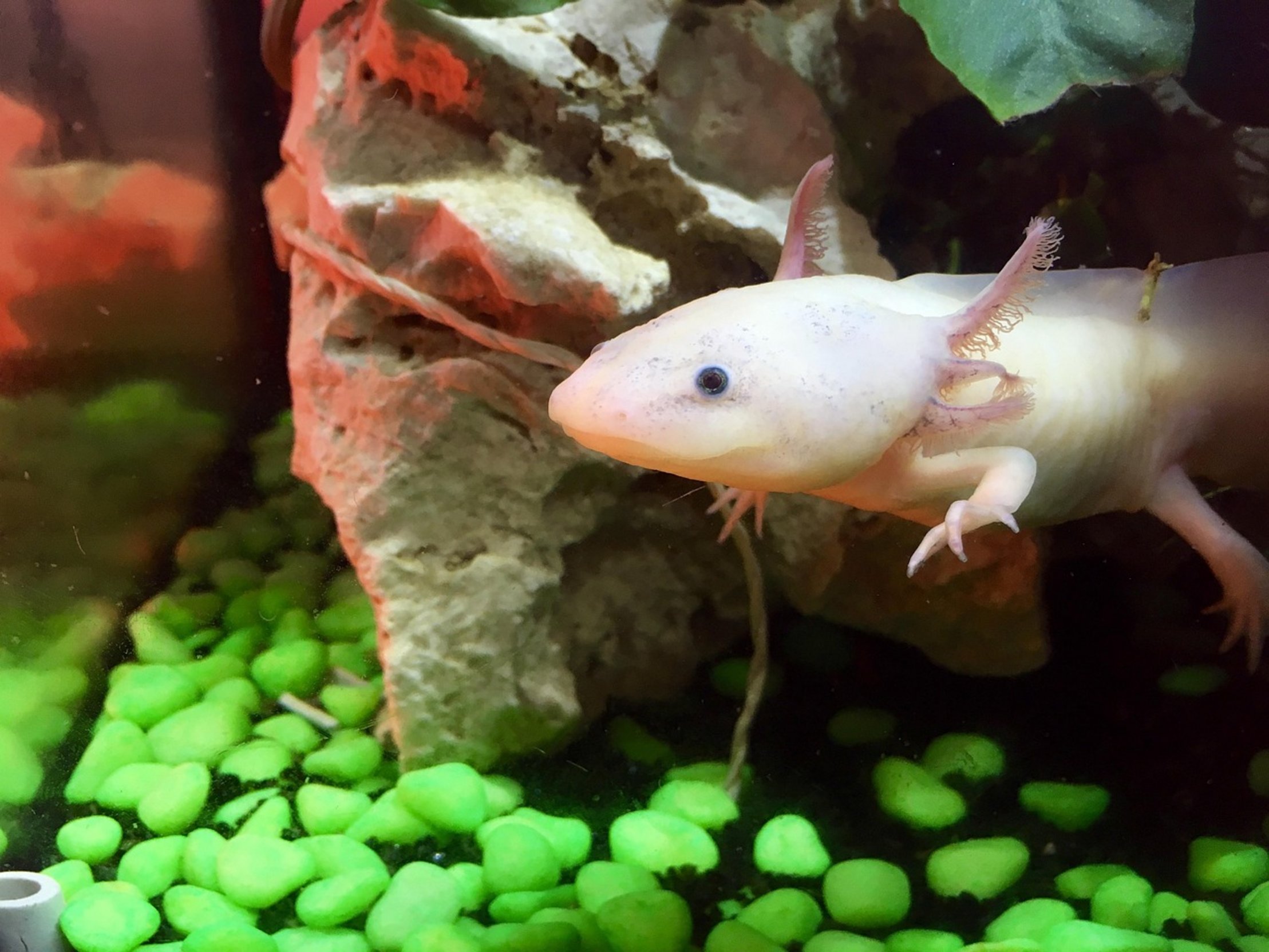
Instead, keep track of its activity level and weight. If it doesn’t resume eating after a week, take your axie to the vet. Until then, gradually feed it back into the regular diet.
Trust your axolotl to know when it are hungry. You are responsible for feeding your axolotl; it is a long-term commitment throughout its life. From larva through to adult it need specific care for each stage.
Correct food and trusting in this relationship means you have built something. Feed them correctly from the start and you’ll have a healthy companion. They will repay you by being a lively pet for many years to come.
The quality of their food determines the quality of there life.
