
You awake in the morning and remember you didn’t feed the fish yet. Your cichlids is waiting… the tank is empty. Sound familiar?
It happen in thousands of homes every day. That’s why automatic fish feeders sell; that is what people worry about most. Those little piece of plastic are supposed to be our saviors when we’re away at work or on vacation.
Consistency. Peace of mind. But, they can becomes another variable added to an already sensitive ecosystem.
Not only will it work but do you want to entrust your fish to one? Before you trust a machine, learn about its failure points. A feeder is not magic.
It is a hopper, a timer, and a delivery mechanism. Failures runs the spectrum from mildly annoying to catastrophic loss. And more importantly, what is really going right.
Moddern feeders tend to be surprisingly reliable. When they fails, most commonly it’s due to poor placement or user error. Often the difference between trap and tool depend on setup.
Understanding Automatic Fish Feeder Reliability
Mechanical vs Electric Feeder Types
The first thing to consider is the mechanism. There are two types: mechanical and electric. Mechanical feeders feature a rotating disk, usually with holes in it that line up with a chute.
An electric feeder has either a gear system or a small motor to drop food into the tank. Each type have its merits. Simple and inexpensive, mechanical feeders has few moving parts, which means few places to break.
Electric feeders provides finer control over feeding times and portion size. You can program multiple feedings per day, and you can get more precise about how much goes in each. However, there’s a catch: complexity.
The more stuff it does, the more things there is to go wrong. Common problems include a battery going dead (common failure mode) and a jammed gear. Determine your level of maintenance tolerance and make your choice from there.
Correct Feeder Placement Setup
Brand is secondary to placement. Don’t waste money on expensive feeders; you’ll starve your fish if the feeder isn’t placed correctly. If the dispenser doesn’t put the food in water, it’s going on the gravel or the glass.
It won’t get eaten by the fish. They won’t see it. The feeder thinks it just fed them.
You think it fed them. The fish don’t get their meal. Position the dispenser so that the food drop directly into the water column.
Do a dry run and watch where the pellets fall. Tweak the placement until the drop zone is dead-on correct. Battery life is a silent killer.
Battery Life and Power Issues
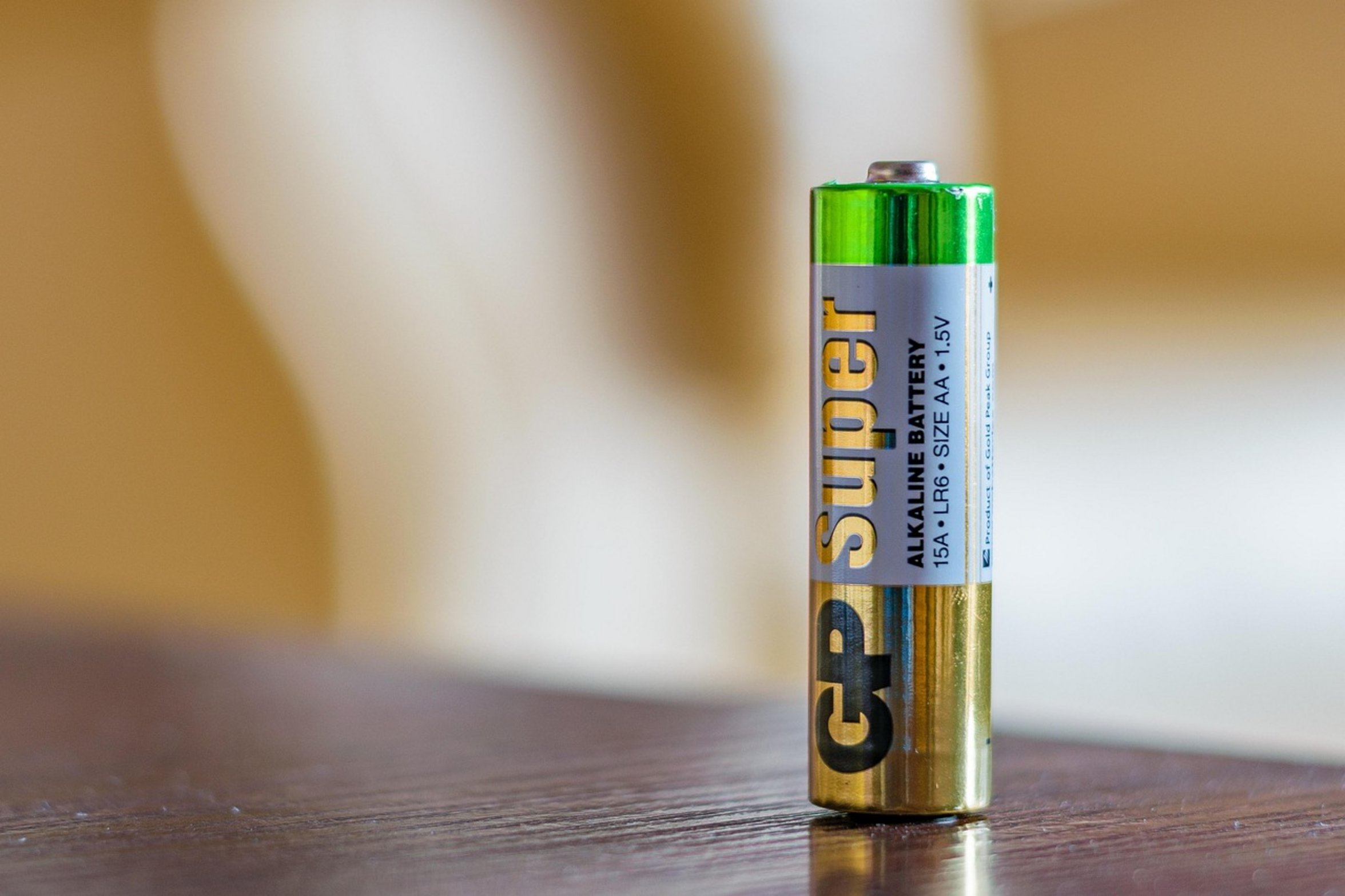
Most folks think when you see the red light on, it’s powering up fine. No it’s not. That just indicates the circuit are closed.
It doesn’t indicate how strong the voltage is. If a weak battery closes the circuit it may well trip the timer but not have enough torque to spin the dial. The fish are waiting, but the food is stuck.
Test your battery monthly. Run only good alkaline batteries in there initially. Do not use rechargeables.
They simply don’t put out enough voltage and many times won’t even power the motor up within the first couple of weeks. Stay with new alkaline batteries for at least three months and then go with what you prefer after that. Some feeders do not work for some foods; Food type matters.
Choosing the Right Food Type
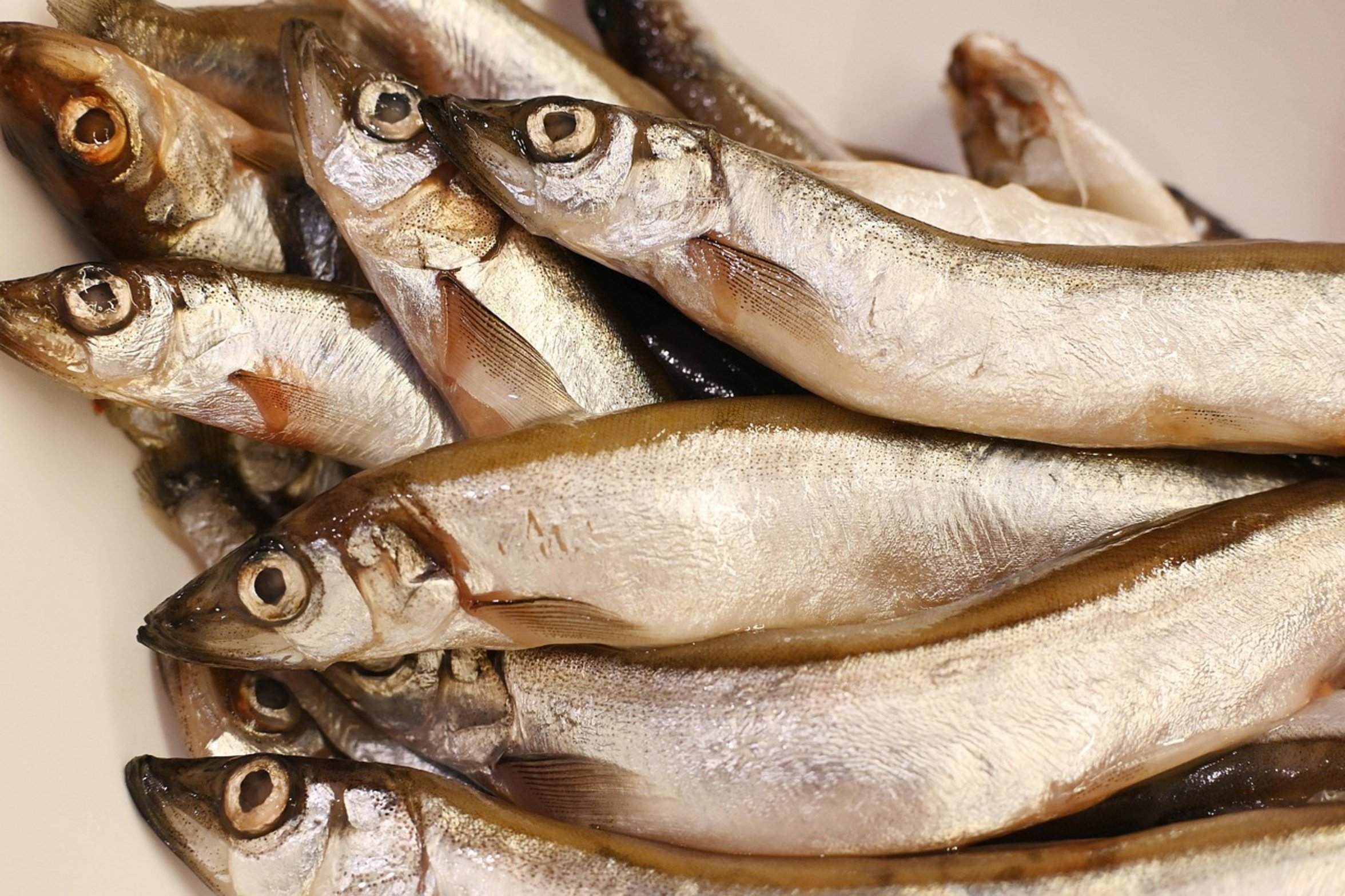
The size of the food determine what works best. Small pellets will flow easily through the chute. They are also easy to dose.
Flakes can be problematic. They may clump. They often gets caught in the chute.
If you want to use flakes, grind them before feeding. Otherwise purchase a feeder with a wider chute. There are some that say they can do both, but they rarely does well with both.
Stick to a single food type. If you want to change the food type, use a different feeder. Having consistent food shapes makes your delivery consistant.
It avoids a bunch of headaches. Be patient, as calibration will take time. Testing is the first week.
Calibrating Feeding Portions
Don’t believe the factory setting. They’re generic. Generic does not equal your tank.
Time the feed for just one feeding. Observe the output. Adjust the dial.
Observe again. Repeat this until you get the size of the portion correct. It’s tedious.
It takes time. But it should of been done. If a tank isn’t fed enough it stresses them out.
If a tank has too much food it causes ammonia spikes. The goal is finding that happy medium. Trust the process, but don’t just follow the standard way of doing things.
Maintenance and Reliability Tips
The verdict is conditional. Sure, an automatic fish feeder can be trusted. But you must trust yourself to take care of the feeder.
Think of it as a tool. It is not a substitute for attention. Replace batteries quarterly, clean it monthly, check it weekly.
Do all of that and it’ll work for you. Ignore it? You’re setting yourself up for failure.
The device does not care about your fish. You do. You do.
That’s the only part in this equation that really matters. Feed them on schedule. Keep the food dry.
Keep the feeder clean. And you’ll sleep better while your fish thrive. You’ll be able to set the alarm and roll back over.
The tank will handle it.
