
Is something wrong with your mystery snail? Does it look duller now compared to when you put it in your tank? Is its shell looking duller then it did when you first introduced it?
It’s normal for new aquarium keepers to have such concerns. After all, you are feeding your plants and filtering your water. But what about your invertebrates?
Are you feeding them too? There’s a persistent myth floating around the internet forums asking about the necessity of adding calcium into the water for aquarium snails. While some will tell you that they know you “have” to add certain products daily, there are those who’ll say it’s a total waste of money.
Here’s the truth: It’s somewhere in between. And it has nothing much to do with the snail as much as the water it travels with. So what do snails eat?
Do Aquarium Snails Need Extra Calcium Supplements
Understanding Snail Dietary Needs
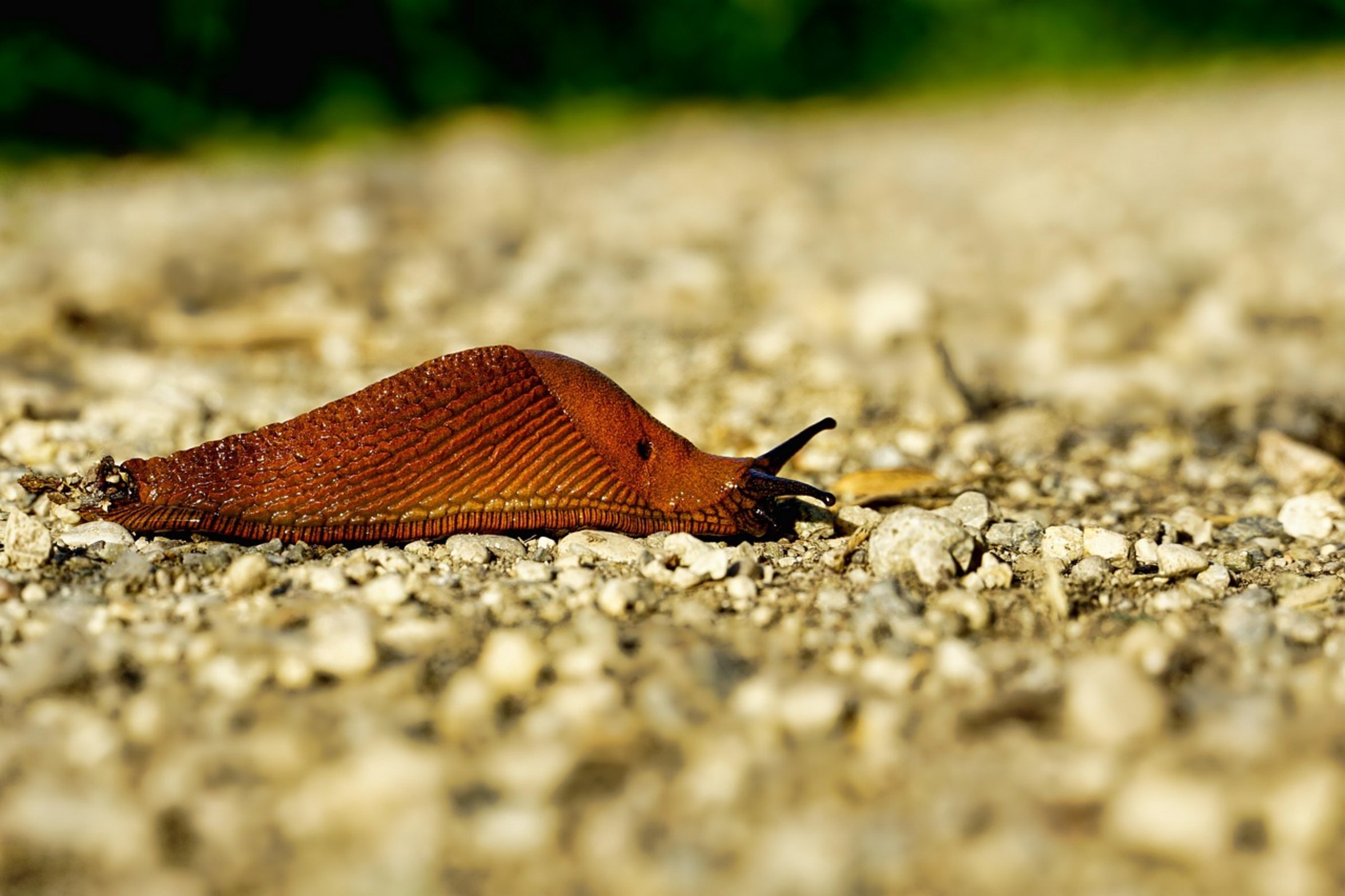
That is an important question about what snails need to eat. What they don’t eat. At least not exclusively; is dust.
Yes, they’re not tiny vacuum cleaner. Snails will graze on biofilm, detritus, and algae. The main component of their shell is calcium carbonate, the very thing that makes up limestone and chalk.
If your water doesn’t have enough calcium, your snail won’t be able to create a sturdy shell. At worst, it may cease to molt, or grow a brittle, thin shell that breaks down quickly. At best, it’ll be sad looking.
Assessing Your Tap Water Hardness
Before you go grab the bottle, you want to understand where this calcium is going to come from. First thing to check is where your water comes from. Does it come from the tap?
What kind of water do you have coming out of your tap? Hard water has high levels of magnesium and calcium. Do you have hard water?
Good news! Your snail should be receiving all the calcium/magnesium minerals it needs if you change your water regularly as part of normal maintenance. There’s no need to add more calcium to your hard water.
Adding calcium into hard water can also lead to other problems such as heater scaling and glass scaling. It’s basic chemistry. This isn’t a reef tank, where you’re putting rocks into a glass bowl.
This is a community aquarium, so that difference does matter. On the other side, we have soft water. Soft water refers to any water that has had all minerals removed such as deionized water or reverse osmosis water.
Remineralizing Soft and RO Water
In this case, that water isn’t empty but rather lacks calcium, which is bad for snails. Your snail will be lethargic and your shell will degrade if they are living in pure RO water. If you use soft, RO, or DI water, remineralizing it is necessary.
You can add a dedicated remineralizer such as Aquasoil, or you can simply add some crushed coral to your filter. Coral act as a slow release buffer, slowly increasing hardness over time. Adding it to the water gives you control but doesn’t put you at risk of a sudden spike.
Checking Plant Food Calcium Content
Another variable frequently overlooked is plant food. If you’re using a complete fertilizer, chances are you’re feeding your plants enough calcium. How would you know?
Most liquid plant foods has calcium in them. Read the label, does it list Ca (calcium) or Calcium Carbonate? Then you don’t need a supplement.
Don’t double up! That’s called causing an algae bloom…a classic case of killing two birds with one stone…not in a good way. Again, read the ingredients and don’t repeat yourself.
Using Natural Calcium Supplements
While snail specific supplements is great (and yes there’s even one) because they provide a targeted solution, natural foods like cuttlebones or eggshells can also help fill the gaps. There are several brands out there including Seachem and Fluval which has specifically formulated their products to increase calcium. They are also pretty simple to implement.
Just follow the directions and be careful not to overdo it, since too much can mess with your pH and stress out your fish. It is easy to overuse them since more is not always better. Snails don’t require a calcium buffet.
Instead, they requires a moderate and steady supply of calcium. Excessive amounts of calcium will throw off your pH balance and stress other fish in the tank. Rapid changes in parameters really affect fish.
Therefore, keep the dose consistent and low. Fill in the gaps with natural foods. Snails love cuttlebones (they will gnaw on it).
You can also put one of those in the tank where it will dissolve over time. They like that, and it delivers some straight-up calcium. If you’ve got eggshells laying around, those’ll do as well after crushing and boiling them.
You won’t need many because they’re so cheap. They are an organic option compared to the bottled stuff. This mimics nature, since snails gets their calcium from wood and rock.
Your tank should have something for them to munch on as well. Just biology…it ain’t magic. What to do?
Monitoring Snail Health and Growth

Keep observing. Are your snail molting and growing on a regular basis? Is their shell intact and still smooth?
Yes? Then don’t worry. You’re fine.
Is your snail sluggish? Is their shell eroding? Test your water hardness first, then test your food.
Adjust accordingly, but don’t guess. Test. It’s about having a healthy snail, not about having a perfectly balanced spreadsheet.
Trust your eyes. Watch your pets. Some of the simplest solutions are the right ones.
Pay attention to the water and it’ll tell you what it wants.
