
If you’ve seen the label on bags at pet stores that says “keeps your glass crystal clear and requires no maintenance” then I’m sure you’re also aware of how untrue this can be. And it sounds great if you don’t want to spend time scraping off algae. The truth is far from magic though.
Generally speaking, your fish is not cleaning your tank for you. The problem with expecting livestock to provide spotless tanks are that algae is a symptom, not the enemy. Algae is an indication that there is too many nutrient and light.
If you don’t have the right balance, no animal will be able to control it. The inhabitants should be eating the algae that’s growing on your tank. They shouldn’t be hiding in plants or looking out into glass.
They should focus on the algae that’s bothering you. For example, some algae eaters specializes as scrapers, removing brown (diatom) algae from new tanks. Other algae eater are relentless grazers, controlling green hair algae.
The key is to focus more on the function and less on looks when trying to find the right combination of fish. Why? Selecting the correct species not only protects your plant from being eaten but saves you money from having to purchase a pet that won’t pay any attention to your water quality.
Best Algae Eating Fish For Your Aquarium
Understanding Algae Growth and Balance
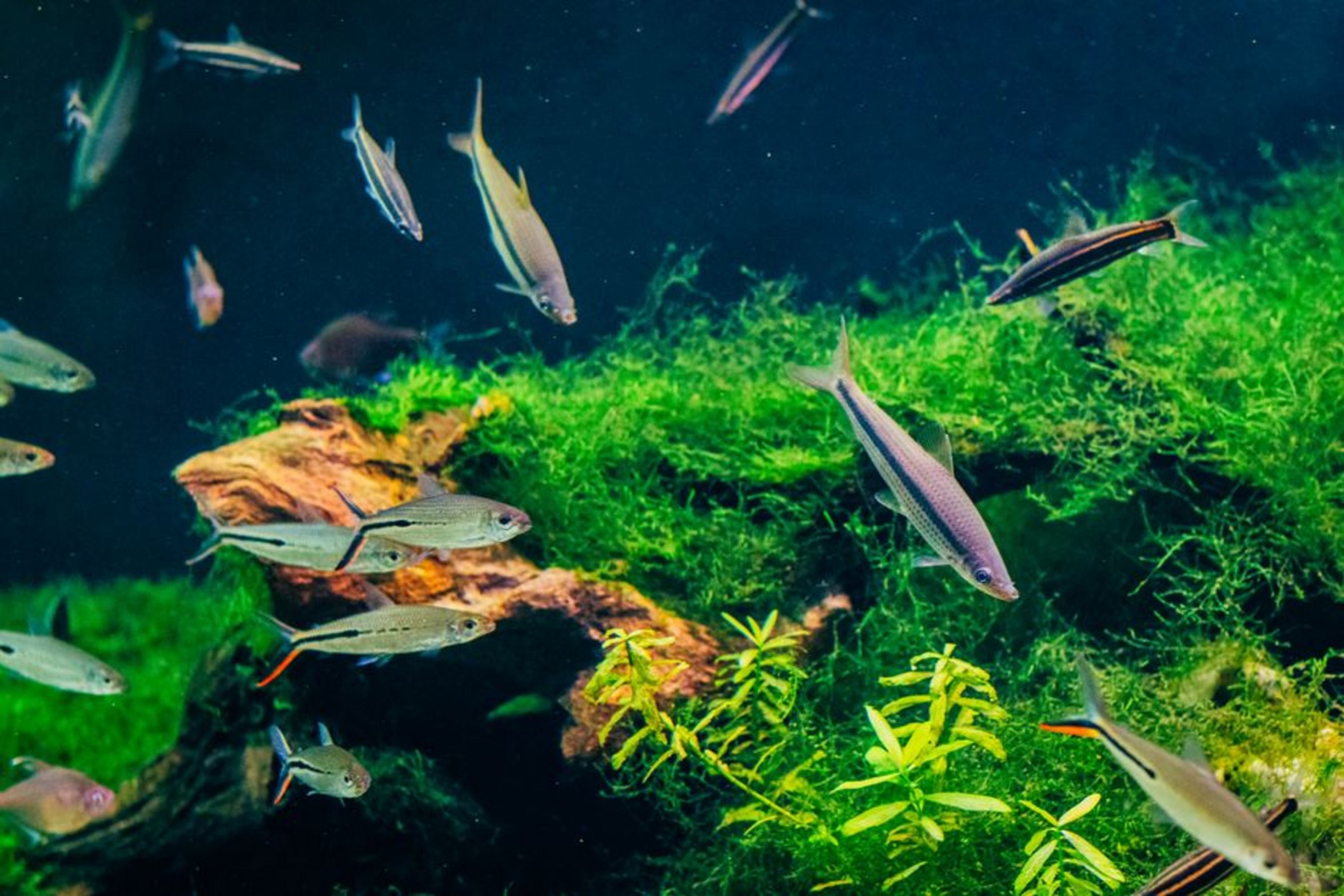
Algae eater like the common pleco are notorious for their dietary habits. While people purchase the fish as cute little babies, they fail to recognize that these fish will eventualy reach the size of a football. When this happens, your pleco isn’t an algae eater anymore.
Common Pleco Care and Dietary Changes
They is now consuming things in the tank, such as valuable aquarium plant. Young plecos will happily graze biofilm and algae. They’ll also use their sucker mouth to pick off algae from wood and glass surfaces.
As they grows older, detritus and meaty foods becomes part of their diet. Algae grazing diminishes greatley. If you have a pleco, you’re going to need a lot of space.
You’re also going to need a diet plan. Otherwise, you’re looking at a big fish that’s eating your food and making waste. Not so with silversides.
Silverside Corydoras for Bottom Cleaning
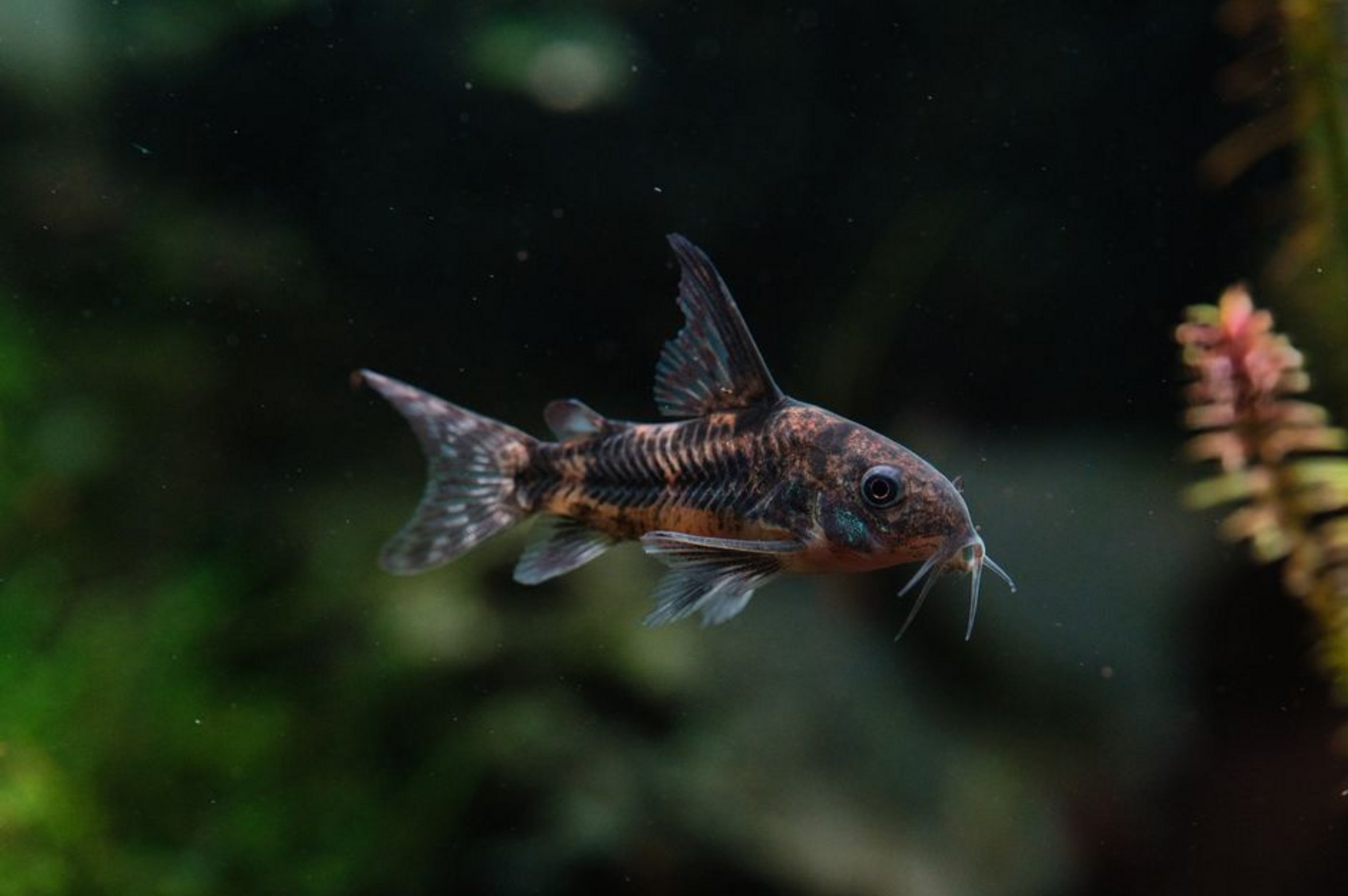
Silverside corydoras are little catfish that does a good job at eliminating bottom algae. Unlike sucking it up, they scrape stuff off surfaces with a mouth specifically designed for that. Slowly, they pick away at the lower glass, substrate, and hardscape.
They’re also a peaceful fish that school together, making them enjoyable to observe. Stay low and do not clean the upper glass. They are great for bottom algae: if you have bottom algae issues, they is perfect.
Less so on higher places and on tall plant. But they work better on bottom algae. They cleans the bottom better.
Easier to maintain in a typical tank than plecos. They are very effective at keeping tough algae in check. Amano shrimp feed on thread algae, hair algae and even green spot algae.
Amano Shrimp Effectiveness and Sensitivity
They scurry around all the time picking away at decorations, glass and even leaves with great precision. Even in the tiniest nooks within your plant, they’ll go for it. No fish can come close.
They can jump. So the tank needs a tight lid. And if one gets out, it would of died.
They are very sensitive to water parameters. Even a slight pH change or spike in ammonia and they’re dead. But if your water is stable, they are worth the trouble.
They keeps the tank clean while requiring minimal input from you. Another great glass cleaner are nerite snails. The good thing about them is that they consume algae but won’t reproduce in fresh water.
Nerite Snails for Glass Maintenance
No need to worry about baby snail everywhere. Nerites are hardy, easy to maintain, and will keep your glass clean. Aquascapers will be happy to hear they don’t eat live plants.
Nuisance growth is what’s on the menu. Shells brings visual interest into the tank. No need for special food when there’s algae around.
Occasionally, you might want to supplement with blanched vegetables. But most of all, they’re there to clean. For almost any freshwater set up, it’s safe to have them.
Choosing the Right Algae Eaters
So what’s the deal? Match the right animal to the algae. You might think having a pleco would be nice, but he’ll probably be too large than you.
For most home tanks, a nerite snail or an Amano shrimp are a tried-and-true answer. Without taking up much room they gets the job done. Make the right choice and your tank won’t have any trouble staying clean.
Instead of being just a body in your tank, your fish will actualy become part of the environment.
