
Aquarists has experienced a certain type of discouragement when a newly acquired fish dies in just a few days. You diligently cycle your tank. You research how to do it right and acclimated your fish correctly.
But within weeks, there’s your fish floating at the top of the tank gasping for breath until it eventualy dies. It feels like a punishment for curiosity. More often than not, however, it isn’t mystical but mechanical.
Why New Fish Die And How To Stop It
The Hidden Dangers of Clear Water
Many people new to hobby think “if the heater is working and water looks clear, it must be alright.” But clear water tell you nothing about any of the chemistry happening at the micro level. Losing fish rapidly almost never has anything to do with your being clueless or doing everything wrong. Rather, it’s because you overlooked a single critical factor that transformed home into a chemical trap.
Understanding New Tank Syndrome
How you look at this paradigm shift how you approach every purchase after that. More often than not, it’s not the fish but rather lack of a mature filtration system in the tank. Even if you’re careful, if your tank is new, it’s subject to a condition known as new tank syndrome.
No matter what kind of animal lives in there, this biological issue can kill. It doesn’t matter if they’re fish or some other type of livestock. Ammonia, which is very toxic, result from the gill and waste respiration of all fish.
The Nitrogen Cycle and Beneficial Bacteria
In an already established tank, this ammonia is changed by beneficial bacteria within the filter media to less toxic nitrites and eventualy to nitrates. In a new tank, no such bacterial colonies exist yet. You’ve added poison to vessel that has no way to neutralize it.
Patience and Biological Filtration

Sure, the water might appear clear, but it’s really a slow acting toxin. Patience is your best friend. There’s no way around it; biological filtration take time.
When you add a fish, don’t expect an army of bacteria to instantly appear. Time must pass for the bacteria to establish colonies on both gravel and filter media. In an attempt to speed up process, some hobbyists use chemical supplements.
Testing and Timing for Stocking
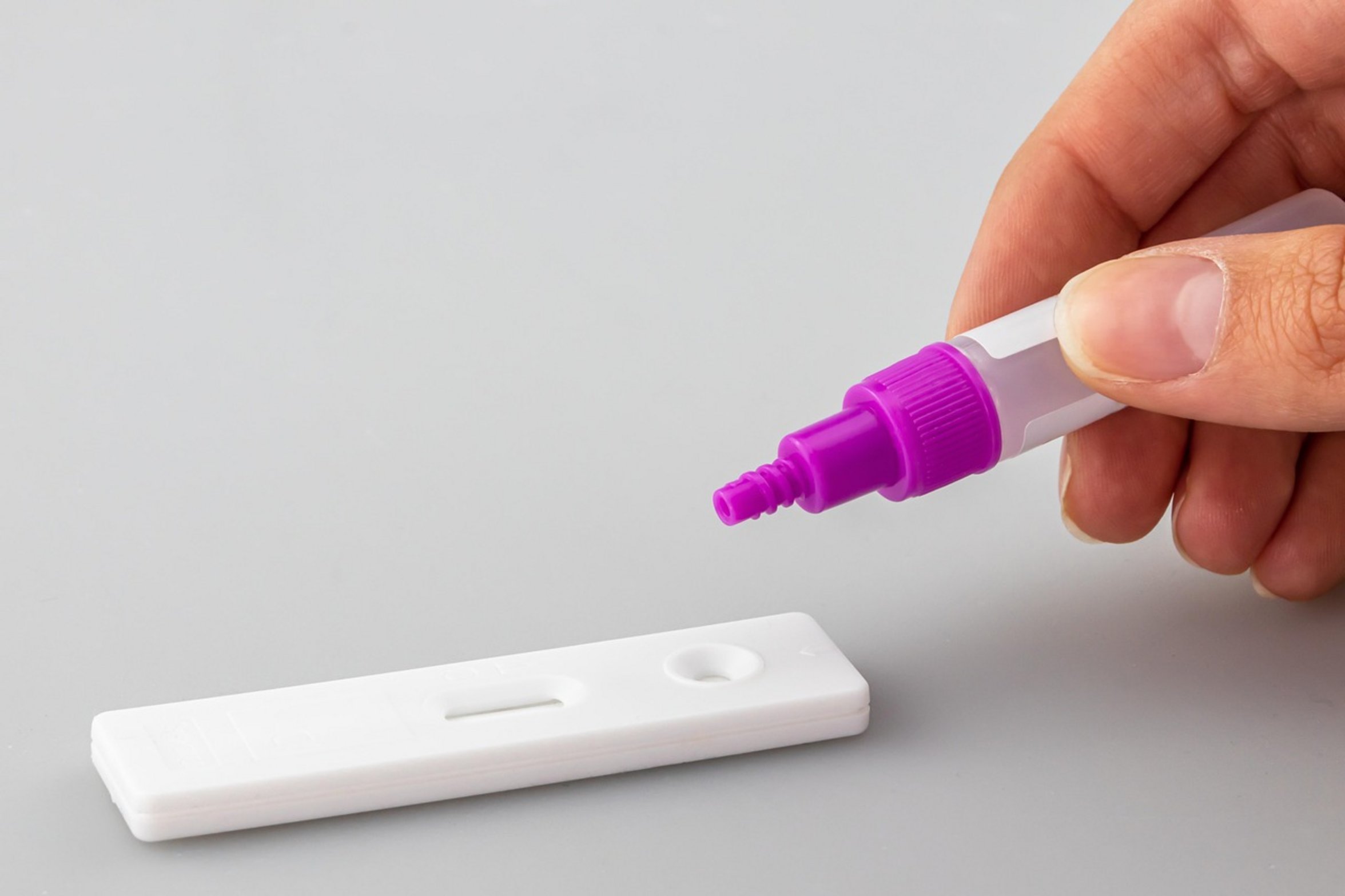
However, these usually fail to produce a strong enough bacterial colony to support the bioload. It’s also worth mentioning that “the rule” is to let the tank cycle for four to six weeks before introducing any livestock. To do this, you’ll use a liquid test kit to monitor the ammonia and nitrite levels in the tank.
When both are zero, the tank is cycled and ready for its inhabitants. If not, you risk health of your fish by skipping this step.
Transport Stress and Immunity
The other common reason for premature death is transportation and handling.
Because fish is sensitive to environment, everything that happens from the pet store to your house stresses them out, temperature changes, vibration, being kept in a plastic bag, etc. All this compromises immune system. So even if you have the best of tank parameters, a stressed-out fish are susceptible to hidden diseases. Ich (white spot disease) is a classic case of a disease that often lies dormant until the fish’s defenses weaken.
Correct Acclimation Techniques
The acclimation process is meant to lessen this shock but most people do it wrong. They open the bag up and drop it in the tank. Bam!
Now you have a pH and temperature shock on your hands. Instead, float the sealed bag in your tank for 20 minutes to get the temperatures equalized. Then begin adding small amounts of your tank water to the bag every ten minutes.
That way the fish slowly adjusts to different chemicals over time. Yes, I know. It sounds tedious.
But that little bit of time could of saved your fish from shock. You want to make transition unnoticeable to the creature.
Quarantine and Disease Prevention
The other big cause of premature death is disease.
Because many different species lives together in pet stores and are often stressed, these stores become breeding grounds for diseases. What you don’t know is what goes into the bag when you bring your fish home. The number one preventative action is quarantine all newly purchased fish in their own hospital tank for at least two but ideally up to four weeks.
That way, if the fish get sick, it won’t infect rest of the show tank. If you skip quarantining, pay attention. Look for signs of loss of appetite, rapid respiration, or clamped fins.
Catch a sick fish early so you can treat them (e.g., Seachem Stability). This saves the sick fish as well as the rest of community.
Building a Stable Ecosystem
But to avoid such losses, it’s not enough to have care about the animal, one must also have respect for the ecosystem in which it lives.
This is a living system, a complex chemical reactor. If you don’t treat the water parameters as carefully as the animals themselves, you’re running a risk. Don’t rush addition of new life.
Cycle properly. Regularly test. And the reward?
A stable tank that turns a place of potential heartbreak into a lasting source of beauty. You will get a stable, beautiful tank instead of something that can become a long-term source of heartbreak.
