
Sometimes your betta might hover near top or sink to the bottom and stay there. It’s not moving. Usually the fish move around, but right now it just sits there which makes you wonder if it is okay.
Since bettas don’t sleep the way we do. By lying down with their eyes closed, a resting fish can look like it is in trouble. Is it dead or asleep?
That’s where careful observation comes into play. If you misinterpret this signal then you’re done for. What does it all mean?
The key is that the longer you wait, the more harm you do to the fish. Turning on light to a sleeping fish means he woke up. If there is poor water or some form of disease, now is the time to treat it.
A resting fish stressed by your aggressiveness can be bad news. It’s not so much what they’re posing as but how they do it. That takes a sharp eye and time.
How To Tell If Your Fish Is Sleeping Or Dying
How to Tell if a Betta is Sleeping or Dying
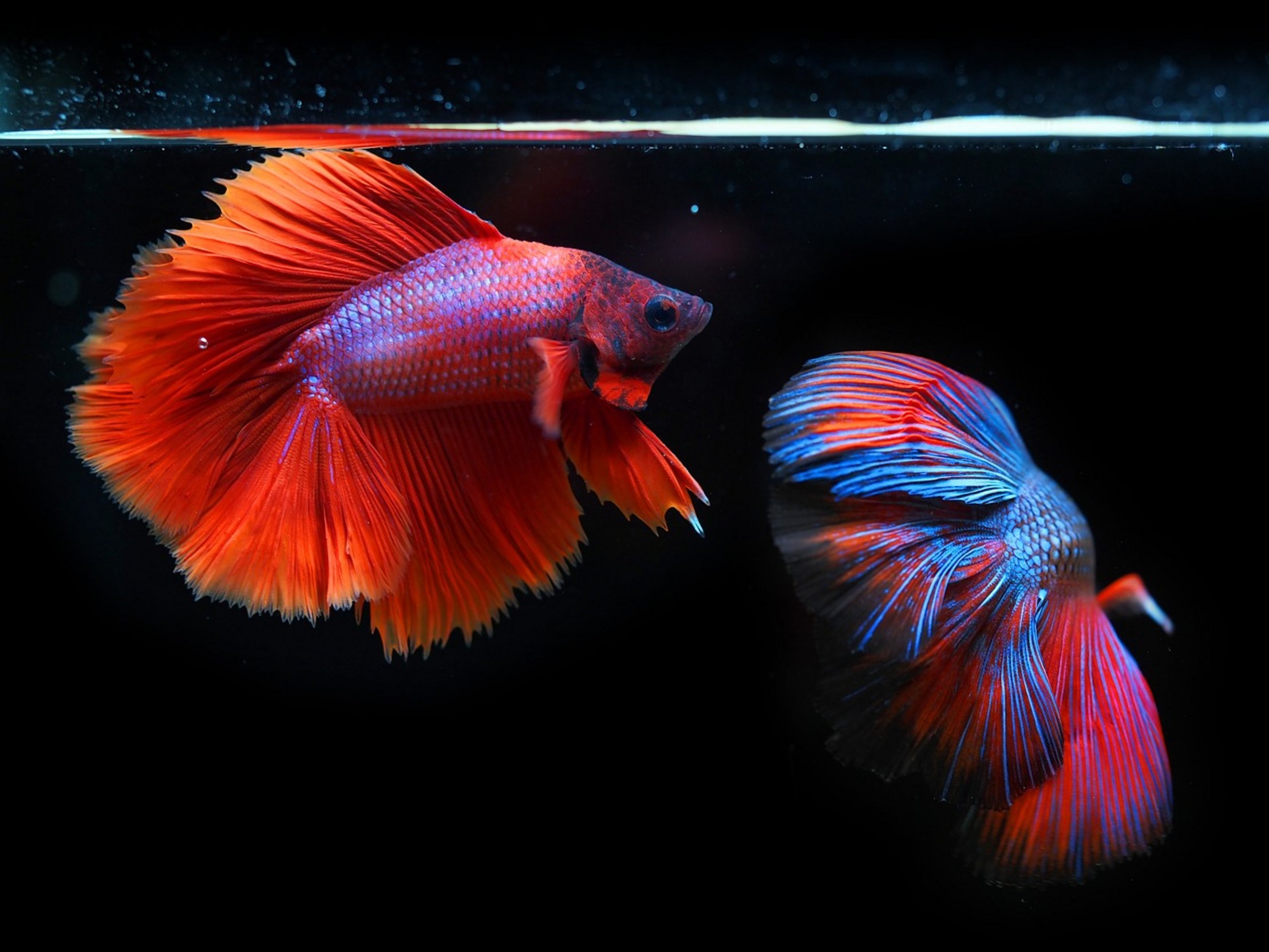
Check the gills most consistently. When a sleeping fish are breathing, it’s rhythmic and steady. Observe its gill cover (the bony flap that covers the gills).
It will open and close rhythmically. If the fish happens to be resting on the surface, you’ll notice some bubbles but again, it’s regular. Rapid breathing and/or occasional gasping is usually a sign of a dying fish.
Exposed red filaments and the permanent flaring of the gills is also common and shows severe infection/hypoxia. If the breathing stop entirely, the time has already passed. Life = regular gill movement.
Signs of Swim Bladder Disease in Bettas
The other side of the story is positioning in the water. Many bottom dwelling cichlids, such as Corydoras catfish, lie down on substrate with their fins tucked. They will do this motionless while resting amongst the decor.
That is just how they are. Betta fish and other surface dwelling fish will hover near top or hide out in plants. If a fish begin losing control over its buoyancy, it typically sinks to the bottom and cannot get back up.
Or, it will be swimming around wildly trying to reach surface to gulp some air. You’ll sometimes see them lying there upside down or tilted over. The cause is either loss of function from an organ or swim bladder issue.
Resting fish should stay in normal, stable, and steady positions.
Testing Fish Responsiveness to Stimuli

The last test is responsiveness. Gently tap the glass or lightly stir the water.
If the fish is asleep, it will notice the movement right away and dart off, perhaps flicking its tail. It understands that something is amiss and treats it as a threat. Conversely, if a fish isn’t doing well, it may not even react, or it might react slowly.
No response are a bad sign. Because stress impacts fish, don’t do this test too often. Only do it occasionally when you are unsure.
The fact that there’s a response indicates that the fish is still vital. The absence of a response indicate a serious decline.
The Role of Water Quality in Betta Health
Water quality is often overlooked.
Healthy fish can act sick when water quality isn’t good. High nitrates and ammonia spikes can make them seem sluggish. If poor water quality is causing stress and making your fish look like it’s just resting, then test your water parameters.
Clean water leads to clean thinking. If the water is nasty, fix the environment before you try to fix the fish. If you think this is the problem, test the water parameters.
If the water is bad, the fish could be worn out from the tank. Reviving the fish with meds may not be necessary; change the habitat and see if that doesn’t perk up the fish. Observation is the most effective diagnostic aid.
Using Context and Observation for Diagnosis
Know what’s normal for your fish. What does he do? Where does he go?
If it usually hides in the night and is still now, it is likely sleeping. Is it night time and he should be asleep? Is he normally active and he’s suddenly quiet?
Follow your gut, but back that up with some data. How’s his position? Are his gills good?
Does he respond? Piece all this together to get a full picture. Don’t let yourself be guided by a single indicator.
A lethargic fish with good breathing means something different than a fish with good breathing but bad buoyancy. An otherwise healthy fish who tucks in at dark means something different than a fish with regular breathing but poor buoyancy. Everything matter in context.
Knowledge is power. Knowing what is normal is peace of mind. There are times where a vet isn’t necessary.
Separating the normal rest from a medical emergency takes careful watching. Don’t assume that a still fish is an emergency. Examine it more closely.
Is he breathing? What’s his breath rate like? How’s his body positioned?
Does he react? If everything points to rest, then let him be. But if there’s something amiss, move fast.
Many times the difference between life and death is attention. Attention maintains a thriving tank.
