
That’s when it happens… The aquarium filter shut down and the lights go dark. The silence is deafening as the tank owner understand their role in ecosystem isn’t the boss anymore. It’s a guest hoping the other guests make it through the night.
A power outage can occurs at any time and transform a well-balanced tank into a quickly failing system. When it comes to fish, there’s little room for waiting for the utility company. Turning on emergency lights and feeding your fish is what most folks do.
How To Keep Fish Alive During Power Outage
The First Rule: Keep Still
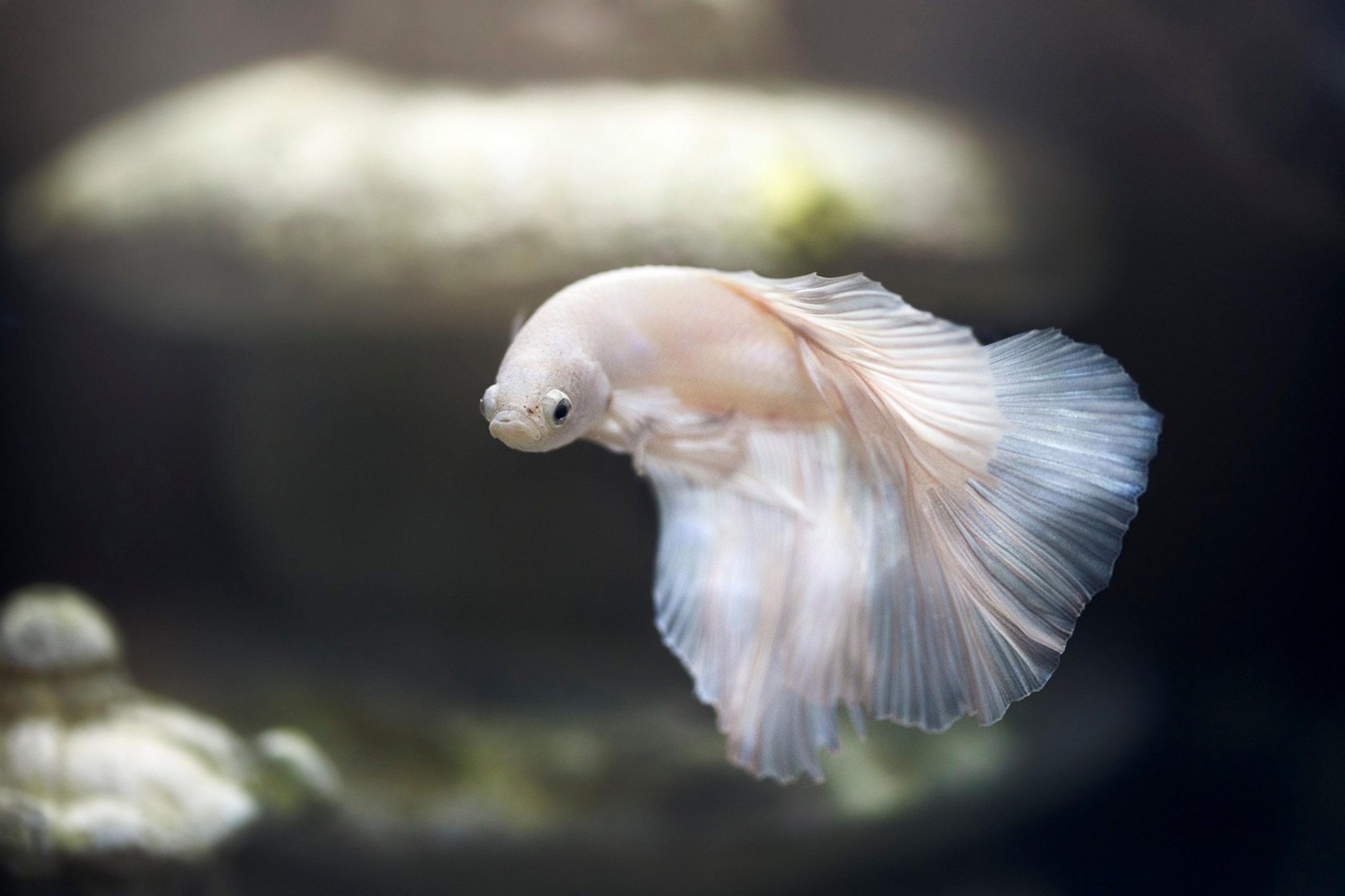
That’s the very worst thing you can do. A stressed out fish will die far quicker then a fish dying of lack of oxygen. You don’t want to keep the tank going, you want to keep the tank still.
During a storm or while the power grid is being repaired you want to keep things the same for as long as possible. I want you to treat your first impulse to “do something” as a signal to forget about it. Don’t put any air bubbles into it.
Don’t turn on heater. And don’t even open the lid to see how thing are going. Each step you take will disturb water chemistry and/or consume some energy.
It’s amazing how durable fish is when left alone. They can also hold their breath for a lot longer than we hobbyists imagine while sitting in still water. This holds true as long as temperature doesn’t swing widely up or down.
Prevent Rapid Temperature Shifts
The first enemy during an outage is HEAT. Specifically water retain heat better than air, and when heater goes out, it loses its warmth fast. Rapid temperature shift are the enemy, not really the cold.
Tropical species are especially sensitive to a quick dip in temp because their immune systems gets shocked by it. Your best defense in this situation are insulating. Wrap towels or even moving blankets around outside of the tank.
This will hold in what little heat is left in the tank. This will literal buy you 12+ hours of stability with this easy trick. The second line of defense is bacteria.
Managing Bacteria and Ammonia
Substrate and filter media contains beneficial bacteria that consume waste under normal conditions. Without power, those oxygen-using bacteria begins to die and give back what they consumed, ammonia, a clear invisible toxin. You can help prevent their demise by using insulation, manual aeration, or chemical treatments, as well as slowing things down by lowering the biological load.
Do not feed them at all. Starve your fish for a day (twenty-four hours) without fear; it’s safe for virtually all adult fish. Rotting uneaten food spike ammonia immediately.
Manual Oxygenation Techniques
Plan ahead for oxygen. How long is planned power outage? Will it last more than a day?
If it is, you would of want a backup plan. Bubbles from an air pump don’t aerate the water directly. The air pump will only raise level of surface disturbance.
Increasing water gas exchange through increased movement. Have a battery powered air pump (Aqueon or Fluval makes them)? Use that.
Manually move some water around if needed. To do this, scoop some water out of the tank into a bucket, then pour it back into the tank from above. This cause surface movement (and thus gas exchange) without any electrical help.
It sounds primitive, I know, but physics work for you here.
Chemical Treatments as Last Resort
For that reason, chemical treatments should be your last resort. To detoxify the ammonia temporaraly, you can use products such as API Stress Coat or Seachem Prime.
Don’t depend solely on these for detoxification, they only bind harmful compounds until they can be removed by changing the water. So while they’re a bridge, they aren’t a solution. Overusing them will do more damage then good.
You has to read the label carefuly since overdosing can shock your fish as well as underdosing.
Emergency Preparation and Planning
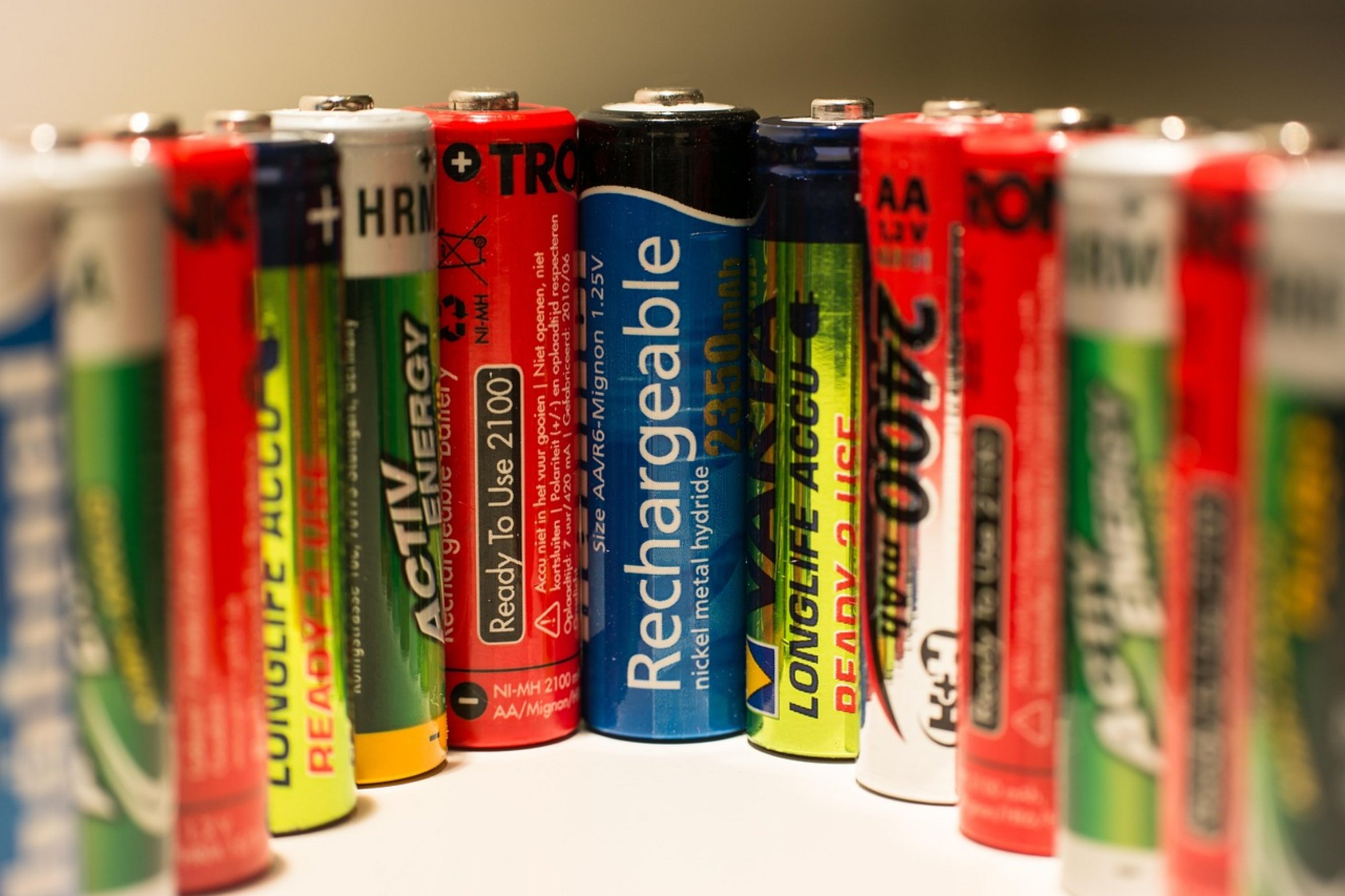
A little preparation goes a long way towards avoiding panic. Have a spare battery or at least a small generator to run critical equipment.
And practice your emergency plan ahead of time. How much water do you have in your tank? What’s the stocking density?
That will tell you roughly how long it could last during an outage. The bigger the tank, the longer it should lasts. Smaller tanks fails faster, so manage your expectations.
But it can get realy quiet and dark for a long time… and the lights might not come back on for hours. But if you can stand there with nothing but your patience as the best tool in this situation, chances are your fish will just weather the storm too. The best thing you can do in any aquarium emergency is leave things alone if they aren’t broken, keep your hands to yourself and let heat stay inside.
Just trust the biology and it will hold until sun comes up, the power returns, and we hear that familiar hum all over again. Till then, stillness is safety.
