
The unmistakable sound of water hitting bottom fills your ears, followed by instant panic. Did one of your fish just escape? Or did something fall in the filter?
Glancing down, you notice a silver flash resting on floor. There’s no way around it. Your fish leaped out of tank.
What aquarium keeper hasn’t been through this? Whether you’re a beginner or experienced hobbyist, it’s an unnerving experience. Chances are youll assume your seal broke or your lid is defective.
But more often than not, that’s not the entire picture. Why would a fish leap out of its tank? To be uncoordinated?
Nope. A fish jumps when it reacts to something it can’t suppress, an impulse. Understanding the trigger is the only way to stop it from happening again.
To do that, you must examine physical setup, the tank mates, and even the water chemistry. It’s a puzzle of physics and biology. Once solved, you save the fish and avoid doing any late night cleanups.
Reasons Fish Jump Out Of Aquariums
Stress and Poor Water Quality
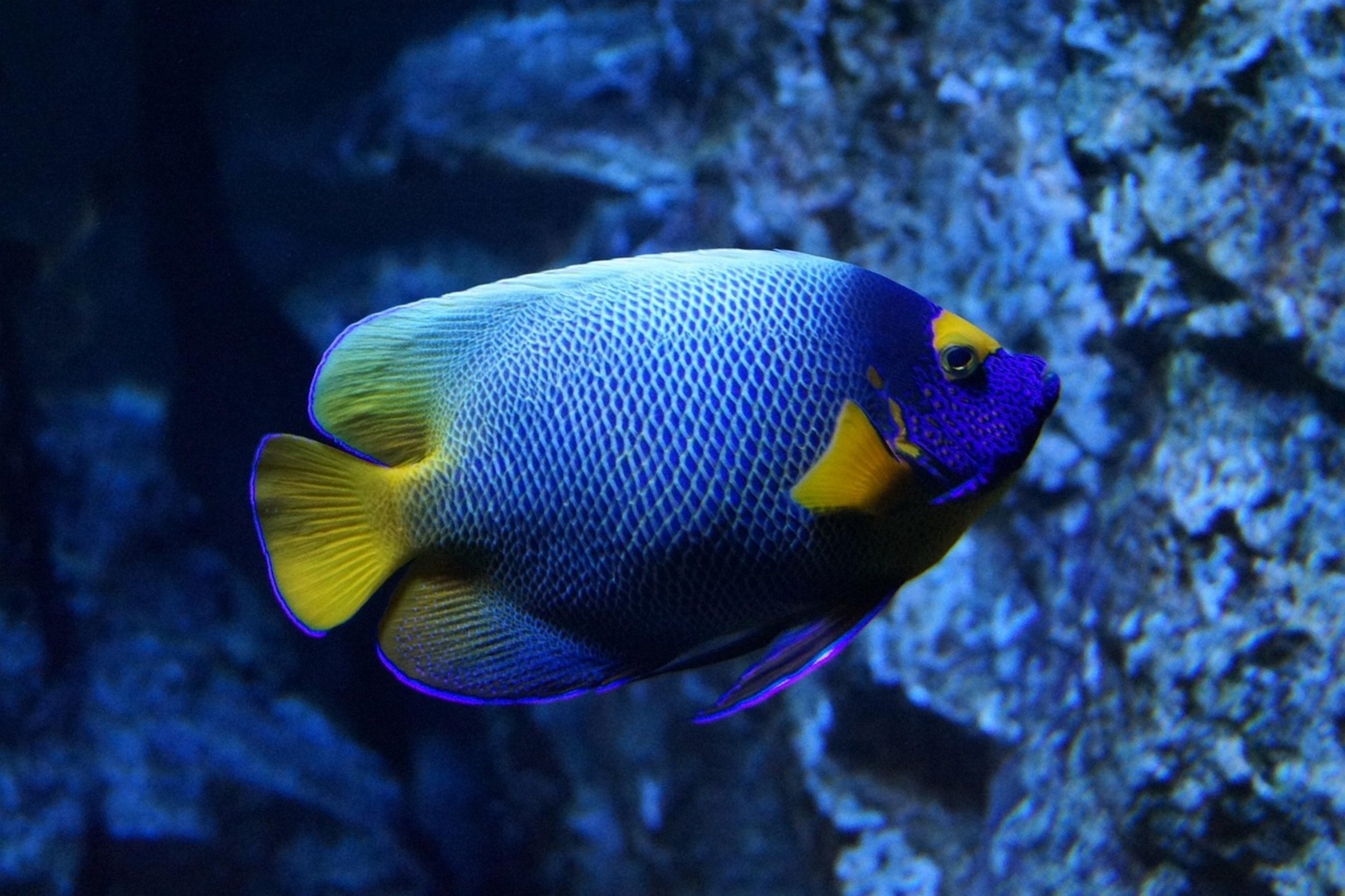
The number one reason for most jumps is stress. Fish are very sensitive animals. They pick up on changes in their environment much earlier then we do.
Typically it’s poor water quality. Whether it’s ammonia spikes, chlorine shock, or fluctuating pH levels, these issues causes them to send out a distress call via their nervous system. The fish senses something is wrong and its survival instinct takes over.
The flight response kicks in. This include jumping as an escape attempt even though the way out might be onto dry floor. Test the water, This goes without saying.
Ammonia? Don’t take guesses about that. Get some kind of water test kit.
You can use a liquid test kit like the API Freshwater Master Test Kit. Strips work fine too. It’s information.
This is not an opinion. If you have bad parameters then fix the water. A good lid won’t protect a fish in toxic water.
Tank Mates and Social Aggression
When they’re calm and the tank is clean, jumping out isn’t so easy. Tank stability is largely a social issue. That’s because aggression isn’t always about fighting, it’s about pressure.
Many fish is inherently territorial (e.g., some cichlids, bettas). Keep them in a tank that’s too small and/or mix them with species that don’t get along and they’ll live every day of their life in fight-or-flight mode. In other words, they’re constantly on guard watching out for threats.
The slightest thing… A light going on, a shadow moving past them… And they bolt.
Don’t be quick to point fingers at the gear. Do you see any chasing or fin nipping? Is there a “dominant” fish taking up all the space while another hides from him?
The weaker fish will attempt to flee if the hierarchy has been disrupted. A plant barrier can solve problem sometimes by breaking line of sight. Other times, you’ll have to rehome the bully.
That’s a tough call, but a peaceful tank is a contained tank.
Startle Responses and Environmental Triggers
The startle response is caused by movement and lighting. Fish are very visual creature with sensitive lateral lines, which pick up vibration.
Turn on a light suddenly in a dark room and it will temporary blind the fish. Take a step, make a loud noise (TV), and you send out a shock wave into the water. Even the sound of a malfunctioning pump makes the fish crazy.
Suddenly something is different. The fish jumps to find safety in wide open space. This applies to consistency with routine.
Maintain regular light schedules. If you use a timer for your lights make sure they gradually transition from dawn to dusk. Place your tank in a low traffic area (if the species is skittish).
The less stressed the fish are at their “baseline,” the less likely there will be any panic induced jumps. It is simply psychology applied to biology.
Secure Lids and Physical Barriers
Finally, there’s the physical barrier itself.
It’s not enough to have a glass cover, as many do. Lots of fish tanks arrive with cheap, flimsy plastic clips that can be pushed aside by even the lightest nudge. If you’ve got some serious jumpers, such as rainbowfish, leave several inches (three or more) between the surface of the water and the top of your tank.
A tight-fitting custom-made aquarium lid or a rigid hood would work great. A lot of people like mesh covers, but they will sag unless supported. That creates a trap where fish can push through or get stuck.
Go with solid lids instead. Make sure the lid is tight with good seals. Make sure clips are secured.
Test it each time you top off the water. This little habit saves you from a big disaster. That’s what we’re after: A boring tank.
No panic, no escapes, no drama. If you achieve physical security, social harmony, and a balance in water chemistry, the jumping stops. The fish are where they should be.
You can sit back, relax and enjoy the view. While breathing normally. It’s the kind of peace every hobbyist desires.
